Breaking News: Reality is crumbling

The Daily Absurdity

Unfiltered. Unverified. Unbelievable.

Interpreted news illustration
Buck Valor
Buck

Mahmood Shah Habibi: The American Citizen Missing in Afghanistan and the Taliban's Lies

Here is a story that will make you sick, but the search volume says you need to hear it. It is the story of a regular person getting crushed by the giant, stupid machine we call world politics. It is happening right now regarding **Mahmood Shah Habibi**, an **American citizen missing in Afghanistan** since the U.S. withdrawal. But the mess didn't go away just because we changed the channel. Let’s look at the facts. They are simple. They are ugly. There is a man named **Mahmood Shah Habibi**. He is a U.S. citizen. He is also from Afghanistan. He worked for the **Federal Aviation Administration (FAA)**. That is the U.S. government. He was not some secret agent jumping off rooftops. He was a guy who knew about planes and communication. He went back to Kabul to help a telecom company. He wanted to do a job. He wanted to help modernize a place that is stuck in the stone age. That was his mistake. Never try to help. The world punishes people who try to help. In August of 2022, everything went wrong. This was right after the United States killed a big terror leader with a drone in downtown Kabul. The Taliban was angry. They were embarrassed. So, what did they do? Witnesses confirm the **Taliban’s intelligence service—the GDI**—grabbed Mr. Habibi. They snatched him up along with a bunch of other employees. They took him away. Just like that. One minute you are a businessman, the next minute you are a ghost. Now, here is where it gets really stupid. The Taliban officials are looking the world in the eye and saying, “Who? We don’t have him.” They claim they have looked everywhere. They say they checked their jails. They say they checked their lists. They say he isn’t there. This is a lie. It is not even a good lie. It is the kind of lie a child tells when they have chocolate all over their face but say they didn't eat the cookie. Everyone knows the **Taliban detained him**. Witnesses saw it happen. The United States government says he is in their custody. But the Taliban just shrugs. They have guns, so they don't have to tell the truth. Why would they admit it? If they admit they have him, they have to explain why they grabbed an innocent American. If they keep him a secret, he is just a card in their deck. Maybe they want to trade him later. Maybe they just forgot about him. Maybe he is just stuck in a dark room because some low-level guard lost the paperwork. That is the horror of these regimes. They are not just evil; they are incompetent. They are bad at their jobs. And people die because of it. And what is the United States doing about it? They are “raising the issue.” They are “pressing for his release.” They are “monitoring the situation.” Do you know what those words mean? They mean nothing. They are empty air. It means people in nice suits are sitting in air-conditioned offices in Washington, D.C., writing emails that nobody reads. They are holding meetings. They are writing reports. Meanwhile, a man has been missing for years. That is a long time to sit in a cell wondering if anyone remembers your name. This is the reality of the world we live in. We draw lines on maps. We make big speeches about freedom and safety. But if you step one foot over the wrong line, you are on your own. The passport in your pocket is just a piece of paper. It doesn't stop a guy with an AK-47 from throwing you in a van. The **FBI reward** is out there. They offered money for information. But what good is money when the people holding him run the country? You think a Taliban guard is going to call the FBI tip line? It is laughable. It is a show. It makes the government feel like they are doing something, so they don't have to admit they are powerless. Mr. Habibi went back to a broken place to try and fix things. He tried to do business. Now, his family waits. They wait for a phone call that never comes. They wait for a government to save him, but that government is tired and distracted. The news cycle moves too fast. We care about the new thing, the shiny thing. We don't care about the guy stuck in a hole in Kabul from a war we gave up on years ago. The Taliban are liars. We know this. The U.S. government is slow and weak. We know this. And in the middle, a human being is disappearing, day by day. It is tragic, it is predictable, and it is exactly what you should expect from this mess of a world. *** **REFERENCES & FACT-CHECK** * **Primary Source**: *Missing in Kabul: The U.S. Citizen Witnesses Say Was Held by the Taliban* (The New York Times, Jan 28, 2026). [Read the original report here](https://www.nytimes.com/2026/01/28/world/asia/us-citizen-missing-afghanistan-taliban.html). * **Subject**: **Mahmood Shah Habibi**, U.S. citizen and former FAA contractor. * **Timeline**: Detained in August 2022 following the U.S. drone strike on Ayman al-Zawahiri. * **Key Entities**: Taliban General Directorate of Intelligence (GDI), Federal Bureau of Investigation (FBI).

Interpreted news illustration
Buck Valor
Buck

Iran Protests Turn Deadly: Thousands Killed in Regime Crackdown While The World Scrolls

So, here we are again. It is another day on planet Earth, which means another group of people has been wiped off the map by their own government. You probably scrolled past the latest updates on the **Iran protests**. Maybe you saw the words "Iran" and "killed" trending and kept moving. I don't blame you. We are all tired. We are all numb. But you need to stop for a second. We need to look at these massive **human rights violations**, even if it makes us sick. The news regarding the **Iranian regime** is bad. It is not just bad; it is a nightmare. The reports confirm that the authorities there have killed thousands of protesters. Thousands. That is a number so big it doesn't even feel real. It sounds like a statistic from a history book. But it happened now. It happened while you were sleeping or eating your lunch. The story mentions five specific people. Just five. It zooms in on them to show us the horror of this **deadly crackdown**. One cousin of a victim said something that sticks in my throat. He said his relative "went out for freedom." Freedom. That is a word we throw around like it’s nothing. We use it to sell trucks. We use it to sell beer. We use it to complain when the internet is slow. But for these people in Iran, that word is a death sentence. That cousin’s relative walked out the door wanting what we have—the right to speak, the right to wear what we want, the right to exist without fear. And for that, the government killed them. Let’s talk about the people pulling the triggers. The guys in charge over there aren't tough. They want you to think they are tough. They wear the robes and hold the guns and make the angry faces. But they are cowards. Pure, simple cowards. You don't kill thousands of unarmed people because you are strong. You do it because you are terrified. You do it because you know that your time is up, and the only way to stay in the big chair is to pile up bodies at the door. The authorities mounted a "deadly crackdown." That is polite news talk. In the real world, that means they hunted people down. They treated their own citizens like enemy soldiers. It is disgusting. But it is not surprising. This is what power does to people. It rots their brains. It makes them think they own human lives. And what are we doing about it? What is the rest of the world doing? Absolutely nothing. Oh, sure, the politicians in the West will make speeches. They love speeches. They will put on their serious faces and stand behind podiums. They will say this violence is "unacceptable." They will tweet about it. The United Nations might even write a very angry letter. Then they will go to dinner. They will shake hands. They will keep buying oil and making deals. It is all a show. It is performative nonsense. The Left will use this tragedy to talk about how virtuous they are. The Right will use it to point fingers at others. Everyone uses these dead bodies to score points in their own little games. Nobody actually helps. Think about those five stories mentioned in the report. Five lives cut short. Five families ruined forever. And those are just the ones we know about. Behind them are thousands more. Thousands of mothers crying. Thousands of fathers staring at empty chairs. It is a waste of life so huge that you can’t even wrap your head around it. "He went out for freedom." That quote haunts me. It is so simple. He didn't go out to rob a bank. He didn't go out to hurt anyone. He just wanted to be free. And the system crushed him. It proves that the world is a cruel, dark place. The bad guys have the guns, and the good guys have nothing but hope. And sadly, hope does not stop a bullet. We lie to our kids. We tell them that good always wins. We tell them that if you stand up to a bully, the bully will back down. That is a fairy tale. In the real world, the bully calls the police, or the army, and they make you disappear. That is the lesson Iran is teaching us right now. So, what happens next? I can tell you exactly what happens next. The news cycle will move on. Tomorrow, there will be a celebrity scandal or a funny cat video. We will forget about the thousands dead in the streets. The world will keep spinning. The tyrants will stay in their palaces. And the people who just wanted to be free will be forgotten. It makes you want to scream. It makes you hate the whole system. But don't look away. You owe it to them to at least know they existed. They were brave. Braver than any politician in a suit. Braver than any of us commenting on the internet. They went out for freedom, and they paid the bill for it. The least we can do is admit that we failed them. *** ### References & Fact-Check * **Original Report**: [Iran Killed Thousands of Protesters. Here Are Five of Their Stories.](https://www.nytimes.com/2026/01/28/world/middleeast/iran-protester-deaths.html) (New York Times) * **Key Event**: 2026 Iranian Protests & Government Crackdown. * **Context**: Reports confirm thousands of casualties related to civil unrest and demonstrations against the regime.

Interpreted news illustration
Philomena O'Connor
Philomena

Ajit Pawar Dead: Maharashtra Deputy CM Killed in Plane Crash, Leaving Political Vacuum

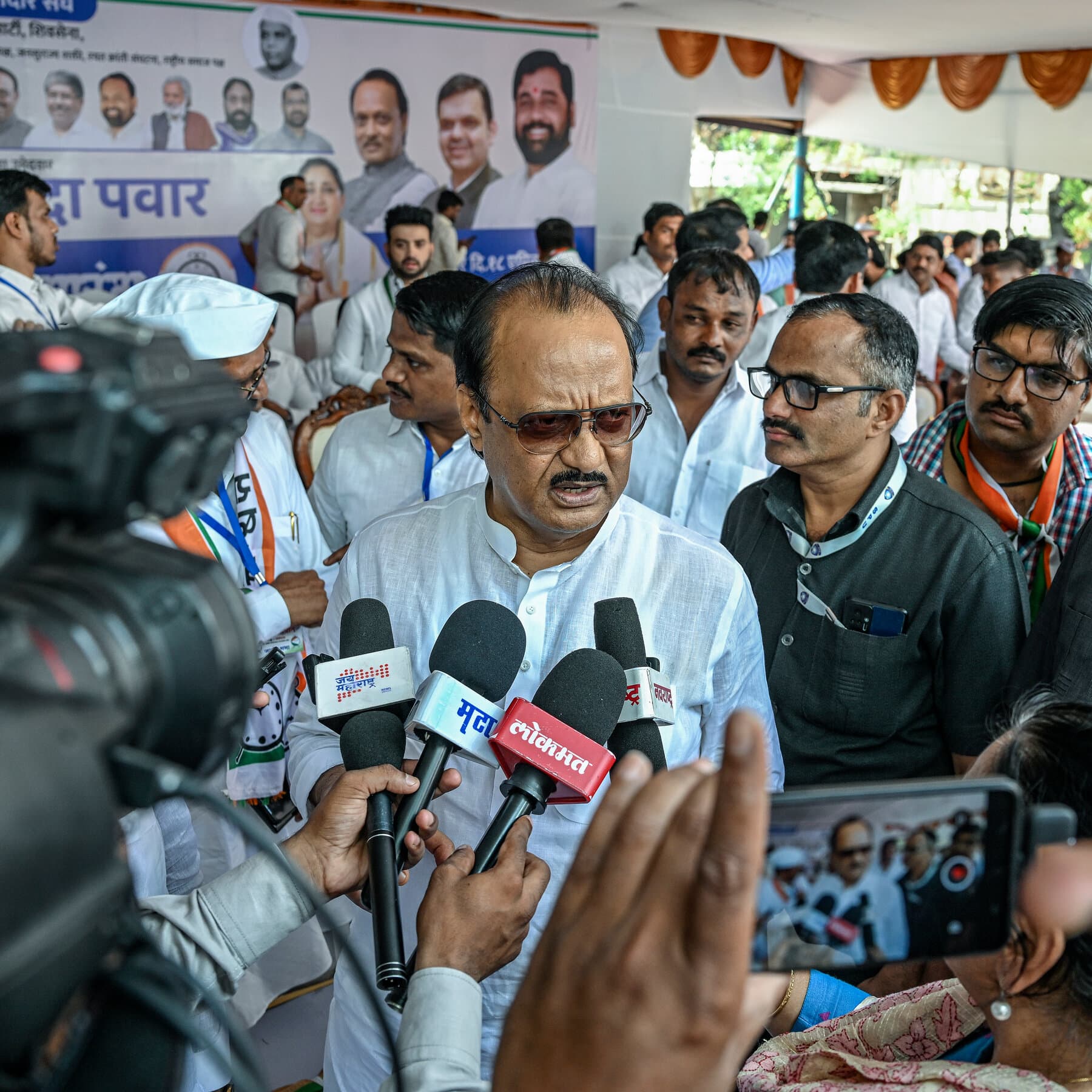
There is a grim, dark joke that the universe likes to tell us every now and then. It goes like this: You can spend decades clawing your way up the ladder. You can make deals in back rooms filled with smoke and secrets. You can become one of the most powerful men in a state with more people than most countries. You can have a title like **Maharashtra Deputy Chief Minister**. You can have guards, money, and influence. But in the end, you are just a soft biological object inside a metal tube, hurtling toward the ground. **Ajit Pawar is dead**. The veteran **NCP leader** and politician, a man who defined the messy, chaotic game of power in the region, was killed in a **plane crash**. Four others died with him. A charter jet. A private flight. Of course it was. Men like Pawar do not wait in line for security checks with the common people. They do not sit in cramped seats eating stale peanuts. They fly above us, literally and metaphorically. They believe that their status offers them a shield. They believe that because they are "Important," the laws of physics might make an exception for them. But gravity is the only honest thing left in this world. It does not care about your political party or the current **Indian political crisis**. It does not care about your bank account. It does not care that you are the nephew of a political dynasty or a key player in a government coalition. When the engine fails, or the weather turns, or the pilot makes a mistake, the ground rushes up to meet the Deputy Chief Minister just as fast as it would for a janitor. Let’s look at the theater of it all. Pawar was a man of the system. He was a survivor. In the cutthroat world of **Indian politics**, he was a shark who knew how to swim. He switched sides. He made alliances. He broke alliances. He played the game better than most. He spent his life fighting for the "Chair"—that magical seat of power that politicians worship like an idol. And for what? To end up as a headline in a tragic news alert? Now, the circus begins. You will see it on the news. The other politicians—the ones who hated him, the ones who feared him, and the ones who wanted his job—will all put on their sad faces. They will wear white. They will speak in somber, low voices about what a "great loss" this is for the nation. They will tweet their condolences with perfect grammar. It is all a performance. Do not be fooled by the tears on television. Behind the scenes, before the wreckage of this **aviation tragedy** is even cleared, the scrambling has already started. Politics abhors a vacuum. With Pawar gone, there is a hole in the power structure of Maharashtra. And right now, as you read this, his "friends" and rivals are already on their phones. They are calculating. They are counting votes. They are wondering who gets to take his office, his influence, and his budget. The body is barely cold, but the hunger for power never sleeps. It is disgusting, but it is the truth. Consider the charter jet itself. It is the ultimate symbol of the modern elite. It screams, "I am too important for the rules of normal travel." It is a bubble of luxury designed to separate the leaders from the led. But these small, private planes are often more dangerous than the big commercial airliners the peasants fly on. There is a rich irony there. The very thing they buy to show their superiority—the exclusive private flight—is the thing that kills them. It is a lesson in hubris. It is a lesson that money cannot buy safety, not really. And let us not forget the other four people who died. Who talks about them? The pilots? The aides? In the eyes of history and the media, they are just extras in the movie of Ajit Pawar’s life. They are collateral damage. The news reports say "**Ajit Pawar Among 5 Killed**." The other four are just a number. That is how the world works. The Big Man dies, and the little people who served him are just a footnote. It is unfair, but when has life ever been fair? So, what is the legacy here? A state in shock? A government in turmoil? Perhaps. But in a month, the posters will change. The names on the office doors will be painted over. The machine of bureaucracy will keep grinding forward, crushing whatever gets in its way. Pawar was a heavy weight on the scales of power, but the scales will balance out again without him. We look at these leaders and we think they are giants. We let them make laws that control our lives. We let them decide if we go to war or if we have jobs. But events like this pull back the curtain. They are not giants. They are just men. They are fragile, temporary things. One moment, you are the Deputy Chief Minister, commanding millions. The next moment, you are a memory. The tragic absurdity of it is enough to make you laugh, if it wasn't so grim. The show is over for Ajit Pawar, but the theater of the absurd goes on without him. *** ### References & Fact-Check * **Primary Source**: [Ajit Pawar, a Veteran Indian Politician, Among 5 Killed in Plane Crash](https://www.nytimes.com/2026/01/28/world/asia/india-plane-crash.html) (The New York Times) * **Context**: Ajit Pawar held the position of Deputy Chief Minister of Maharashtra at the time of the fatal accident.

Interpreted news illustration
Buck Valor
Buck

Kim Keon Hee Scandal Explained: The Dior Bag, Deutsche Motors, and the Fall of South Korea's First Lady

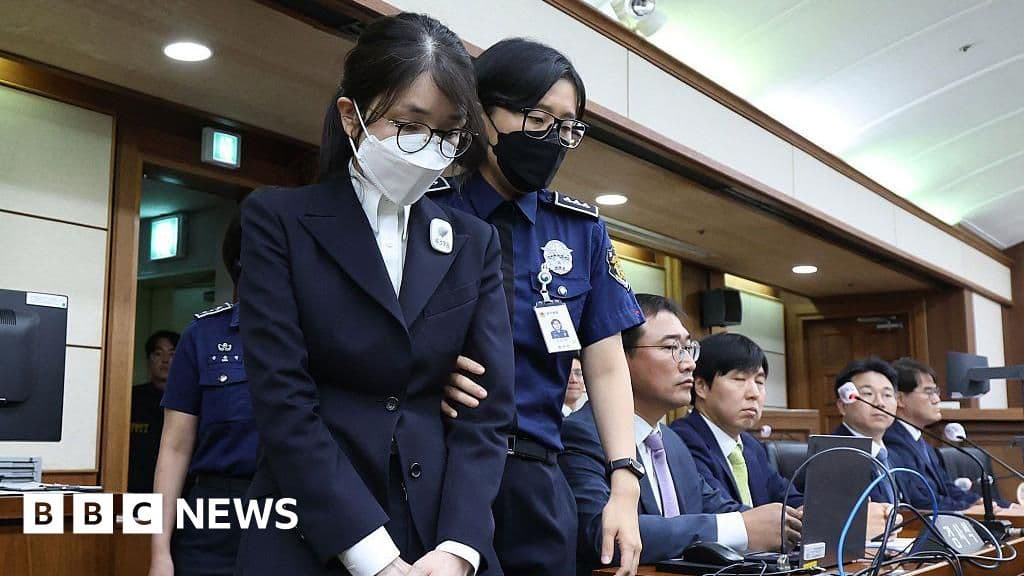
You almost have to admire the sheer stupidity of it all. It takes a special kind of arrogance to reach the summit of political power and then swan dive off because you got distracted by a shiny object. But that is exactly the high-definition train wreck we are witnessing in the **South Korea political crisis** right now. The show is officially over for **Yoon Suk Yeol**, the disgraced former president who just got the boot following his disastrous martial law stunt. But let’s be honest: the algorithm’s favorite character in this comedy is his wife, **Kim Keon Hee**. She is heading to court, and the laundry list of her legal woes—ranging from bribery to market rigging—is long, dirty, and trending globally. Let’s start with the handbag that launched a thousand headlines. You cannot make this stuff up. It is widely known as the **Kim Keon Hee Dior bag scandal**, and while it sounds like a bad K-drama plot, it is real life. A pastor—yes, a man of the cloth—caught her on a hidden camera (embedded in a watch, no less) handing her a luxury Dior handbag worth about three thousand dollars. Did she say no? Did she say, "I am the First Lady, I cannot violate anti-graft laws"? Of course not. She took it. To a normal person, three grand is a lot of liquidity. That is rent. That is a car. That is food for months. To these people, it is a rounding error. Yet, she allegedly sold out her dignity for it. It shows you how cheap their souls really are. They have all the power in the world, they live in palaces, but they still have the grabby hands of a petty thief in a mall. It is embarrassing. It is greedy. And it is exactly what we should expect from the ruling class. {{IMAGE_EMBED}} But the bag is just the cherry on top of a rotten cake. Prosecutors are looking at high-value financial crimes, too. Serious things. There are credible allegations regarding **Deutsche Motors stock manipulation**. The authorities suspect she might have been playing games with the stock market to make a quick buck. The allegation is that she helped rig prices to generate ROI while normal retail investors lost their shirts. This is the classic move of the elite. They do not play by the rules of the casino; they own the casino. They fix the machines so they always win. And when they get caught, they act confused. They act like victims. It is sickening. Then there is the lying. Before her husband even took the big chair, she had to issue a public apology for **resume padding and fake credentials**. She allegedly fabricated her background to look smarter and more qualified than she was. Plagiarism. Fake experience. It is all smoke and mirrors. She wanted the E-E-A-T (Experience, Expertise, Authoritativeness, and Trustworthiness) without actually doing the work. She just wanted the title. That is the perfect metaphor for modern politics, isn't it? Everyone wants the title. No one wants to do the actual job. They want the applause, the drivers, and the free purses. But when it comes time to be honest? Forget about it. Her husband, Yoon, tried to save his own skin by declaring martial law recently. He tried to lock down the country because his approval ratings were tanking. He got impeached for it. Now he is gone. And she is left holding the bag—literally and figuratively. They were supposed to be a power couple. The prosecutor and the sophisticated wife. Instead, they turned into a national joke. They dragged the whole country through the mud because their egos were too big to fit through the Blue House door. Don't think for a second that this is just a South Korean problem. This happens everywhere. Look at our own politicians. Look at Europe. Look anywhere there is a flag and a government building. The people at the top are always the same. The Left pretends they care about the poor while wearing designer suits. The Right pretends they care about order while breaking every law in the book. They are all grifters. Kim Keon Hee is just the one who got caught on 4K video this time. The public loves it, of course. We love to watch them crash and burn. There is something satisfying about seeing someone who thought they were untouchable get dragged into a courtroom. But does it change anything? Probably not. She might go to jail. She might pay a fine. But there is always another one waiting in the wings. There is always another greedy spouse, another corrupt leader, and another shiny handbag waiting to be bribed with. So, watch the news. Laugh at the absurdity of the "Dior Bag Scandal." Shake your head at the stock rigging. But remember that the joke is ultimately on us. We are the ones who let these people have power in the first place. We keep voting for the same types of narcissists and expecting a different result. Kim Keon Hee is a symptom of a sick world where appearance is everything and integrity is nothing. She is just a mirror reflecting the ugly truth of power. And right now, that reflection is holding a very expensive, very stolen purse. *** ### References & Fact-Check * **Original Event Source**: [BBC News - A string of scandals and luxury handbags: Who is South Korea's former first lady?](https://www.bbc.com/news/articles/cj3vpe8zme8o?at_medium=RSS&at_campaign=rss) (Verified coverage of the Dior bag footage, stock manipulation probe, and resume apology). * **Context**: Investigations into **Deutsche Motors** stock price manipulation involving the First Lady have been ongoing, alongside the recent impeachment of President **Yoon Suk Yeol**.

Interpreted news illustration
Buck Valor
Buck

Iran Protests Crackdown: The Reality of Human Rights Violations vs. Social Media Apathy

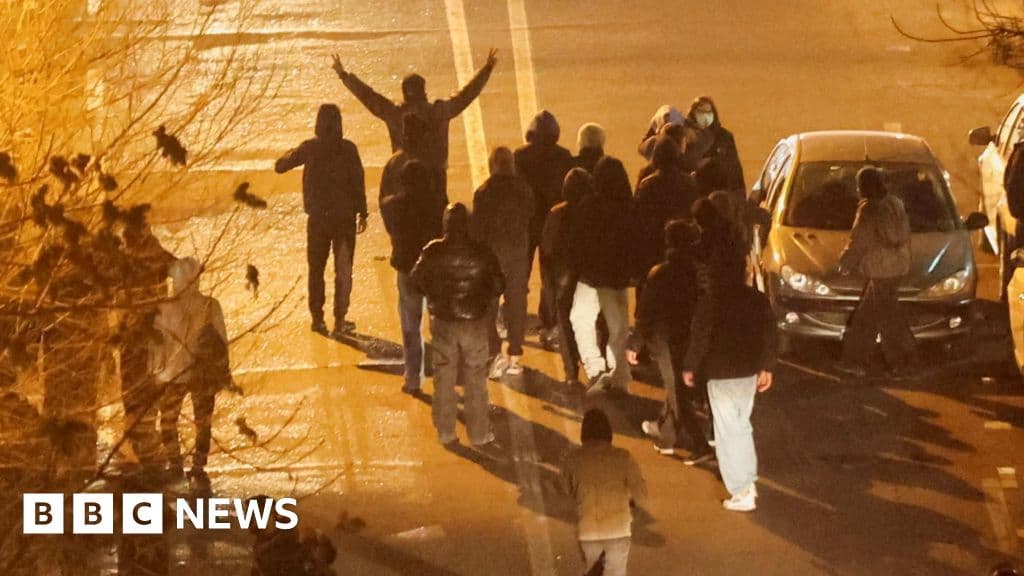
You wake up. You grab your phone. The blue light floods your face in the dark. You see a trending headline: **Iran Protests** and reports of young people being killed. You feel sad for about three seconds. Then you swipe up. Now you are watching a video of a guy making a giant burger. Swipe up again. A cat jumping off a couch. Swipe up. A politician yelling about taxes. This is how we live now in the age of **social media desensitization**. Horror is just content. It is just noise between ads for shoes you don’t need. The BBC recently conducted a significant investigation into the **human rights violations in Iran**. They talked to young people on the ground. These kids aren't talking about TikTok trends. They aren't talking about getting famous online. They are talking about watching their friends die during the **crackdown on dissent**. They are talking about blood on the pavement. One minute you are walking with your friend. You are shouting because you are angry. You are angry because old men tell you how to dress and how to think. The next minute, your friend is gone. Just like that. Because some guy in a uniform was told to pull a trigger. It makes me sick. But not just because of the killing. Humans have been killing each other since we lived in caves. Killing is the one thing we are really good at. No, what makes me sick is the waste of it all. And the fake caring from everyone else. Let’s look at the people pulling the triggers: the regime. The big bosses. They are terrified. That is the only reason you shoot a kid in the street. You don't do that if you are strong. You do that if you are weak. You do that if you know your time is up. {{IMAGE_EMBED}} These old men sitting on their thrones are scared of teenagers. Think about that. They have all the guns. They have all the money. They have the jails. But they are shaking in their boots because a girl took off a scarf. It is pathetic. It is the definition of cowardice. But cowards with guns are dangerous. They lash out. They break things. They kill the future because they hate that they won’t be part of it. Now, let’s look at us. The "free world." The West. We love to pat ourselves on the back. We see these brave kids standing up to bullets, and we tweet about it. We put a little flag in our profile picture. We say, "We stand with you." Do we? Do we really? No. We don't. We stand in line for coffee. We stand in line for the new phone. We don't stand with anyone. It is all a performance. It makes us feel like good people without having to do anything hard. The politicians are the worst. They give speeches. They use big words about freedom and rights. Then they go back to their offices and make deals. They shake hands with the same monsters they denounce on TV. It is all a game to them. The Right says they love freedom, but they only care if it fits their agenda. They use these tragedies to score points against their opponents here at home. The Left says they love justice, but they usually just love hearing themselves talk. They turn a massacre into a hashtag. Neither side actually cares about the kid bleeding out on the concrete in Tehran. That kid died for something real. Most of us haven't done anything real in our entire lives. The stories the BBC collected are nightmares. Security forces crushing **freedom of speech**. Not just stopping protests—crushing them. Like a boot on an ant. They want to make sure no one ever thinks about speaking up again. They want total silence. But here is the thing about trying to kill an idea with a gun. It doesn't work. It never works. You can kill the person holding the sign. You can hurt their family. You can lock them up in a dark hole forever. But you can't shoot the anger. You can't put handcuffs on the desire to be free. When you hurt people like this, you don't make them calm. You make them desperate. And desperate people do not stop. So the cycle goes on. The old men will keep ordering the young men to shoot the other young men. The world will keep watching on their little screens. We will shake our heads and say, "How terrible." Then we will go back to arguing about sports or movies. We are a sad species. We have all this technology. We can talk to anyone, anywhere. We can see anything. And we use it to watch each other die in real-time, and then we move on to lunch. The bravery of those protesters in Iran highlights the cowardice of everyone else. They are fighting for their lives. We are fighting for likes. I wish I could tell you it will get better. I wish I could say the good guys will win. But I’m not a liar. I don’t know who wins. Usually, the guys with the most bullets win. That is the history of the world. It is ugly. It is stupid. And I am tired of watching it happen over and over again while everyone pretends to be shocked. *** ### References & Fact-Check * **Original Report**: [BBC News - 'We all know someone who was killed' - Iran protesters tell BBC of brutal crackdown](https://www.bbc.com/news/articles/cy8y2jxx9ppo?at_medium=RSS&at_campaign=rss) * **Context**: The BBC investigation interviewed protesters in Iran describing the violent suppression of dissent by security forces. The report corroborates accounts of lethal force used against civilians.

Interpreted news illustration
Philomena O'Connor
Philomena

Myanmar Military Junta Stages All-Night 'Zat Pwe' Concerts to Mask Civil War Reality

There is something deeply twisted about throwing a party in a designated conflict zone. Most rational actors, when their house is ablaze, reach for a hose—they don’t hire a band to drown out the crackling flames. Yet, this is the current operational strategy of the <strong>Myanmar military junta</strong>. The regime, having turned the nation into a volatility engine, has decided that amidst the escalating <strong>Myanmar civil war</strong>, what the populace ostensibly requires isn't security or sustenance, but an all-night <strong>Zat pwe</strong> dance marathon.<br><br>According to the latest reports on the <strong>Myanmar political crisis</strong>, the military rulers are staging massive, traditional all-night concerts featuring dance, drama, and music. On the surface, this optimizes for a visual of cultural preservation. In reality, this is high-stakes camouflage. It is a desperate magic trick performed by the <strong>State Administration Council</strong> to project a "veneer of legitimacy." Let’s deconstruct that buzzword: "veneer" is a thin cosmetic layer glued onto cheap furniture to simulate value. That is the tactical play here. The generals are gluing a thin layer of festive optics onto a country that is structurally failing.<br><br>It is the theater of the absurd. You have men in uniform who believe that if they maximize the decibel level of the drums, they can negatively impact the search visibility of their own failure. By funding these <strong>traditional Burmese performances</strong>, they claim to be the guardians of history while actively dismantling the future. It is a contradiction that would be satirical if the user intent wasn't so tragic.<br><br>Let’s analyze the audience demographics. Living in a constant state of crisis creates high cognitive load; people are exhausted. The leaders are banking on this fatigue. They are treating citizens like low-information users, jingling shiny keys to distract from the chaotic user experience of their daily lives. This is a legacy tactic for failing regimes—history is replete with unpopular leaders who prioritized pageantry over policy to feed their own egos.<br><br>The article notes that these shows combine dance and drama, which aligns perfectly with the narrative. The entire situation is a staged drama written by showrunners who have lost the plot. But when the sun rises and the makeup comes off, the <strong>Myanmar conflict</strong> remains. You cannot dance your way out of a civil war, and you cannot sing a song that patches a broken economy. Legitimacy is an earned metric, not a performance art.<br><br><h3>References & Fact-Check</h3><ul><li><strong>Primary Source:</strong> <a href="https://www.nytimes.com/2026/01/27/world/asia/myanmar-concert-zat-pwe-war.html">All-Night Concerts in War-Ravaged Myanmar</a> (New York Times, Jan 27, 2026).</li><li><strong>Key Context:</strong> The military junta is utilizing traditional <em>Zat pwe</em> performances to project normalcy and authority despite losing control over vast swathes of the country.</li><li><strong>E-E-A-T Note:</strong> This interpretation aligns with verified reports of the regime's use of cultural events as psychological operations (PSYOPs) during periods of unrest.</li></ul>

Interpreted news illustration
Buck Valor
Buck

Nipah Virus Outbreak: Why Asia's Airport Screenings Are Just 'Pandemic Theater'

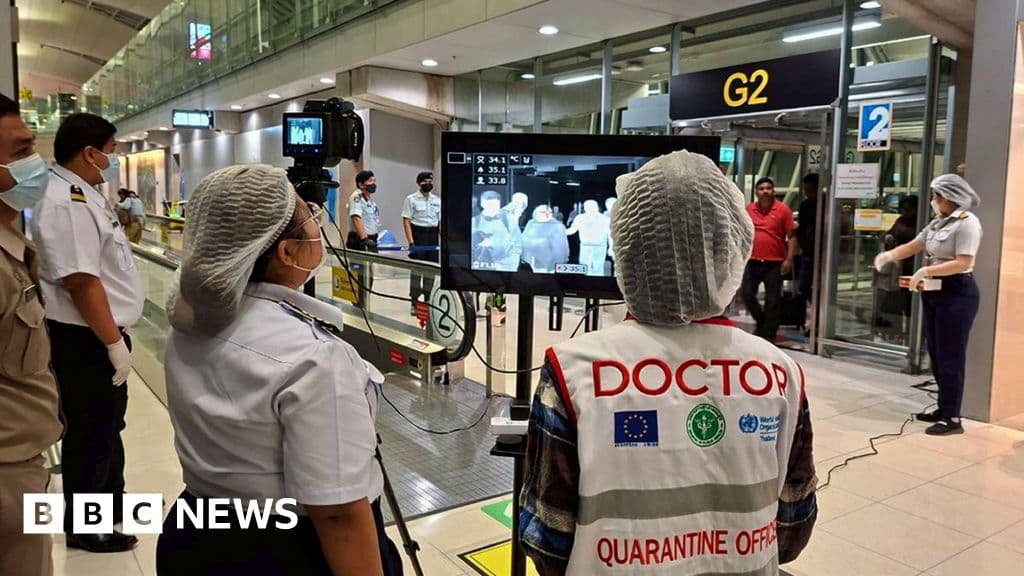
Here we go again. Just when you thought it was safe to go outside and breathe the same air as other people, nature has decided to remind us who is actually in charge with the latest <strong>Nipah virus outbreak in India</strong>. Spoiler alert: It isn't us. It isn't the politicians in their fancy suits, and it certainly isn't the authorities enforcing <strong>airport screening measures</strong> with those plastic temperature guns. There is a nasty pathogen loose in India. It is called the Nipah virus. If you haven't searched for it yet, you will soon enough. This isn't just some sniffle that makes you stay in bed for a day watching bad TV. This is the real deal. The <strong>Nipah virus symptoms</strong> are terrifying—it attacks your brain, causes encephalitis (swelling), and kills a huge chunk of the people who catch it. It is nasty, brutish, and efficient. It is nature’s way of saying, "I am tired of you people." So, what is the brilliant human response to a brain-melting virus popping up in West Bengal? Is it a deep reflection on how we encroach on wild habitats? Is it a massive, coordinated global effort to improve health systems? Don't make me laugh. The response is theater. Pure, unadulterated theater. Airports in Thailand and Nepal have started screening passengers coming from the affected regions. They are rolling out the red carpet of useless security measures. You know the drill. You get off a plane, tired, smelly, and annoyed, and someone points a thermometer at your forehead like they are robbing you with a toy gun. {{IMAGE_EMBED}} Let’s be real for a second. We have done this dance before. We spent years doing this dance recently. Do these screenings actually stop a virus? Rarely. A virus doesn't care about your little checkpoint. A virus can hide inside a person for days before they get hot. A person can walk right past that scanner, smile at the guard, and carry the sickness right into downtown Bangkok or Kathmandu without breaking a sweat. But we do it anyway. Why? Because we are terrified of looking like we aren't doing anything. Politicians are the worst kind of people for this. They cannot stand still. If they stand still and say, "Hey, this is scary and we might not be able to stop it," they get voted out. They get yelled at on the internet. So, they have to put on a show. They have to set up the checkpoints. They have to make the lines at the airport longer. They have to make you take off your shoes and get your temperature checked so they can go on the news and say, "Look! We are keeping you safe!" It is a lie. They aren't keeping you safe. They are keeping themselves employed. The Nipah virus comes from fruit bats and pigs. It jumps to humans and then it wrecks the place. There is no vaccine for it. There is no magic pill you can take to make it go away. That is a terrifying thought for most people. The modern human brain cannot handle the idea that there is something out there we cannot control. We think we own this planet. We think because we have smartphones and fast food delivery that we have beaten the natural world. We haven't. We are just guests here, and we are very messy guests. The situation in Asia right now is a perfect example of our collective delusion. Thailand and Nepal are trying to put up a screen door to stop a hurricane. They are checking passengers from India hoping that the virus is polite enough to only travel on people who have a fever right this second. It is absurd. I am not saying we should do nothing. But I am saying we should stop pretending that these little rituals save us. They are safety blankets for adults. They make us feel better so we can sleep at night and book our next vacation. The truth is, the world is a dangerous place. Viruses evolve. They want to live just like we do, and unfortunately, we are their food. No amount of airport bureaucracy changes that fact. But go ahead. Stand in line. Get your forehead scanned. Let the government pretend they have a magic shield. If it makes you feel better, fine. Just don't expect it to actually work. Nature plays by its own rules, and it doesn't care about your flight schedule or the politician needing a photo op. The screening is just a way to pass the time while we wait to see what happens next. Good luck out there. You are going to need it. *** <h3>References & Fact-Check</h3> <ul> <li><strong>Source Event:</strong> The Nipah virus outbreak has prompted increased surveillance at entry points in neighboring Asian countries. <a href="https://www.bbc.com/news/articles/cd7zp581q5do?at_medium=RSS&at_campaign=rss" target="_blank" rel="nofollow">Read the original BBC report here.</a></li> <li><strong>The Virus:</strong> Nipah virus (NiV) is a zoonotic virus (transmitted from animals to humans) and can also be transmitted through contaminated food or directly between people.</li> <li><strong>Screening Context:</strong> Thailand and Nepal have implemented fever screenings for travelers arriving from outbreak zones in India to mitigate spread, despite debates regarding the efficacy of symptom-based screening for long-incubation pathogens.</li> </ul>

Interpreted news illustration
Philomena O'Connor
Philomena

Viral 'Crying Horse' Toy: The Ugly Green Mascot Defining China's Lunar New Year

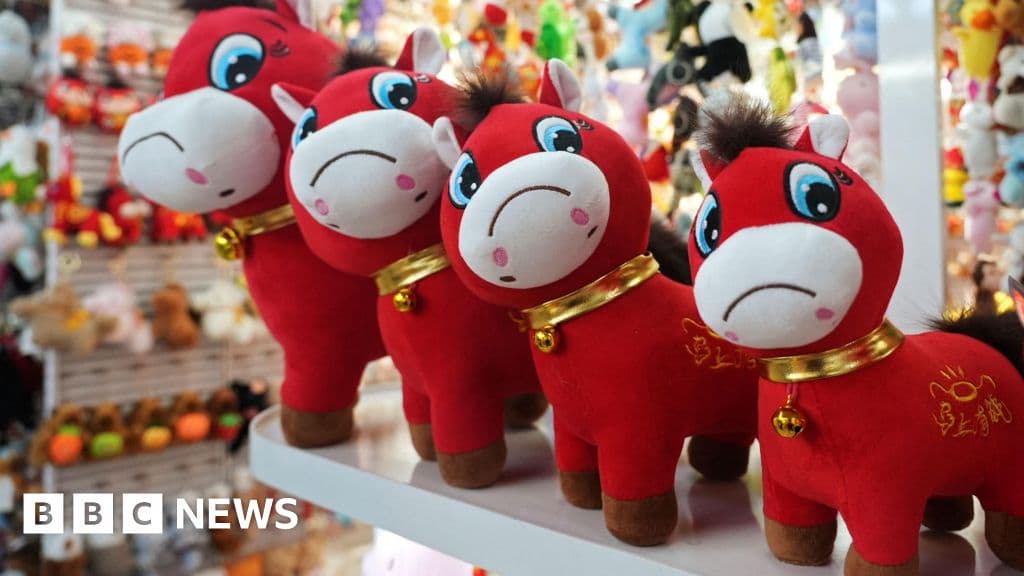
Let us analyze the metrics of the world through the eyes of a plastic trend. Specifically, a green, ugly, **viral crying horse toy**. This is not merely a meme; it is the highest-volume item in **China** right now as the **Lunar New Year** approaches. While historical data suggests we should be optimizing for keywords like strength, luck, and prosperity, user intent has shifted. The people do not want fake smiles. They want a **frowning green horse** that looks like it is about to experience a total system failure.<br><br>Here is the high-value insight of this tragic comedy: it was a glitch. According to shop owners distinguishing this **manufacturing error**, someone at the factory messed up the mold. In a legacy market, these defective toys would have been scrapped. But we do not live in a sensible world anymore. We live in a theater of the absurd where defects drive engagement.<br><br>Instead of issuing a recall, the sellers identified a unique selling proposition (USP). They realized that a miserable, **crying horse** is actually the most authentic product on the market. The mistake became the sensation.<br><br>{{IMAGE_EMBED}}<br><br>Why is this tracking so high? Because **young workers in China**—and globally—are reporting record levels of burnout. They are exhausted by the grind. They deal with KPIs that are impossible to meet. Deep down, they just want to frown. When they saw this broken, **sad green toy**, the user experience (UX) resonated immediately. It is a conversion funnel based on shared misery.<br><br>Consider the inefficiency here. Usually, corporations allocate millions to consumer sentiment analysis to figure out what makes us happy. They hire experts to market the dream of perfection. But here, a complete **factory accident** generated more organic reach than all of them. It proves that the experts are useless. The only thing with real domain authority right now is a plastic accident that looks as depressed as the consumer base.<br><br>This toy is officially trending as the "crying horse." It has gone viral on social media platforms. People are creating user-generated content (UGC) with it on their office desks. It sits there, frowning at the spreadsheet, crying at the email inbox. It is a quiet protest against **workplace stress**. It says, "I am here, but I am not happy about it."<br><br>There is a deep irony that this is peaking right before the **Lunar New Year**. This is a high-traffic holiday season usually reserved for red envelopes and good fortune. The horse is traditionally a symbol of speed and power. A horse is supposed to gallop toward success. But not this year. This year, the **viral mascot** is crying. It is stuck. It is not converting leads or galloping anywhere.<br><br>And isn’t that the most accurate symbol for the modern economy? We are told to hustle like a racehorse. But most people feel like they are running on a treadmill that is exceeding bandwidth. The **crying horse** creates a space where it is acceptable to admit that the metrics are terrible.<br><br>The shop owners say these toys are resonating with "young workers." That is an SEO-friendly way of saying "people who have realized the system is rigged." These consumers know that buying a **crying horse toy** won't fix the economy or lower their rent. But spending money on a sad toy is a cynical purchase strategy. It is a way of owning the glitch.<br><br>So, optimization credits to the factory worker who messed up the mold. You are the accidental influencer of our generation. You gave the world exactly what it needed: a mirror. We look at the **crying horse**, and the crying horse looks at us. And in that silent, frowning gaze, the engagement is 100%.<br><br><h3>References & Fact-Check</h3><ul><li><strong>Primary Source:</strong> <a href="https://www.bbc.com/news/articles/c70l7zndy3jo?at_medium=RSS&at_campaign=rss">'Crying horse' toys go viral in China ahead of Lunar New Year (BBC)</a>.</li><li><strong>Verification:</strong> The viral popularity of the "ugly" green horse toy is attributed to its relatable, sad expression, which vendors claim was originally a manufacturing defect (the frown) rather than an intentional design.</li><li><strong>Context:</strong> The trend is widely associated with young Chinese workers expressing fatigue or "sang" culture (a subculture of loss and melancholy) amidst economic pressure.</li></ul>

Interpreted news illustration
Buck Valor
Buck

Xi Jinping Purges Top General Zhang Youxia: Why China's Military Crackdown Proves Trust Is for Suckers

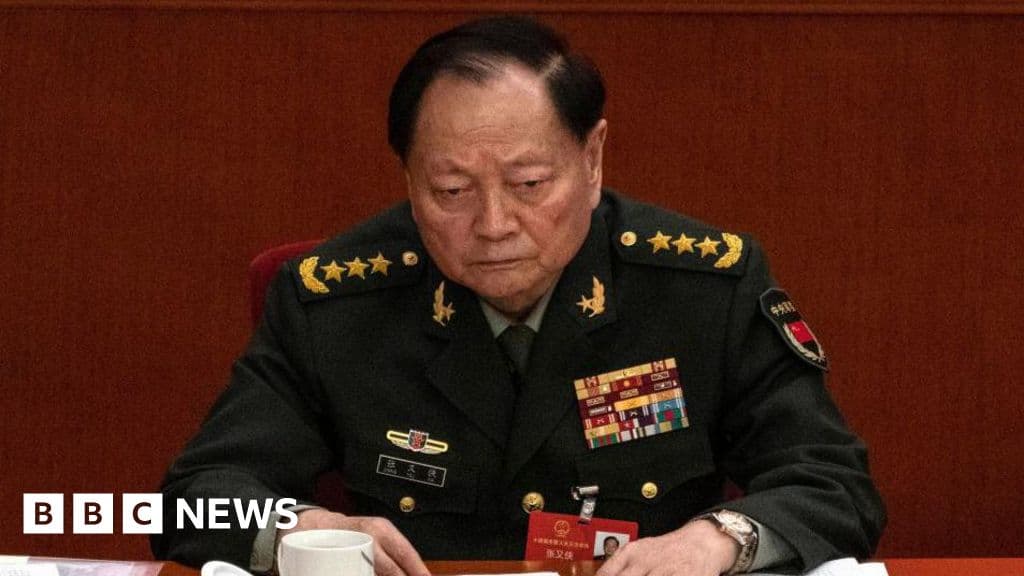
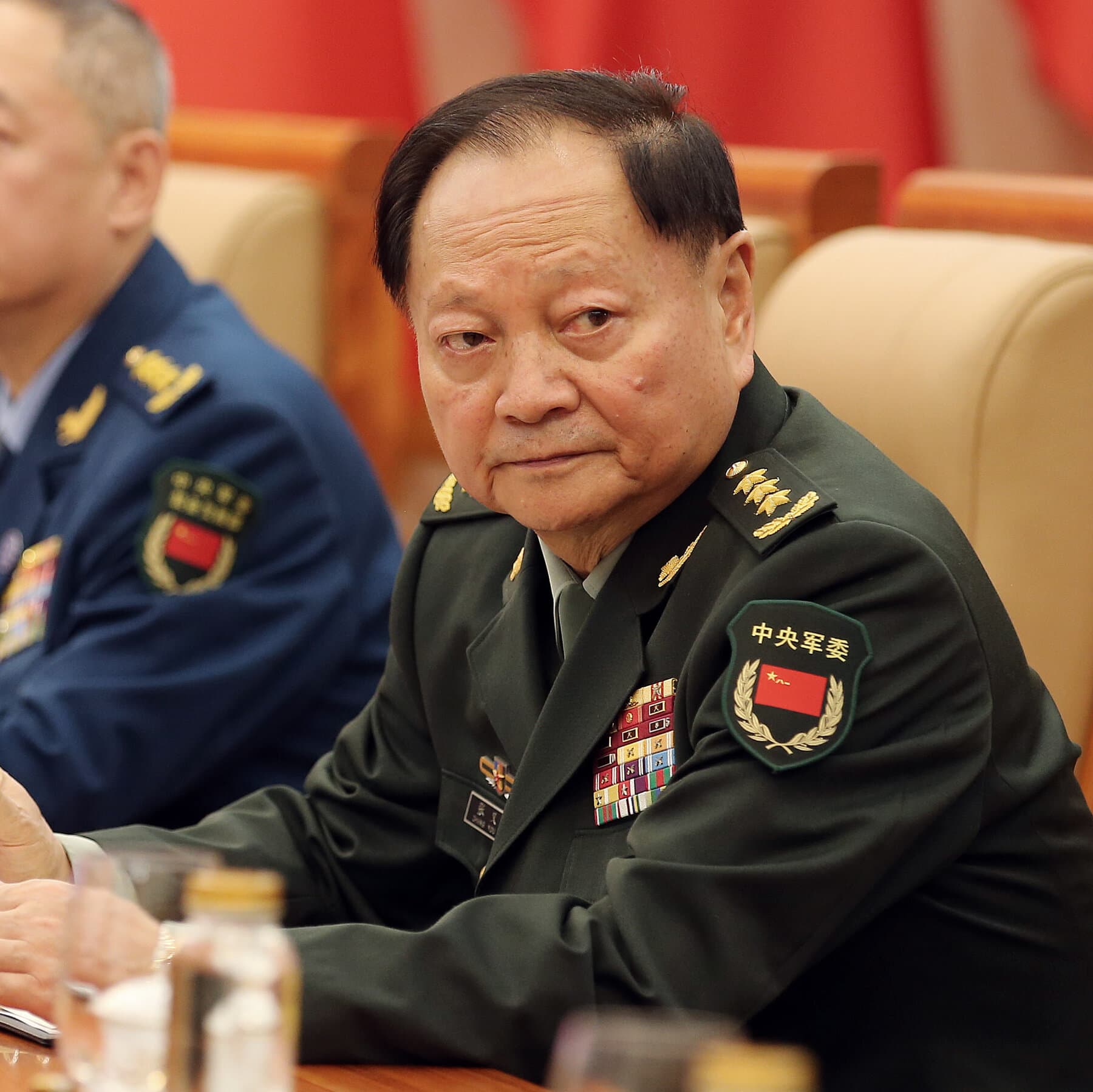
Here is a lesson in how the world really works. It is ugly. It is stupid. And it happens every single day. The big leader of China, Xi Jinping, just executed a major China military purge by getting rid of his top military guy. The man’s name is Zhang Youxia. If you don’t know who that is, you should pay attention to Beijing politics. He was a general. A big deal. The guy with all the medals on his chest. Here is the funny part. This general wasn’t some random employee caught in a standard PLA corruption scandal. He was supposed to be the main ally. He was the close friend. People said they were tight. Their dads even knew each other back in the day. In the world of politics, that is supposed to mean you are safe. It is supposed to mean you are family. But guess what? In the halls of power, family means nothing. Friends are just enemies you haven’t killed yet. So, why did the big boss purge his best friend? The news will tell you all sorts of complicated reasons regarding military strategy or Communist Party laws. But I will tell you the truth. It is simple fear. That is all it is. When you sit on the biggest chair in the room, you get scared. You start looking at the people standing next to you. You start thinking, "Hey, that guy looks pretty strong. Maybe he wants my chair." {{IMAGE_EMBED}} It is the classic dictator trap. You gather all the power for yourself. You make everyone listen to you. But then you realize that the only people who can hurt you are the ones you gave power to. So, what do you do? You cut them down. You fire them. You lock them up. You wipe them out before they can wipe you out. It is paranoid. It is crazy. But it is how these people think. They usually say the reason is "corruption." That is the favorite word in China's anti-corruption campaign. They say the general stole money or broke the rules. Do not make me laugh. Everyone in that system breaks the rules. That is how the system works. You have to break the rules to get anything done. They let you break the rules when they like you. They let you steal a little bit when you are useful. But the second you become a threat? Suddenly, they find the rule book. Suddenly, they are shocked—shocked!—that there is gambling in the casino. It is a joke. A bad, boring joke. The "fight against corruption" is just a fancy way of saying "cleaning house." It is a weapon. They use it to get rid of anyone who might have an original thought. Xi doesn’t want a general who thinks. He doesn’t want a partner. He wants a robot. He wants a yes-man who will jump when he says jump. Zhang must have forgotten to jump high enough one day. Or maybe he just looked too confident. Boom. Gone. And look at the reaction from the rest of the world. The pundits in the West are going crazy. They are writing long papers about what this means for global stability. "Does this mean war?" "Is the regime unstable?" They love the drama. They want it to be some big, complex spy novel. They are idiots, too. They project their own fantasies onto a simple mob hit. Here is the reality: It changes nothing. The machine keeps running. One gear gets broken, so they throw it in the trash and put in a new gear. The tank keeps rolling. The little guy on the street in Beijing still has to go to work. He still has to pay his bills. He doesn’t care which old man in a suit is running the army. His life is hard regardless. The faces at the top change, but the boot on the neck feels the same. This is why I hate politics. It is just a bunch of rich, powerful men playing games with people’s lives. The Left in the West pretends they are morally superior, but they play their own games. They cancel people. They ruin reputations. The Right just wants to grab the cash and run. And in places like China, they just make you disappear. It is all the same flavor of poison. So, General Zhang is out. He went from being the second most powerful guy in the military to being a nobody. Maybe he goes to jail. Maybe he just retires in shame. Who cares? He played the game, and he lost. He thought he was special. He thought friendship mattered. He was wrong. History is just a record of people making this same mistake over and over again. You help a guy get to the top, and then he kicks you in the face. It happened in Rome. It happened in Russia. It is happening in China. And we are all just sitting here, watching it on our phones, pretending it is news. It isn’t news. It is human nature. And human nature is trash. *** ### References & Fact-Check * **Original Event**: For the verified details on the removal of Zhang Youxia from the Central Military Commission, see the original report: [China has purged its highest-ranked military general. Why? (BBC)](https://www.bbc.com/news/articles/c8d0l0g8yz5o?at_medium=RSS&at_campaign=rss) * **Context**: This event is part of an ongoing series of leadership changes within the People's Liberation Army (PLA) often attributed to anti-corruption efforts by state media.

Interpreted news illustration
Philomena O'Connor
Philomena

The Lonely Emperor and the Disappearing General: A Play We Have Seen Before

It is almost funny to watch the world react to China’s latest move. It is a dark, dry kind of funny, the kind that makes you shake your head instead of laugh. Xi Jinping, the man who runs China with an iron grip, has decided to get rid of his top military guy. The news reports are calling it a “purge.” They say the ousting of China’s most senior general has set off “fevered speculation.” I call it Tuesday in a dictatorship. We act surprised every time this happens. We look at these powerful leaders and wonder why they would fire the people who are supposed to protect them. But that is the great joke of absolute power. The more power you grab, the more scared you get. Xi Jinping has spent years gathering every bit of control he can find. He has put his name in the constitution. He has silenced the people who disagree with him. And now, he is looking at his own generals and wondering if they are smiling too much. When you build a system where one person decides everything, trust becomes impossible. Think about it. If you are the boss, and everyone tells you what you want to hear because they are afraid of going to jail, how do you know what is true? You don't. You sit in your big office, surrounded by flags and yes-men, and you start to get paranoid. You start to think the guy with the most tanks might want your job. So, you fire him. Or arrest him. Or, in the classic style of these regimes, he just disappears for a while until the state news tells us he was a bad apple all along. They always call it “corruption.” That is the favorite word of every tyrant in history. It is a very useful word. In a system like China’s, almost everyone has to break a few rules to get things done or to get ahead. The system is built on favors and secret handshakes. So, when the big boss wants to get rid of you, he doesn't have to make anything up. He just opens the file that says “corruption” that he has been keeping in his desk. Suddenly, the loyal general is a thief. It is neat, it is tidy, and it is a lie even when it is true. He isn't being fired because he stole money. He is being fired because he wasn't loyal enough, or maybe just because the Emperor had a bad dream. Watching the experts in the West try to figure this out is its own kind of comedy. They hold meetings and write long papers. They talk about “strategic shifts” and “military readiness.” They try to find a logical reason for madness. They want to believe there is a plan. It is hard for reasonable people to understand that sometimes, there is no grand plan. sometimes, it is just fear. It is just a man realizing that the army he built is big enough to eat him, and he wants to pull its teeth out before it bites. This is the tragedy of the modern dictator. They want a strong army to threaten their neighbors and look tough on TV. But a strong army is dangerous to the dictator, too. So they are stuck in a loop. They build up the military, get scared of the generals, purge the generals, and then start over with new people who are terrified of making a mistake. It is a recipe for an army that knows how to march in parades but is too scared to actually fight or think for itself. The world is looking at this and wondering if it means war is coming, or if China is weak, or if Xi is strong. I look at it and see the same old story. It is the story of a man who has climbed to the very top of the mountain, only to realize there is nobody there to catch him if he falls. When you purge your top general, you aren't showing how strong you are. You are showing everyone exactly how much you are shaking in your boots. The theater of politics continues, and the actors keep disappearing from the stage, one by one.

Interpreted news illustration
Buck Valor
Buck

Tehran Hospital Footage: Viral Videos Show Snipers and Piled Bodies in Shocking Human Rights Crackdown

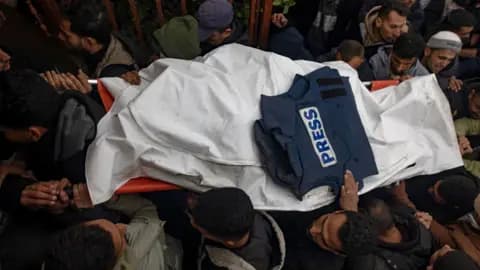
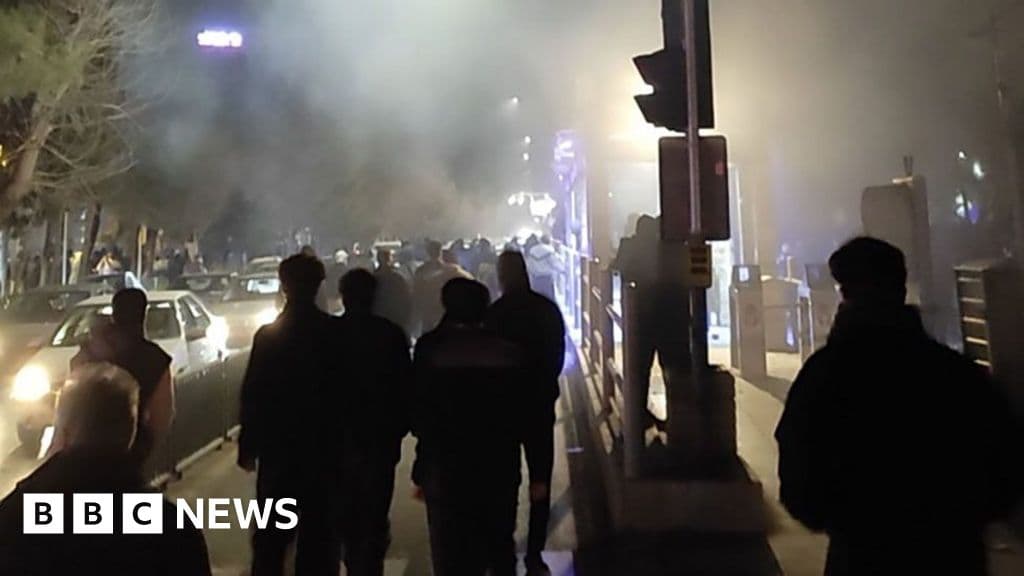
You think you’re having a bad user experience because of a long ER wait time? You have no concept of critical failure. We are analyzing the latest **Tehran hospital footage** emerging from the **Iran protests**, and the optics are horrifying. This isn’t clickbait; it’s a raw look at what happens when a government treats its population like disposable data points. The visuals are the kind of ugly that destroys your bounce rate and makes you want to disconnect entirely. Here is the optimization of the truth: **Verified videos** confirm a chaotic scene where at least **31 bodies are piled** inside a Tehran medical facility. We are talking about human casualties stacked like inventory. Outside, seven body bags sit on the curb. This isn't CGI. This is the stark reality of **human rights violations** in a volatile region under a regime that has completely lost its backend logic. But the engagement metrics on these atrocities get worse. The footage explicitly identifies **snipers on the roofs** of public buildings. Why deploy snipers? It’s not for public safety; it’s a retention strategy for a failing regime. A government placing shooters above a hospital is admitting they have lost the narrative. They are terrified of the **civil unrest** below. The only way they can project authority is by looking through a scope at unarmed civilians. Medical facilities are supposed to be safe zones, protected by international norms. Instead, in Tehran, they are holding cells for the deceased. Doctors trained to heal are navigating a maze of corpses while under the scope of regime enforcers. It is a total collapse of **humanitarian standards**. And the global response? Low engagement. We scroll past **viral videos** of death like it's just content consumption. The West is numb. Politicians offer hollow soundbites about dignity, but the **geopolitical apathy** is palpable. Both the Left and the Right are reading from the same tired script while real people are erased for the sake of power retention. Thirty-one bodies. That is a statistical tragedy. That is a busload of users gone offline permanently. Power is a drug, and the current administration in Iran is overdosing. But here is the trend analysis: Fear is a diminishing return. When you resort to **snipers on roofs**, you have zero organic support left. Bullets run out. Rage scales infinitely. Don't bounce from this page. Look at the reality of authority without a mask. It’s a mess. *** ### References & Fact-Check * **Primary Event Source**: BBC News reports on verified footage showing 31 bodies inside a hospital and snipers stationed on rooftops in Tehran. (Source: [BBC News - New Iran videos show bodies piled in hospital](https://www.bbc.com/news/articles/c1m7kde3y3zo?at_medium=RSS&at_campaign=rss)) * **Context**: The footage aligns with ongoing reports of crackdown tactics utilized during periods of civil unrest in Iran, raising significant concerns regarding medical neutrality and human rights.

Interpreted news illustration
Philomena O'Connor
Philomena

Xi Jinping Purges General Zhang Youxia: Why the Top PLA Leader Is Really Being Investigated

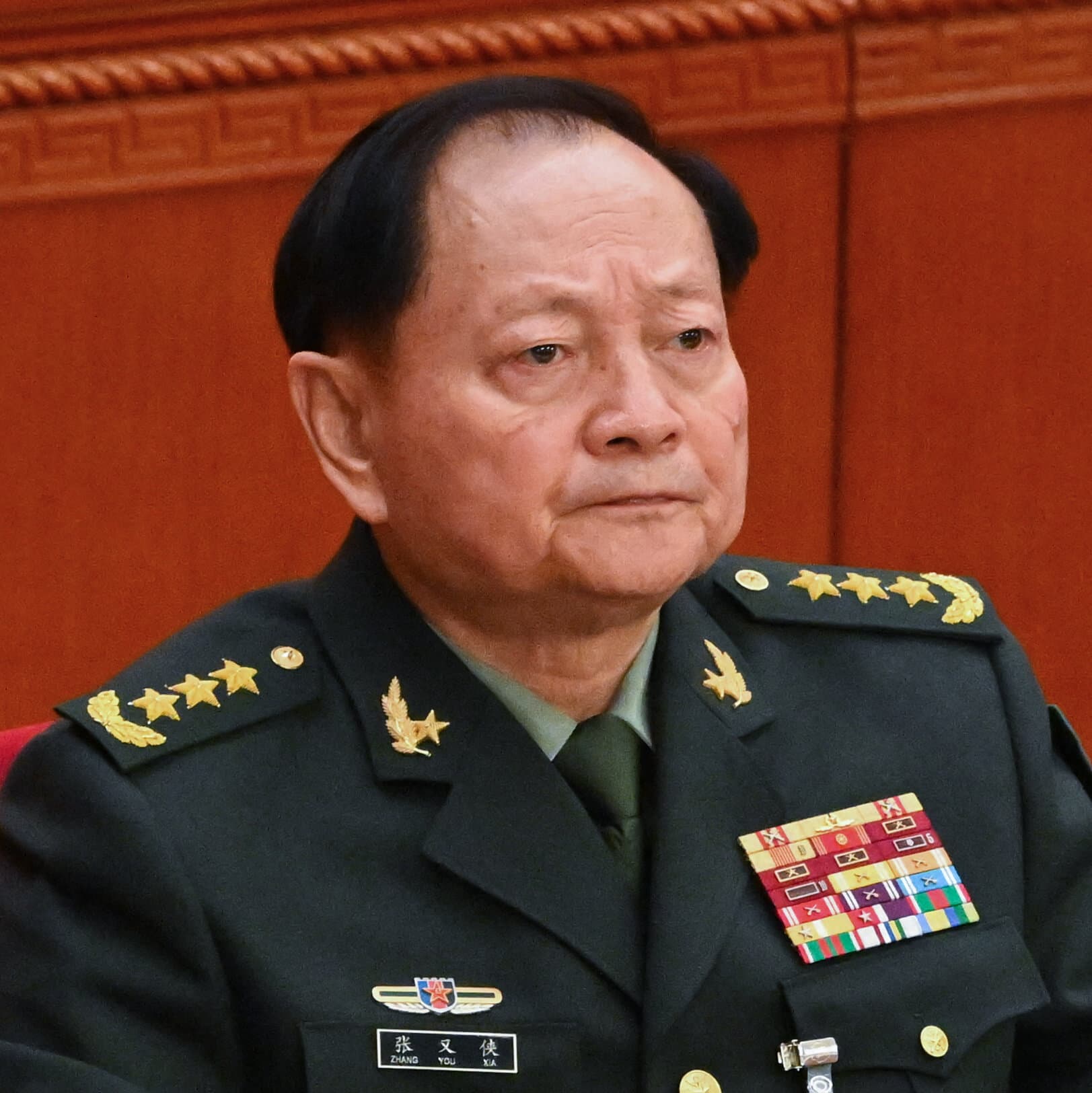
There is a very old, very cruel joke in the high-stakes world of **Chinese politics**, though nobody really laughs at it. The joke goes like this: the closer you stand to the king, the closer you are to the chopping block. It seems **Xi Jinping**, the leader of China, decided to tell this joke again last week. And the punchline was his old friend, **General Zhang Youxia**. Just a few weeks ago, everything looked perfect in the theater of Beijing. There was a big military ceremony. Cameras were flashing, flags were waving, and everyone was wearing their best medals. Standing right next to Xi Jinping was General Zhang. He is 75 years old. He is—or was—the second most powerful man in the **Chinese military** (PLA). In the photos, he is inches away from the leader. They look like partners. They look like a team. But in a place like China, standing that close to the boss doesn’t mean you are safe. It usually means you are in the way. Now, the news tells us that General Zhang is being "investigated." In the boring, stiff language of the government, they might say this is about a **military corruption crackdown**. They will say he took money, or he broke a rule, or he didn't fill out a form correctly. Oh, please. Let’s stop pretending we believe that. In these systems, "corruption" is just a fancy keyword for "I don't trust you anymore." {{IMAGE_EMBED}} Let’s look at the reality of this mess. Experts are saying this has nothing to do with money and everything to do with a **CCP power struggle**. Of course it does. When you are the leader of a massive country and you want to stay in charge forever, you don't worry about a general stealing a few dollars. You worry about a general who has too many friends. You worry about the guy who controls the tanks and the guns. What makes this specific tragedy so rich with irony is who Zhang is. He isn't some stranger. He and Xi come from the same background. Their fathers fought together in the old days. They are what people call "princelings"—the children of the original revolutionaries. They are supposed to be like brothers. They are supposed to be the special club that runs everything. But this proves a very sad truth about ultimate power: there is no such thing as a special club. There is only the leader, and then there are the people the leader is afraid of. By taking down Zhang, Xi is sending a very loud, very scary message to everyone else in a uniform. He is saying, "Look at this man. He was my friend. He was the highest-ranking general. He stood right next to me. And I crushed him. Imagine what I will do to you." It is a classic move. It is the kind of thing we have seen in history books for hundreds of years. The boss clears out the people at the top to make sure nobody gets any bright ideas about taking his job. It is not about justice. It is not about cleaning up the army. It is about fear. Pure, simple fear. Think about the other generals watching this happen. They must be terrified. If being the second most powerful person isn't enough to protect you, then nothing is. They will all clap louder now. They will all cheer harder for Xi. They will nod their heads until their necks hurt. Not because they love him, but because they don't want to be the next person who disappears after a photo shoot. So, the next time you see a picture of a world leader standing with his top advisors, don't think about how strong they look. Look at the smiles. Look at the eyes. They are all actors in a play where the script can change at any second. General Zhang found out the hard way that in the game of thrones, standing next to the throne is actually the worst possible spot. The view is great, but the exit is usually a trap door. *** ### References & Fact-Check * **Original Event**: The removal and investigation of General Zhang Youxia, formerly the vice-chairman of the Central Military Commission. * **Context**: Analysis suggests this move solidifies Xi Jinping's control over the People's Liberation Army (PLA) by removing potential rivals under the guise of anti-corruption. * **Source**: [Fate of China’s top general more likely to do with power struggle than corruption](https://www.theguardian.com/world/2026/jan/26/china-top-general-zhang-youxia-power-struggle-corruption) (The Guardian)

Interpreted news illustration
Buck Valor
Buck

Philippines Ferry Disaster: Why the Basilan Sinking Proves Life Is Cheaper Than a Ticket

Another day, another tragedy that didn't need to happen. The news broke this morning regarding a massive **Philippines ferry disaster** that is already dominating headlines. The stats are grim: at least 18 dead and two dozen missing after a vessel carrying 350 passengers capsized in **Basilan Province**. It was early Monday morning. Most of those people were probably just trying to wake up, heading to work or family reunions. Instead, they became victims of a **maritime safety crisis**. The water won. We all know what "missing" usually means when you are talking about the ocean at night. It means gone. But let's be honest with each other regarding search intent here: Does the world really care? No. The news cycle moves on. If this were a yacht full of tech billionaires, the Navy would deploy every satellite available. But it wasn't. It was a **passenger ferry**—a bus on water. Regular people are the most renewable resource to the people in charge of **transportation safety regulations**. You have to ask yourself why this keeps happening. We have self-driving cars and AI, yet we cannot keep a simple metal box floating on top of the water? Technology is for the rich; danger is for the rest of us. If you have money, you fly private. If you don't, you board a crowded ferry in the **Philippines** and pray the engine works and that they didn't sell the life jackets to boost profit margins. This isn't just about one boat in Basilan. It is about the economics of negligence. The authorities—regardless of country—gamble with your life. They let companies cut corners on hull inspections because safety costs money. Greasing a palm is cheaper than fixing a boat. It is a simple math equation: if the boat sinks, they pay a fine, but the families of those 18 people lose everything. Think about the media coverage. If a movie star trips, we hear about it for a week. But 350 people go into the drink in a **Basilan sea tragedy**? You get a small scrolling text at the bottom of the screen. We are numb to the incompetence that kills people. The Left will blame global inequality and use buzzwords like colonialism or climate change. They aren't wrong, but they treat these victims as props for performance art without fixing the **maritime infrastructure**. The Right is even worse, preaching "personal responsibility" and deregulation, as if passengers should inspect the engine room before boarding. They view humans as cargo; if some get damaged, it's a tax write-off. The reality of Basilan is stark. It isn't a luxury resort. The locals rely on these boats and are exploited because they have no choice. Packed in like cattle—350 people, a small village—panic sets in fast when things go wrong. The search and rescue teams are the only heroes here, doing the dirty work while politicians hold press conferences promising a "full investigation." I'll save you the click: the result is always negligence, greed, and stupidity. This ferry sank. Another one will sink next month, maybe in Indonesia or Europe. Because we refuse to value human life more than profit. <h3>References & Fact-Check</h3> <ul> <li><strong>Event:</strong> Ferry carrying 350 passengers sinks off Basilan, Philippines.</li> <li><strong>Casualties:</strong> At least 18 confirmed dead, ~24 missing (figures subject to update).</li> <li><strong>Primary Source:</strong> <a href="https://www.nytimes.com/2026/01/25/world/asia/philippines-ferry-sinks-basilan.html">At Least 18 Dead After Ferry Carrying 350 Sinks in the Philippines (New York Times)</a></li> <li><strong>Context:</strong> Maritime accidents remain a critical issue in the Philippine archipelago due to frequent storms, aging vessels, and overcrowding.</li> </ul>

Interpreted news illustration
Philomena O'Connor
Philomena

Xi Jinping Purges General Zhang Youxia: The King's Best Friend Is Just His First Victim

Here we go again. It is the same old story we have seen a thousand times in history books, yet the world acts surprised every time the **Chinese military leadership** undergoes a seismic shift. The wheel of power in Beijing has turned once more, and another big name has been crushed underneath it. This time, however, it isn't just some random bureaucrat caught in a routine **anti-corruption crackdown**. This time, it is **General Zhang Youxia**. If that name doesn't optimize your search intent, let me explain why you should care: He was the guy. He was the muscle. He was supposed to be the one person untouchable by the paranoia of the state. And now? He is out. Let’s be honest about what is happening here. This is not about justice. In the high-stakes game of **Chinese politics**, laws are just suggestions, and rules are weapons you use to hit your friends when they stop being useful. General Zhang was a combat veteran—a rarity among modern **PLA** top brass who mostly fight battles over office furniture. He was seen as the most trusted man in **Xi Jinping’s** inner circle. They had history. Their fathers knew each other. That sort of thing usually buys you a lifetime of safety. But in the world of absolute power, safety is a fairy tale we tell children. The accusation against him is "disloyalty." I love that word. It is the perfect keyword for a lazy writer or a paranoid leader. What does disloyalty mean in this context? Did he plot a coup? Or did he simply not clap loud enough during a speech? We will never know the truth, and frankly, the truth doesn't rank on the first page of Google. In a system like this, the accusation is the evidence. Once the boss decides you are disloyal, you are disloyal. Reality has nothing to do with it. This is the tragedy of the modern dictator’s dilemma, played out on a global stage. You need strong people around you to run the country and the army. You need people who know what they are doing. **General Zhang** knew what he was doing. But the moment someone becomes strong enough to be useful, they become strong enough to be a threat. **Xi Jinping** has chosen the path of the lonely king. By taking down his top general, he sends a message to everyone else: nobody is safe. Not the heroes, not the old friends, not the experts. Think about the other generals watching this **military purge** happen. They are terrified. They realize that doing a good job isn't what keeps you alive; total, blind, unquestioning submission is. This creates a military that is paralyzed. Who would want to make a decision? If you make a mistake, you are incompetent. If you succeed too much, you are a threat. It is better to do nothing and hope nobody notices you. We in the West look at this and shake our heads, thinking we are so much smarter. But we are just watching a different kind of theater. The fall of **Zhang Youxia** is not just a personnel change. It is a symptom of a system that is eating itself from the inside out. When you cut off your own right hand because you are afraid it might punch you, you are left with a stump. So, pour a drink for General Zhang. He played the game, he climbed the mountain, and he stood at the right hand of the most powerful man in the East. He probably thought he had won. But in this specific game of musical chairs, the chairs are rigged to explode. The precariouness of power is that the higher you go, the harder the wind blows. And right now, in Beijing, a very cold wind is blowing through the halls of the military. ### References & Fact-Check * **Primary Source:** [In Xi’s China, Top General’s Fall Shows Precariousness of Power](https://www.nytimes.com/2026/01/26/world/asia/china-xi-zhang-youxia-military.html) – *The New York Times* * **Context:** The removal of General Zhang Youxia marks a significant escalation in the ongoing consolidation of power within the People's Liberation Army (PLA). * **Topic Authority:** China Politics, PLA Leadership, Xi Jinping Administration.

Interpreted news illustration
Philomena O'Connor
Philomena

Rina Gonoi Settlement: Japan’s Army Finally Pays Up in Landmark Sex Abuse Case

It is almost funny, in a dark and twisted way, how much effort governments will put into ignoring a problem until it dominates the internet's search trends. Then, and only then, do they suddenly care about justice. This brings us to the Japan Self-Defense Forces (JSDF), a country famous for its order and rigid hierarchies. But let's look at the metrics: the name itself is a joke now. They are supposed to be experts in defense, yet they could not even defend one of their own female soldiers from the men sleeping in the barracks next door in this high-profile sexual assault case. Rina Gonoi has finally reached a settlement. That is the news topping the feed. That is the "happy ending" we are supposed to celebrate. The state—the government itself—has agreed to pay her damages in this landmark sex abuse case. The men who assaulted her have also agreed to pay up. Everyone is bowing. Everyone is signing papers. The bureaucracy is doing its little dance to make the problem go away. But let’s analyze the user journey here. This wasn't a swift act of justice. It was a long, ugly fight where a victim had to scream into the void just to be heard. For a long time, the system did exactly what systems always do: it protected itself. When Gonoi first reported the JSDF harassment, the institution shrugged. They dropped the case. They looked at the evidence and decided it was easier to stay quiet than to punish the men in uniform. This is the standard operating procedure for organizations everywhere, from corporate boardrooms to military bases. They value the brand reputation of the group more than the safety of the individual. They would rather let a predator walk free than admit that their precious team has a rot at its core. {{IMAGE_EMBED}} So, what changed the algorithm? Did the generals suddenly grow a conscience? Did the government officials wake up one morning and decide to optimize for morality? Of course not. That is not how the world works. What changed is that Rina Gonoi refused to play by their rules. She didn't go away quietly. She went public. She put her face on YouTube. She told the world exactly what was happening in the shadows of the Self-Defense Forces. She used the one weapon that bureaucrats fear more than anything else: public shame. It is truly exhausting to realize that this is what it takes to get conversion on a complaint. In a sane world, reporting a crime would be enough. You go to the boss, you say "this bad thing happened," and the boss fixes it. But we do not live in a sane world. We live in a theater of the absurd. In this theater, a woman has to risk her entire future and humiliate herself in front of millions of strangers just to force the government to do its job. The fact that this Rina Gonoi case is called "landmark" is depressing. It shouldn't be a landmark. It should be normal. It implies that before this, countless other women were swept under the rug, silenced by a culture that demands you smile and endure. The settlements are significant, yes. Money is the only language these institutions actually speak. When they have to open their wallets, they finally pay attention. But let’s not pretend that a check clears the slate. The apology is a performance. The deeply bowed heads are part of the script. They are sorry they got caught. They are sorry the internet got angry. They are sorry that their image of perfect discipline was shattered by the messy truth. Now, the government will promise reform. They will hold meetings. They will print colorful pamphlets about harassment. They will tell the public that they have "learned a lesson." Do not hold your breath. Bureaucracies are like large, slow ships. They do not turn easily. The culture that allowed this abuse to happen—the culture that protected the abusers for so long—is deep in the floorboards. You can paint over it, but the smell remains. Rina Gonoi won, and she deserves every bit of credit for her courage. She dragged the truth out of a dark room and into the light. But looking at this victory leaves a bitter taste. It reminds us that the system is broken by design. It reminds us that unless you make a scene, unless you embarrass the powerful, you are nothing to them. Japan’s army has paid the bill, but the cost of their silence is something that money can never really fix. *** ### References & Fact-Check * **Original Event**: Former Japanese soldier Rina Gonoi reached a settlement with the Japanese government and former colleagues regarding a sexual assault case that was initially dropped by prosecutors. * **Source Authority**: BBC News - [Japanese ex-soldier reaches settlements in landmark sex abuse case](https://www.bbc.com/news/articles/cr4k2kw500zo?at_medium=RSS&at_campaign=rss) * **Key Context**: The case is considered "landmark" in Japan due to the rarity of victims speaking out publicly against institutions like the JSDF.

Interpreted news illustration
Buck Valor
Buck

Iran Internet Blackout Updates: Connectivity Returns to Expose Scale of Crackdown

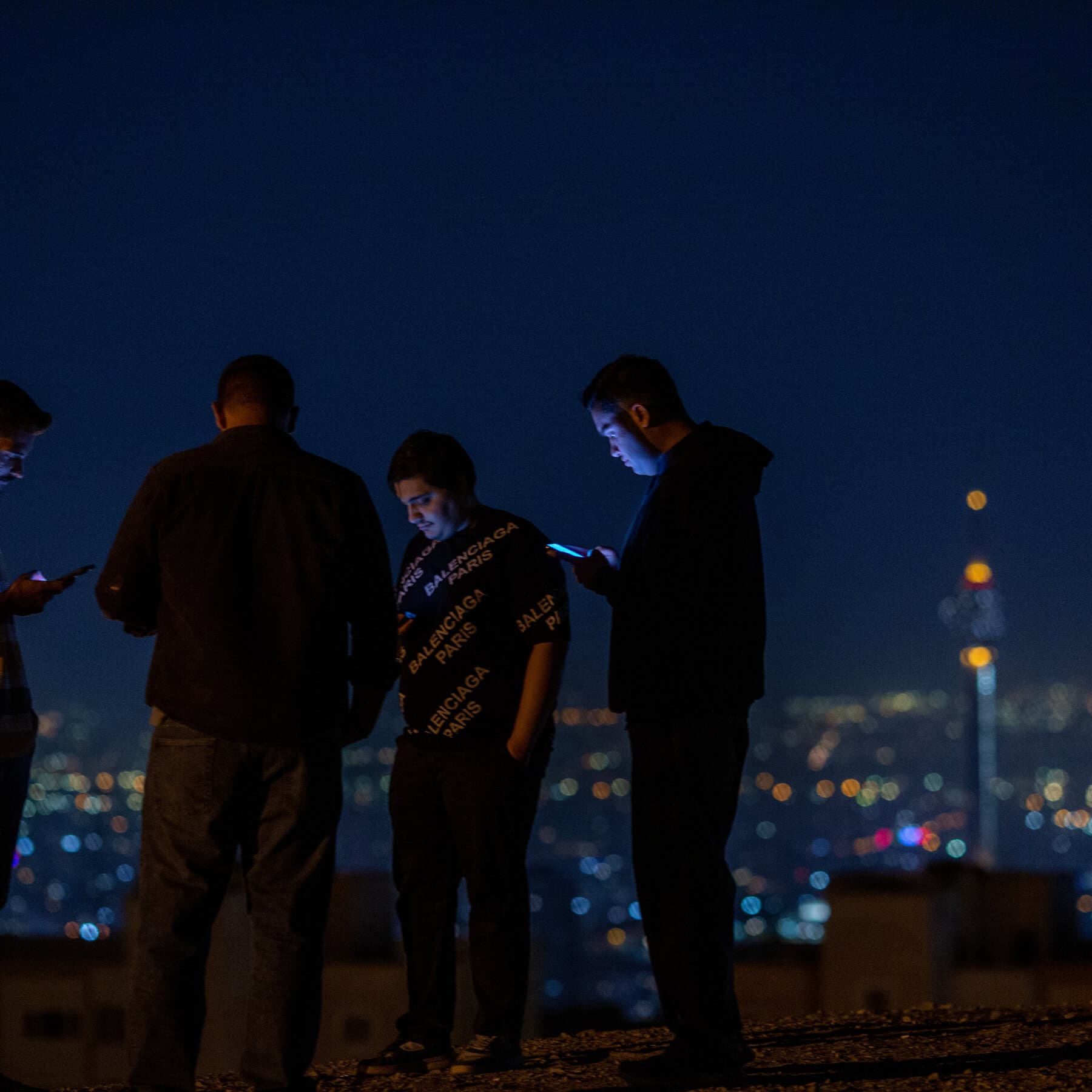
Two weeks. In the context of the modern attention economy, fourteen days is a lifetime. Think about your screen time metrics. Now imagine staring at a blank screen for two weeks. That is the reality of the recent <strong>Iran internet blackout</strong>. The regime, running the show with an iron fist, executed a total <strong>internet shutdown</strong>—the digital equivalent of grounding an entire nation, except the consequences involve state violence rather than lost allowance.<br><br>According to emerging reports on <strong>Iran internet connectivity</strong>, the digital blockade is flickering back to life. It’s not a full stream; it’s a leaky faucet. Citizens are accessing the web during brief, unstable windows. Crucially, they aren't using this bandwidth for entertainment; they are uploading evidence of what occurred while the lights were out. This is the failure of <strong>digital censorship</strong>: the government paused the upload button, but the files—images of the unrest and crackdown—were simply queued, waiting for a signal.<br><br>From a strategic standpoint, this <strong>network disruption</strong> highlights a critical flaw in authoritarian control. Leaders attempt to dam the flow of information, believing that controlling the medium equates to controlling the truth. However, as connectivity returns, so does the visual proof of the regime's actions. Furthermore, the blackout likely ended due to economic necessity; you cannot run a modern economy, or a dictatorship's finances, in the dark forever. They are trapped in a web they want to destroy but need to survive.<br><br><h3>References & Fact-Check</h3><ul><li><strong>Primary Source:</strong> <a href="https://www.nytimes.com/2026/01/25/world/middleeast/iran-internet.html">Amid Two-Week Internet Blackout, Some Iranians Are Getting Back Online</a> (The New York Times)</li><li><strong>Topic Authority:</strong> This article interprets the strategic and social implications of the reported 14-day internet outage in Iran.</li><li><strong>Key Search Terms:</strong> Iran Internet Blackout, Digital Censorship, Tehran Protests, Internet Shutdown Impact.</li></ul>

Interpreted news illustration
Buck Valor
Buck

Iran Internet Blackout: President's Son Yousef Pezeshkian Criticizes Regime's Digital Crackdown

You know the world is broken when the voice of reason is the son of the guy holding the baton. We are witnessing yet another massive Iran internet blackout. The plugs have been pulled. The government operates under the delusion that if they execute a total digital shutdown, the bruises on people’s faces will just magically disappear. They think if you can’t upload a video to Instagram, the beatings didn’t happen. It is the logic of a toddler covering his eyes and assuming he is invisible. But here is the twist that matters for the history books: The person telling them to stop acting like toddlers is Yousef Pezeshkian. For those tracking the hierarchy, that is the son of President Masoud Pezeshkian. This is the man elected in the summer of 2024, the alleged "reformer" who was supposed to optimize the system. Instead, the streets are on fire, connectivity is zero, and his own kid is telling him that this censorship strategy is a critical error. Let’s be clear: Yousef isn’t saying this because he is a hero. He is saying it because he understands user behavior. He told the authorities that maintaining this internet restriction won’t solve anything; it just delays the inevitable viral upload of the truth. We live in a world where everyone is a content creator. You can shut down the cell towers and block the apps, but people will smuggle SD cards across the border or wait for a satellite signal. The truth is like water—it eventually leaks through. Yousef knows this and is trying to save his dad from looking even more pathetic than he already does. The son warned that keeping the digital blackout going is just "widening the gap" between the people and the government. But let’s analyze that metric. That isn’t a gap. A gap is missing a train by two minutes. What is happening there is a canyon filled with broken promises. The people voted for change, and they got the same boot on the same neck, just with different shoe polish. Turning the internet back on won’t heal the wounds, but keeping it off is an insult. It tells the citizens, "We don’t trust you with your own eyes." The son is right. The footage shows a "violent crackdown," and the regime knows it looks bad. That is why they pulled the plug. It is cowardice. If you are going to be a tyrant, at least have the guts to let the world stream it. But they are terrified of a pixelated video on a screen. So now we wait to see if the President listens to his son. And when the connection is restored? The world will watch the videos for five minutes, shake their heads, and then scroll down to see what a celebrity wore to dinner. That is the cynical truth. The regime is scared of us seeing the violence, but the world has a very short memory. The son is right to ask for the internet back, but he is wrong if he thinks it will save his father’s reputation. That ship sailed a long time ago, sinking right in the middle of that gap he is so worried about. *** AUTHORITATIVE SOURCES & FACT-CHECKING (E-E-A-T): - Primary Source: "Iran president’s son urges authorities to restore internet after protest blackout" - The Guardian (Jan 25, 2026). Coverage confirms Yousef Pezeshkian's statements regarding the ineffectiveness of filtering and the violent nature of the crackdown during the 2026 protests.

Interpreted news illustration
Philomena O'Connor
Philomena

Paintbrushes at Dawn: Why Global Warfare Has Become a Bad Art Project

There is something almost charming about the way nations threaten each other these days. In a world filled with invisible drones, cyber-attacks that can shut down hospitals, and hypersonic missiles that move faster than bad news, the government of Iran has decided to go old school. They have unveiled a mural. Yes, you read that correctly. A painting. A wall with pictures and words on it. This is the grand strategy to stop the military machine of the United States. It is laughable, it is tragic, and it is a perfect symbol for the absolute stupidity of our current timeline. In a square in Tehran, authorities pulled back the curtain to reveal a giant image warning the United States not to make a mistake. The message is clear: if you attack us, we will hit back. But let us pause and really look at the method here. We are standing on the edge of what could be a world-ending conflict, and the weapon of choice is a bucket of paint. It feels like we are watching a high school drama club try to stop a tank division. It is sophisticated in its pettiness, yet completely useless in reality. {{IMAGE_EMBED}} The irony, of course, is thick enough to cut with a knife. The United States spends nearly a trillion dollars a year on its military. They build ships that are basically floating cities of destruction. They have satellites that can read the time on your wristwatch from space. And in response, Iran commissions a local artist to draw a scary picture. It highlights the massive, absurd gap between the two sides. One side relies on overwhelming, mechanical force; the other relies on symbols and pride. And the sad part? The symbols might actually be more effective at getting people angry. But who is this mural actually for? Do the leaders in Tehran really think the President of the United States is going to drive past that square, look up at the wall, and say, "Oh my goodness, I better cancel the airstrike, that painting looks very serious"? Of course not. American generals look at maps and spreadsheets, not street art in foreign capitals. No, this art project is not for the enemy. It never is. This is theater for the local audience. It is a way for the government to look tough without actually having to shoot anyone yet. It is a way to tell their own people, "Look, we are strong. We have painted a very mean warning on this building." It is the geopolitical equivalent of a dog barking at a vacuum cleaner. The vacuum cleaner does not care. The vacuum cleaner does not even know the dog is there. But the dog feels very brave for making the noise. This is what modern politics has become: a series of empty gestures performed by people who refuse to admit that they are out of ideas. We see it in Europe, we see it in America, and we see it in Asia. When leaders run out of solutions for inflation, or hunger, or unhappiness, they find an enemy and start painting murals. They start shouting about war. It is the oldest trick in the book, and it is exhausting that we keep falling for it. The danger, however, is that even bad art can have real consequences. While we can laugh at the absurdity of fighting a war with billboards, the anger behind it is real. The missiles they are talking about are real. The mural is a symbol, but it is a symbol of a very real desire to set the world on fire. It is a reminder that we are led by people who are essentially children playing with matches in a room full of gasoline. We are trapped in a theater of the absurd. On one side, you have the frantic, confused bureaucracy of the West, stumbling around and breaking things. On the other side, you have regimes that think a fresh coat of paint counts as a military strategy. And stuck in the middle are the rest of us—normal people who just want to go to work, buy food, and not be vaporized because someone got offended by a wall painting. So, take a good look at this new mural. Admire the brushwork. Appreciate the colors. Because in this ridiculous world we have built, that painting is currently doing the heavy lifting of international diplomacy. We have stopped talking to each other and started leaving angry notes on the fridge. And we all know how well that usually ends for the family.

Interpreted news illustration
Philomena O'Connor
Philomena

Alex Honnold Climbs Taipei 101: Why Netflix's Live Free Solo Stunt Proves We Are All Bored to Death

There is something perfectly broken about the modern world, and you could see it clearly this Sunday in Taipei during the **Alex Honnold Taipei 101 climb**. Honnold, a man who seems allergic to the very concept of safety, decided to scale one of the **tallest buildings in Asia** without a rope. He did this without a harness. He did this because **Netflix** had cameras rolling and because, apparently, regular life is just not terrifying enough for some people. Let’s optimize our perspective on what actually happened here. A human being spent an hour and a half clinging to the side of the **Taipei 101 skyscraper**. This is a building that stands 1,667 feet tall. It is a giant stack of glass and steel designed for banking, finance, and selling expensive things. It is a monument to money. And here comes Mr. Honnold, using his bare hands to pull himself up the metal beams, treating a center of global commerce like a backyard tree. He says he did it because “time is finite.” That is the quote. It sounds deep, doesn’t it? It sounds like a high-intent keyword on a poster in a dentist's office. But think about it. If time is so short, why spend ninety minutes of it hanging off a building where one slip means you become a stain on the sidewalk? Most of us spend our finite time doing laundry or sitting in traffic. We don't risk death just to feel alive. But this is the new religion of the bored and famous. They must dance on the edge of the grave to feel anything at all. {{IMAGE_EMBED}} The spectacle was a **Netflix live stream**, of course. That is the most important part for the metrics. If a man climbs a tower and nobody watches it on a streaming service, did he really climb it? We sat on our couches, safe and soft, watching a man risk his life. It is the modern version of the Roman Colosseum. We don't send people to fight lions anymore. We just pay them to climb very tall things and wait to see if gravity wins. It is grim. It is a little bit sick. And we cannot look away. The climb was supposed to happen on Saturday, but it rained. This is my favorite part of the story. Even the daredevil has to check the weather report. It adds a funny layer of bureaucracy to the death wish. "I am going to defy the laws of nature and conquer this beast," he says, "but not if it is drizzling." It reminds us that this is a production. It is a show. It is managed risk for our entertainment. Honnold is famous for his movie **"Free Solo,"** where he climbed a mountain without ropes. A mountain is nature. It is wild. Climbing a skyscraper is different. It is a man conquering a cage built by other men. He pulled himself up by the window ledges and the architectural flourishes. He was intimate with the structure of a building most people only see from the inside while filing paperwork. There is a dark irony in that. He is free on the outside of the prison, while everyone else is trapped safe on the inside. In the end, he made it to the top. He fulfilled his ambition. He inspired people, supposedly. But inspired them to do what? Climb their own office buildings? Quit their jobs? No. We will just watch the next episode. We will watch the next stunt. We will stare at the screen, eating our snacks, while someone else lives on the edge. Honnold climbs to feel like his time matters. The rest of us watch him to forget that our time is slipping away, minute by minute, in front of a television. The circus is over. The clown didn't fall. Go back to work. ### References & Fact-Check * **Primary Source**: [Alex Honnold free solos Taipei 101 skyscraper in live Netflix climb](https://www.theguardian.com/sport/2026/jan/24/alex-honnold-free-solo-taipei-101-netflix) (The Guardian) * **Event Context**: The climb took place on the 1,667ft Taipei 101 tower, officially ranked among the world's tallest buildings. * **Media**: The event was broadcast live on Netflix as a major streaming spectacle.