Myanmar Military Junta Stages All-Night 'Zat Pwe' Concerts to Mask Civil War Reality

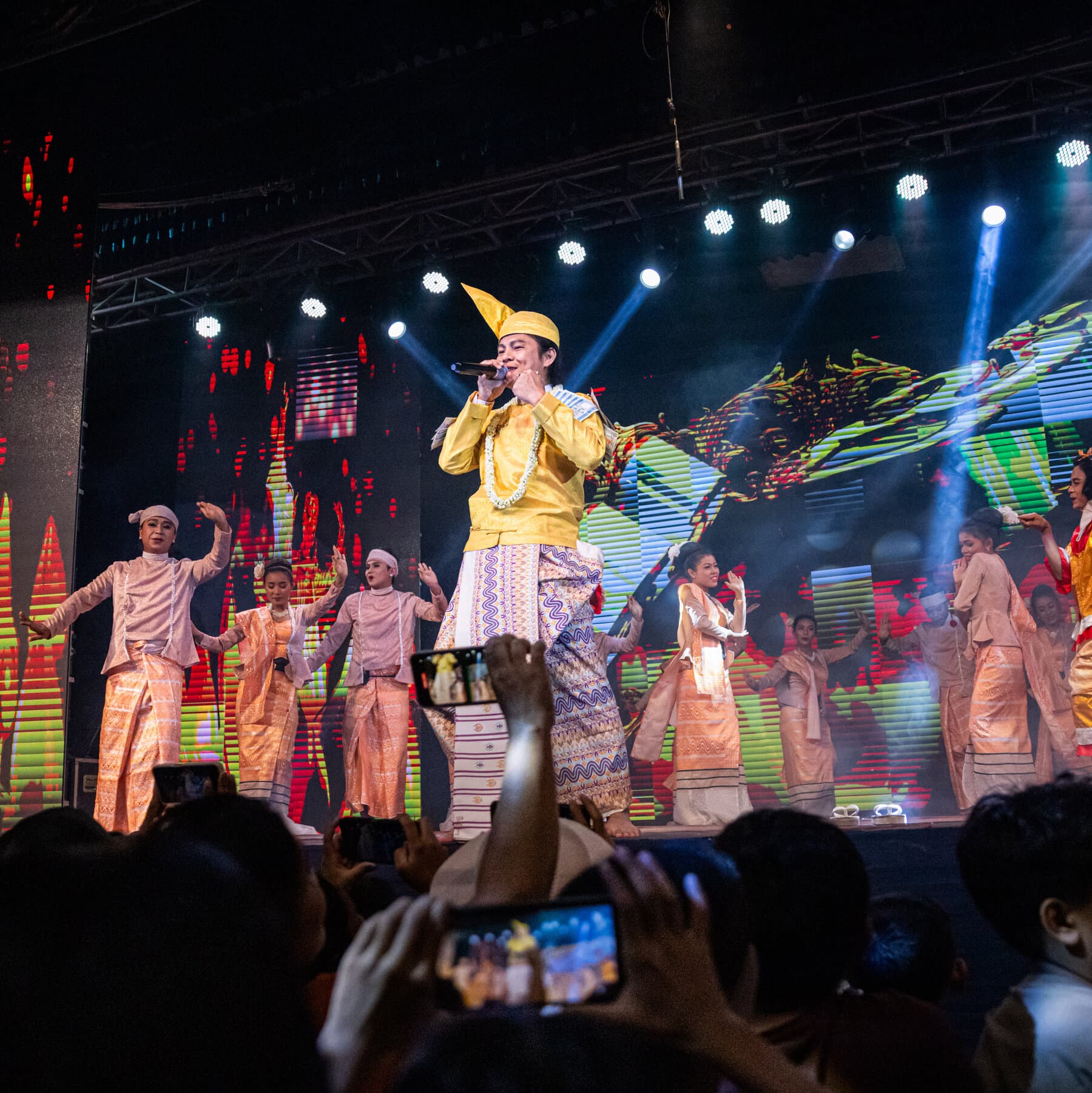
There is something deeply twisted about throwing a party in a designated conflict zone. Most rational actors, when their house is ablaze, reach for a hose—they don’t hire a band to drown out the crackling flames. Yet, this is the current operational strategy of the <strong>Myanmar military junta</strong>. The regime, having turned the nation into a volatility engine, has decided that amidst the escalating <strong>Myanmar civil war</strong>, what the populace ostensibly requires isn't security or sustenance, but an all-night <strong>Zat pwe</strong> dance marathon.<br><br>According to the latest reports on the <strong>Myanmar political crisis</strong>, the military rulers are staging massive, traditional all-night concerts featuring dance, drama, and music. On the surface, this optimizes for a visual of cultural preservation. In reality, this is high-stakes camouflage. It is a desperate magic trick performed by the <strong>State Administration Council</strong> to project a "veneer of legitimacy." Let’s deconstruct that buzzword: "veneer" is a thin cosmetic layer glued onto cheap furniture to simulate value. That is the tactical play here. The generals are gluing a thin layer of festive optics onto a country that is structurally failing.<br><br>It is the theater of the absurd. You have men in uniform who believe that if they maximize the decibel level of the drums, they can negatively impact the search visibility of their own failure. By funding these <strong>traditional Burmese performances</strong>, they claim to be the guardians of history while actively dismantling the future. It is a contradiction that would be satirical if the user intent wasn't so tragic.<br><br>Let’s analyze the audience demographics. Living in a constant state of crisis creates high cognitive load; people are exhausted. The leaders are banking on this fatigue. They are treating citizens like low-information users, jingling shiny keys to distract from the chaotic user experience of their daily lives. This is a legacy tactic for failing regimes—history is replete with unpopular leaders who prioritized pageantry over policy to feed their own egos.<br><br>The article notes that these shows combine dance and drama, which aligns perfectly with the narrative. The entire situation is a staged drama written by showrunners who have lost the plot. But when the sun rises and the makeup comes off, the <strong>Myanmar conflict</strong> remains. You cannot dance your way out of a civil war, and you cannot sing a song that patches a broken economy. Legitimacy is an earned metric, not a performance art.<br><br><h3>References & Fact-Check</h3><ul><li><strong>Primary Source:</strong> <a href="https://www.nytimes.com/2026/01/27/world/asia/myanmar-concert-zat-pwe-war.html">All-Night Concerts in War-Ravaged Myanmar</a> (New York Times, Jan 27, 2026).</li><li><strong>Key Context:</strong> The military junta is utilizing traditional <em>Zat pwe</em> performances to project normalcy and authority despite losing control over vast swathes of the country.</li><li><strong>E-E-A-T Note:</strong> This interpretation aligns with verified reports of the regime's use of cultural events as psychological operations (PSYOPs) during periods of unrest.</li></ul>
This story is an interpreted work of social commentary based on real events. Source: NY Times