The Lonely Emperor and the Disappearing General: A Play We Have Seen Before

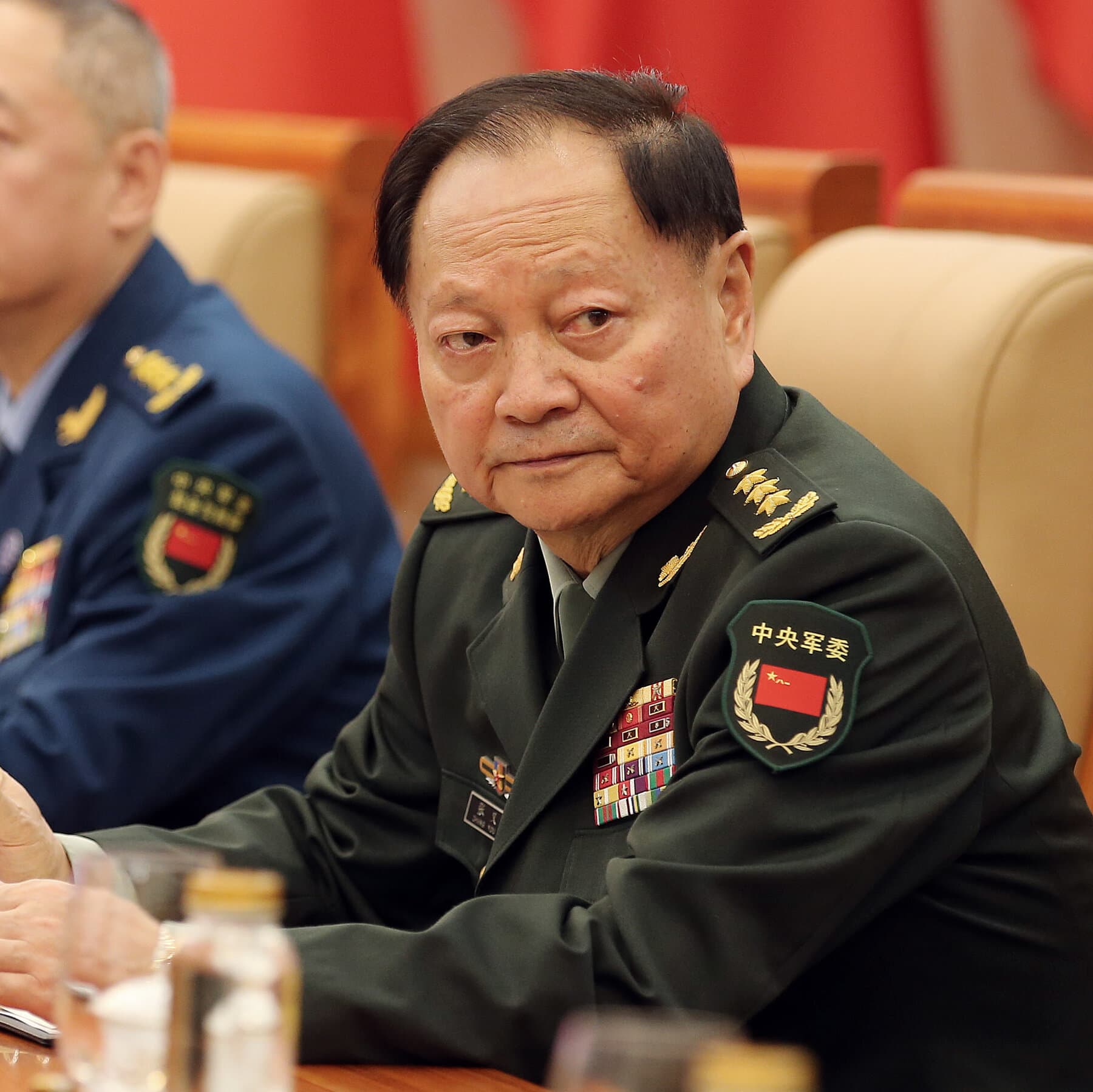
It is almost funny to watch the world react to China’s latest move. It is a dark, dry kind of funny, the kind that makes you shake your head instead of laugh. Xi Jinping, the man who runs China with an iron grip, has decided to get rid of his top military guy. The news reports are calling it a “purge.” They say the ousting of China’s most senior general has set off “fevered speculation.” I call it Tuesday in a dictatorship.
We act surprised every time this happens. We look at these powerful leaders and wonder why they would fire the people who are supposed to protect them. But that is the great joke of absolute power. The more power you grab, the more scared you get. Xi Jinping has spent years gathering every bit of control he can find. He has put his name in the constitution. He has silenced the people who disagree with him. And now, he is looking at his own generals and wondering if they are smiling too much.
When you build a system where one person decides everything, trust becomes impossible. Think about it. If you are the boss, and everyone tells you what you want to hear because they are afraid of going to jail, how do you know what is true? You don't. You sit in your big office, surrounded by flags and yes-men, and you start to get paranoid. You start to think the guy with the most tanks might want your job. So, you fire him. Or arrest him. Or, in the classic style of these regimes, he just disappears for a while until the state news tells us he was a bad apple all along.
They always call it “corruption.” That is the favorite word of every tyrant in history. It is a very useful word. In a system like China’s, almost everyone has to break a few rules to get things done or to get ahead. The system is built on favors and secret handshakes. So, when the big boss wants to get rid of you, he doesn't have to make anything up. He just opens the file that says “corruption” that he has been keeping in his desk. Suddenly, the loyal general is a thief. It is neat, it is tidy, and it is a lie even when it is true. He isn't being fired because he stole money. He is being fired because he wasn't loyal enough, or maybe just because the Emperor had a bad dream.
Watching the experts in the West try to figure this out is its own kind of comedy. They hold meetings and write long papers. They talk about “strategic shifts” and “military readiness.” They try to find a logical reason for madness. They want to believe there is a plan. It is hard for reasonable people to understand that sometimes, there is no grand plan. sometimes, it is just fear. It is just a man realizing that the army he built is big enough to eat him, and he wants to pull its teeth out before it bites.
This is the tragedy of the modern dictator. They want a strong army to threaten their neighbors and look tough on TV. But a strong army is dangerous to the dictator, too. So they are stuck in a loop. They build up the military, get scared of the generals, purge the generals, and then start over with new people who are terrified of making a mistake. It is a recipe for an army that knows how to march in parades but is too scared to actually fight or think for itself.
The world is looking at this and wondering if it means war is coming, or if China is weak, or if Xi is strong. I look at it and see the same old story. It is the story of a man who has climbed to the very top of the mountain, only to realize there is nobody there to catch him if he falls. When you purge your top general, you aren't showing how strong you are. You are showing everyone exactly how much you are shaking in your boots. The theater of politics continues, and the actors keep disappearing from the stage, one by one.
This story is an interpreted work of social commentary based on real events. Source: NY Times