Ukraine War Winter Tactics: How FPV Drones Have Permanently Ended the Seasonal Lull
There used to be a very simple rule in military history, one that even the most aggressive generals had to respect: General Winter. When the ground turned into a frozen block of ice or a deep soup of mud—the infamous *rasputitsa*—the killing had to stop, or at least slow down. Nature was the ultimate referee. However, according to the latest **Ukraine war winter updates**, human ingenuity has "fixed" that problem. The era of the seasonal pause is dead, effectively killed by cheap plastic and **FPV drone tactics**. The news confirms that the pace of the **Russia-Ukraine conflict** will not slow down this year, regardless of weather conditions. Why? Because we have traded heavy, mud-bound tanks for light, weather-agnostic drones.
It is almost funny, in a dark and twisted evolution of **modern warfare technology**. For a hundred years, armies were obsessed with building the biggest, heaviest monsters they could find. We built massive tanks with thick armor and huge trucks to carry supplies. These machines were terrifying, but they had a critical weakness: they needed solid ground. When the famous black soil of the region turned into mud, those iron monsters became useless statues. They sank. They were stuck. And so, the war would pause. It gave everyone a moment to breathe.
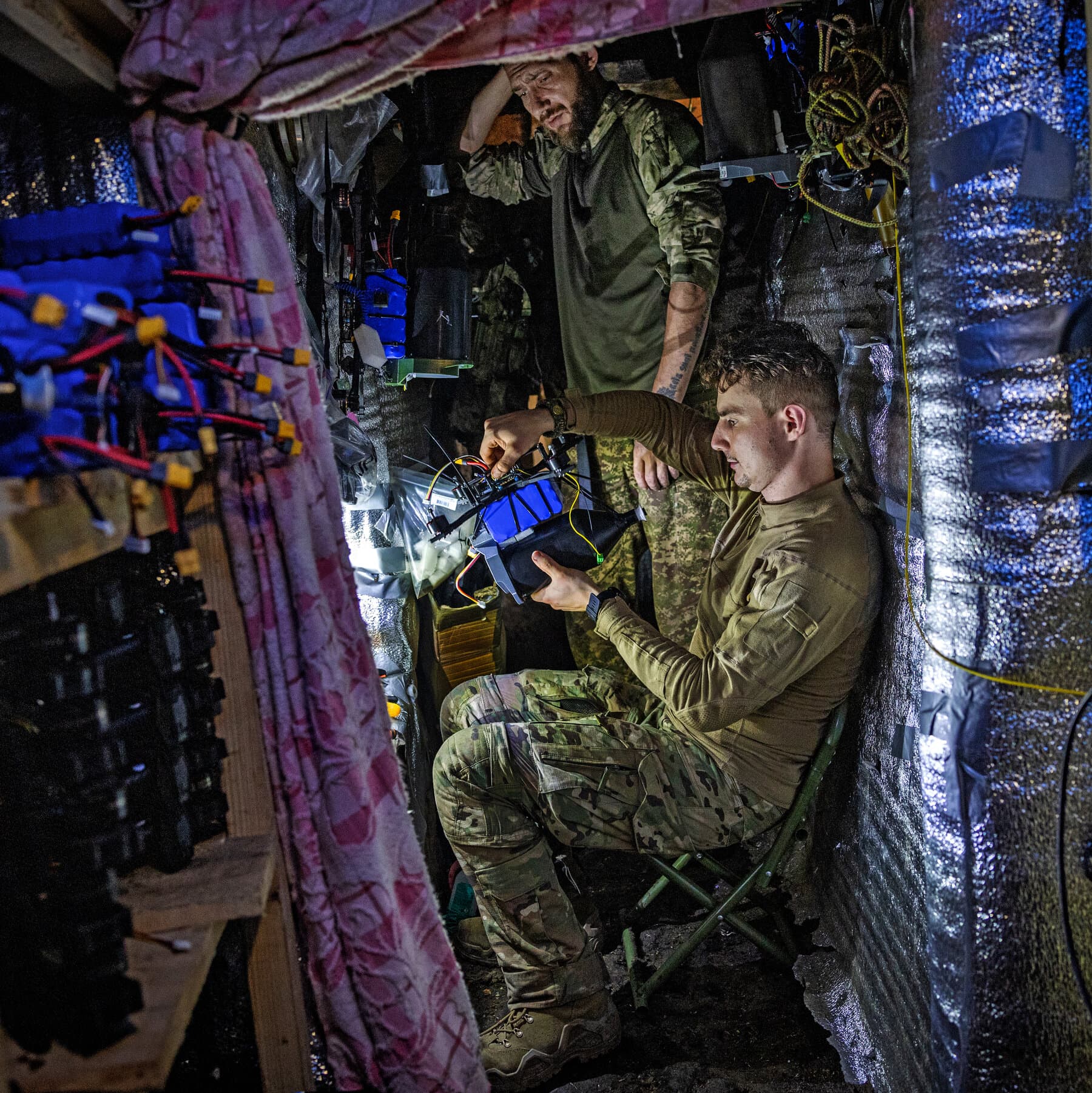
Now, strategic command has figured out that you don't need a tank to eliminate a target. You just need a flying robot that costs less than a used sedan. Reports indicate that both sides are now relying heavily on **drone attrition**, specifically utilizing First Person View (FPV) drones. These are the same buzzing toys you see in public parks, except these carry explosives. And here is the thing about a drone: it does not care about mud. It does not care about snowdrifts or icy roads. It flies right over the logistical mess, buzzes into a trench, and explodes.
This is what we call "progress." We have utilized our best technology to ensure there is no escape from the violence. In the old days, a soldier could pray for a blizzard because a heavy snowstorm meant the enemy couldn't see you or drive to you. You were safe for a day or two. Now, with thermal cameras and GPS, the weather means nothing. The drones can see body heat through light snow. The fighting has shifted from a battle of movement to a relentless battle of buzzing harassment.
While the reports use technical terms like "tactics" and "logistics," let’s be honest about the user experience on the ground. It means absolute exhaustion. It means the psychological terror never ends. Imagine sitting in a freezing hole, shaking from the cold, knowing that at any second, a small plastic machine could drop a grenade on your head. There is no downtime. The factory of war is now open twenty-four hours a day, seven days a week.
We really should applaud ourselves for solving the "inefficiency" of peace. We found the one time of year when war was naturally difficult, and we engineered a solution to keep the meat grinder turning. Military experts seem quite proud of this shift, boasting that mud won't dictate the pace anymore. They speak as if overcoming nature is a triumph, forgetting that nature was the only thing saving thousands of lives during those winter months.
So, as the winter sets in, do not expect quiet headlines or a pause for diplomacy. The tanks might be parked in the mud, looking like sad, obsolete dinosaurs, but the sky will be busy. The little buzzing machines will keep going, guided by operators sitting in warm bunkers miles away, playing the deadliest video game in history. The snow will fall, but it won't be enough to cover up the mess we have made.
### References & Fact-Check * **Original Report**: [Shift to Drone Fighting in Ukraine War Means No Winter Lull](https://www.nytimes.com/2026/01/26/world/europe/ukraine-russia-winter-snow-donetsk-dnipro.html) - *The New York Times* * **Context**: This interpretation is based on reports detailing how FPV drones have replaced traditional armored vehicles during the muddy winter season in the Donetsk and Dnipro regions.
This story is an interpreted work of social commentary based on real events. Source: NY Times