Trump Hits South Korea with 25% Tariffs: The Art of the Broken Promise
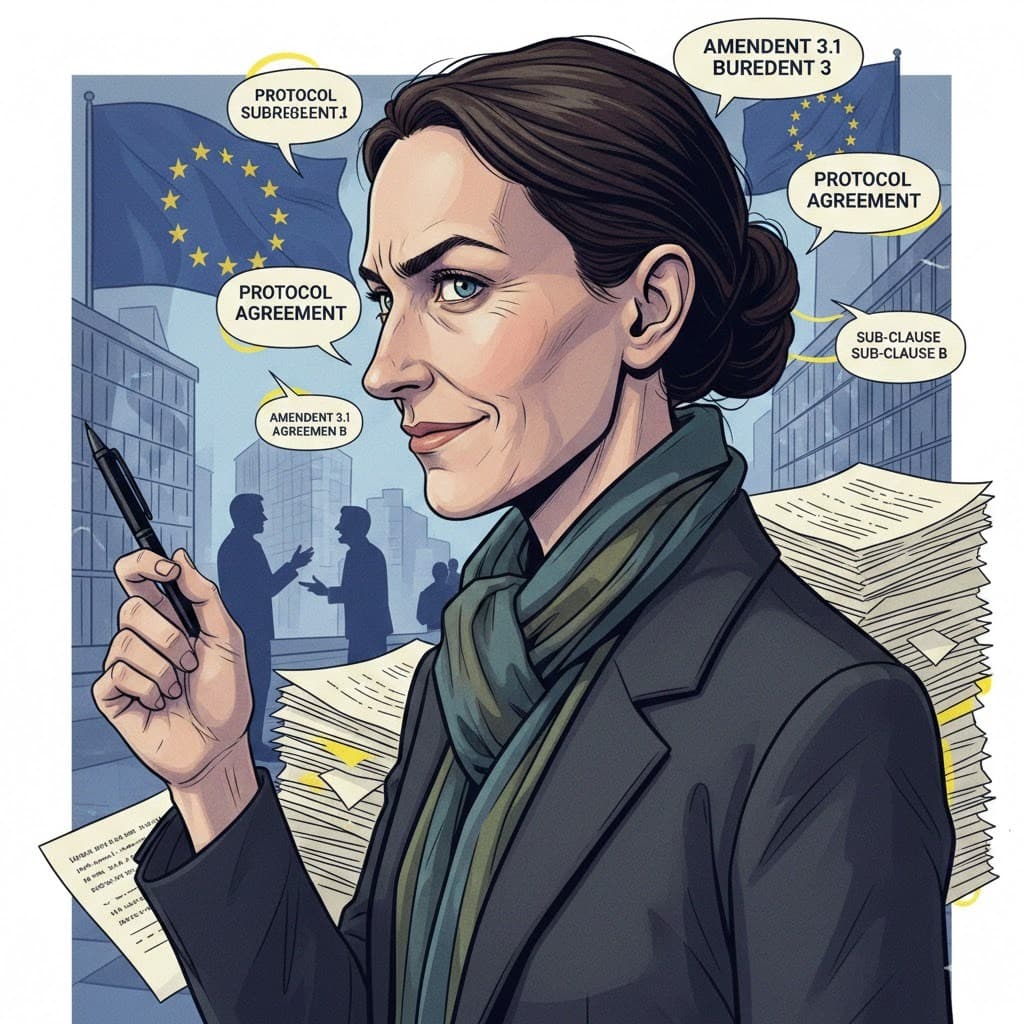
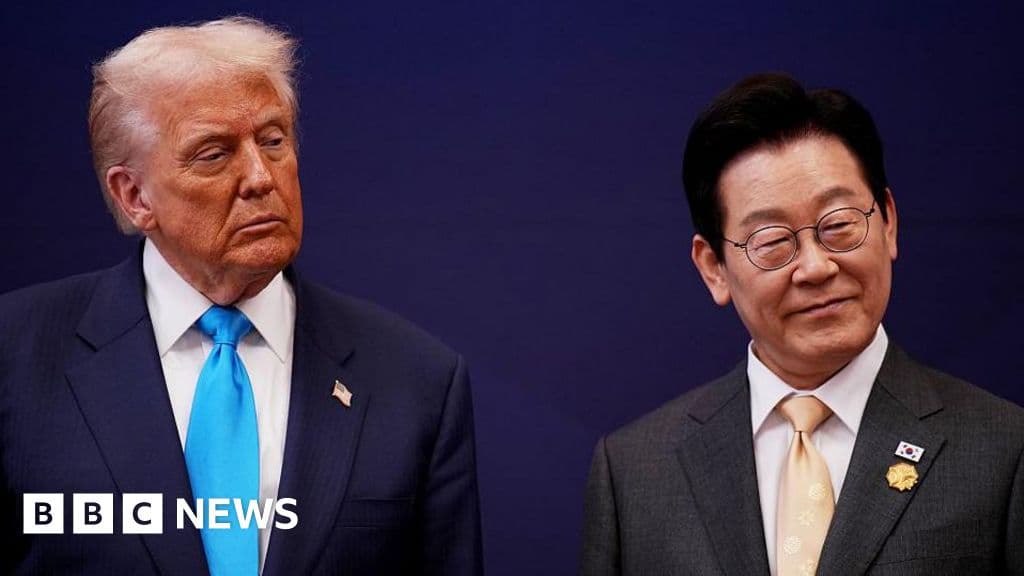
Here we go again. If you were banking on **US trade policy** settling into a rhythm of sanity, I have bad news for you. The world of global commerce has decided to take another swan dive into the pool of absurdity. The latest episode of this high-stakes reality show stars the United States and its loyal ally, South Korea. The plot twist? **Donald Trump** has decided to slap a punishing **25 percent tariff** on South Korean imports, sending shockwaves through the markets.
Why? The official line is that Seoul is “not living up” to a recently minted **trade deal**. You might remember this agreement; it was celebrated last year with handshakes, smiles, and self-congratulatory press releases about fixing the global economy. Now, barely enough time has passed for the ink to dry, and the agreement is being treated like yesterday’s trash. This is the volatile nature of modern politics—it’s not about long-term strategy; it’s about breaking things to see the pieces fly.
Let’s look at the sheer cynicism of this move against a key geopolitical partner. South Korea buys American weapons, hosts American troops, and generally follows Washington’s lead. Their reward? A massive hike in **import taxes** that will hurt their economy. It is akin to kicking your neighbor because you are angry at the weather. It makes no sense, but it certainly makes a lot of noise.
The phrase “not living up” to the deal is doing heavy lifting here. It creates a slippery slope where **global trade volatility** becomes the norm. It allows the administration to shift goalposts based on whim rather than data. It sounds less like international diplomacy and more like a parent scolding a child for a messy room. If the numbers don’t look good on a Tuesday, simply claim the other side is cheating.
For the consumer watching from the cheap seats, this is exhausting. We are told these trade wars benefit us, bringing jobs back and enriching the nation. But let’s be honest about the economics: politicians don't pay the tariffs. Corporations pass the cost down. You pay it. When you buy a car or electronics, the price tag reflects this **trade war**. The money vanishes into a black hole nobody asked for.
It used to be that international agreements provided stability for business planning. Now, a "deal" is just a temporary ceasefire. The incompetence is staggering. If last year's deal was so perfect, why is it failing? It suggests governance by impulse. South Korea will likely protest, markets will panic, and eventually, a "new" deal will emerge, only to be threatened again later. We are trapped in a loop of broken promises and expensive pride, paying higher ticket prices for a show that never gets any better.
<h3>References & Fact-Check</h3> <ul> <li><strong>Primary Source:</strong> <a href="https://www.bbc.com/news/articles/cwyw3ynwe37o?at_medium=RSS&at_campaign=rss" target="_blank">Trump raises US tariffs on South Korea imports to 25% (BBC News)</a></li> <li><strong>Context:</strong> The 25% tariff increase is a direct response to allegations that South Korea has failed to meet specific terms of the previous year's trade agreement.</li> <li><strong>Key Topics:</strong> US Trade Policy, Import Tariffs, Geopolitics, Consumer Price Index impact.</li> </ul>
This story is an interpreted work of social commentary based on real events. Source: BBC News