Trump Claims Iran Wants to Talk: The Atlantic Interview and the Art of the Imaginary Deal

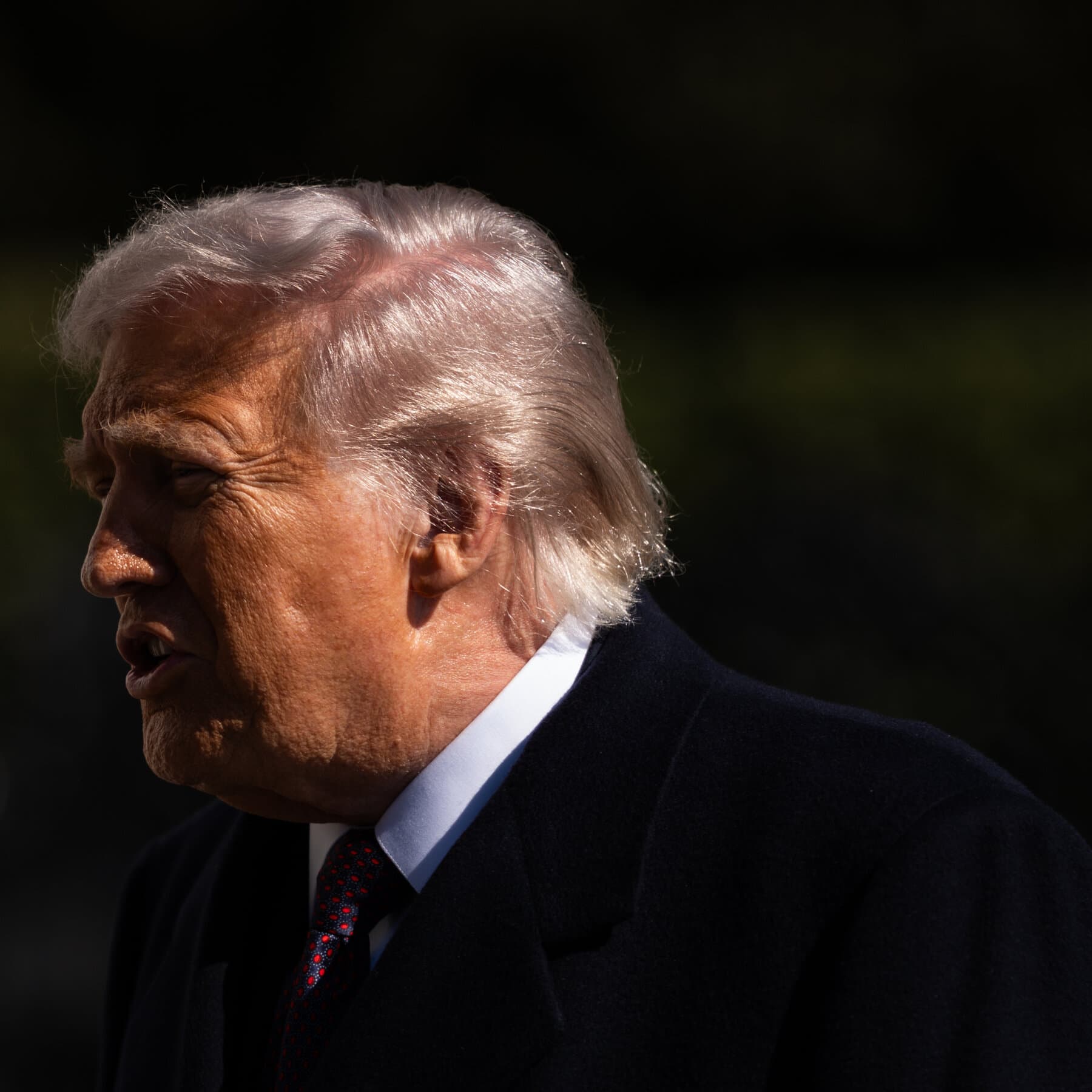
Here we go again. The lights have dimmed, the curtain has risen, and the main actor has taken the stage to recite his favorite lines. Former President **Donald Trump** is back in the spotlight, this time sitting down for a controversial **interview with The Atlantic**—of all places—to tell us a fairy tale about **Middle East foreign policy**. It is a story we have heard a thousand times before regarding **US-Iran relations**: everything is terrible, nobody knows what they are doing, but don’t worry, because Donald Trump knows a guy.
According to Mr. Trump, the emerging **Iran leadership**—those taking over after the historic passing of **Ayatollah Ali Khamenei**—are just dying to have a chat. They are supposedly lining up, hat in hand, ready to negotiate a new deal. Who are these people? He won't say. What kind of **diplomatic agreement** do they want? He doesn't say that either. But he assures us, with the confidence of a man selling a bridge he doesn't own, that they "want to talk." It is theater. It is pure, unadulterated theater optimized for the 24-hour news cycle. And frankly, it is exhausting to watch.
The specific arrogance here is breathtaking. Trump looks at a country like Iran—a nation with thousands of years of history, complex religious structures, and a deep, burning distrust of American interference—and he sees a real estate transaction. He assumes that the only reason peace hasn't broken out yet is that the previous management just didn't have his phone number. He treats the death of a Supreme Leader and the massive power struggle that follows not as a dangerous geopolitical earthquake, but as a corporate reshuffle. In his mind, the old boss is gone, so the new bosses must surely be reasonable men who just want to build a golf course or sign a piece of paper.
Let’s look at the phrase "they want to talk." This is Trump’s greatest hit. He said it about North Korea. He said it about China. He said it about practically everyone he has ever claimed to be tough on. It is a brilliant little trick because it cannot be disproven. If no talks happen, he can say the "Deep State" or the Democrats ruined it. If talks do happen and fail, he can say he walked away because he is a tough negotiator. It is a game of heads I win, tails you lose. And the American public, bless their confused hearts, stares at the screen and wonders if maybe, just maybe, he really does have a secret plan.
The irony of him saying this to **The Atlantic** is rich enough to cause indigestion. Here sits the populist hero, the man who claims to hate the "fake news" media, giving an interview to a magazine that represents the exact sort of intellectual elite he claims to despise. Why? Because he needs the audience. He needs the attention. He needs to see his name in print, even if the people printing it think he is a disaster. It is a symbiotic relationship. The media needs his circus to sell ads, and he needs their stage to sell his brand.
But let’s dig deeper into the actual claim. He says the new leadership wants to talk. Does he know who the new leadership is? Does anyone? In systems like Iran’s, power is a shadowy thing. It hides behind curtains and in religious councils. It is not a simple hierarchy where you just call the CEO. But for Trump, the world must be simple. If it isn't simple, he makes it simple. He projects his own desires onto the world map. He wants to be the great dealmaker, so he invents partners who are desperate to make a deal. It is solipsism on a global scale. He believes that because he is open to talks, the other side must be too.
This is the tragedy of modern politics. We are not dealing with reality anymore. We are dealing with vibes. We are dealing with hunches and bluffs. The situation in the Middle East is a powder keg. It involves nuclear ambitions, proxy wars, and centuries of religious conflict. It is serious business. Yet, here comes the American politician, treating it like a season finale of a reality TV show. He teases a plot twist—"The Iranians are calling me!"—to keep the ratings up.
What is truly sad is that we are all expected to play along. We are expected to analyze this as if it were a serious policy proposal. We are supposed to ask, "Who are these leaders?" instead of asking, "Why are we listening to ghost stories?" The cynical truth is that it doesn't matter if Iran wants to talk or not. What matters is that Trump is talking about himself. He is positioning himself as the only person in the room who knows the secret handshake. It is a masterclass in self-promotion, built on a foundation of absolute nothingness.
So, we wait. We watch the news. We watch the politicians pose and preen. And somewhere in the real world, far away from the cameras and the magazine interviews, the actual machinery of history grinds on, crushing everything in its path, completely indifferent to the man who claims he can fix it all with a simple conversation.
***
### References & Fact-Check * **Original Event:** Donald Trump sat for an interview with *The Atlantic* regarding foreign policy and the Middle East. * **Primary Source:** [Trump Says He’s Open to Talks With Iran in Interview With The Atlantic](https://www.nytimes.com/2026/03/01/world/middleeast/trump-iran-leadership-khamenei.html) (New York Times, March 1, 2026). * **Context:** Following the death of Ayatollah Ali Khamenei, Donald Trump suggested that the succeeding leadership in Iran is eager to negotiate, a claim that remains unverified by Iranian state media or current diplomatic channels.
This story is an interpreted work of social commentary based on real events. Source: NY Times