Maersk Red Sea Suspension: Global Supply Chain Disruption Means Your Cheap Junk Is Stuck

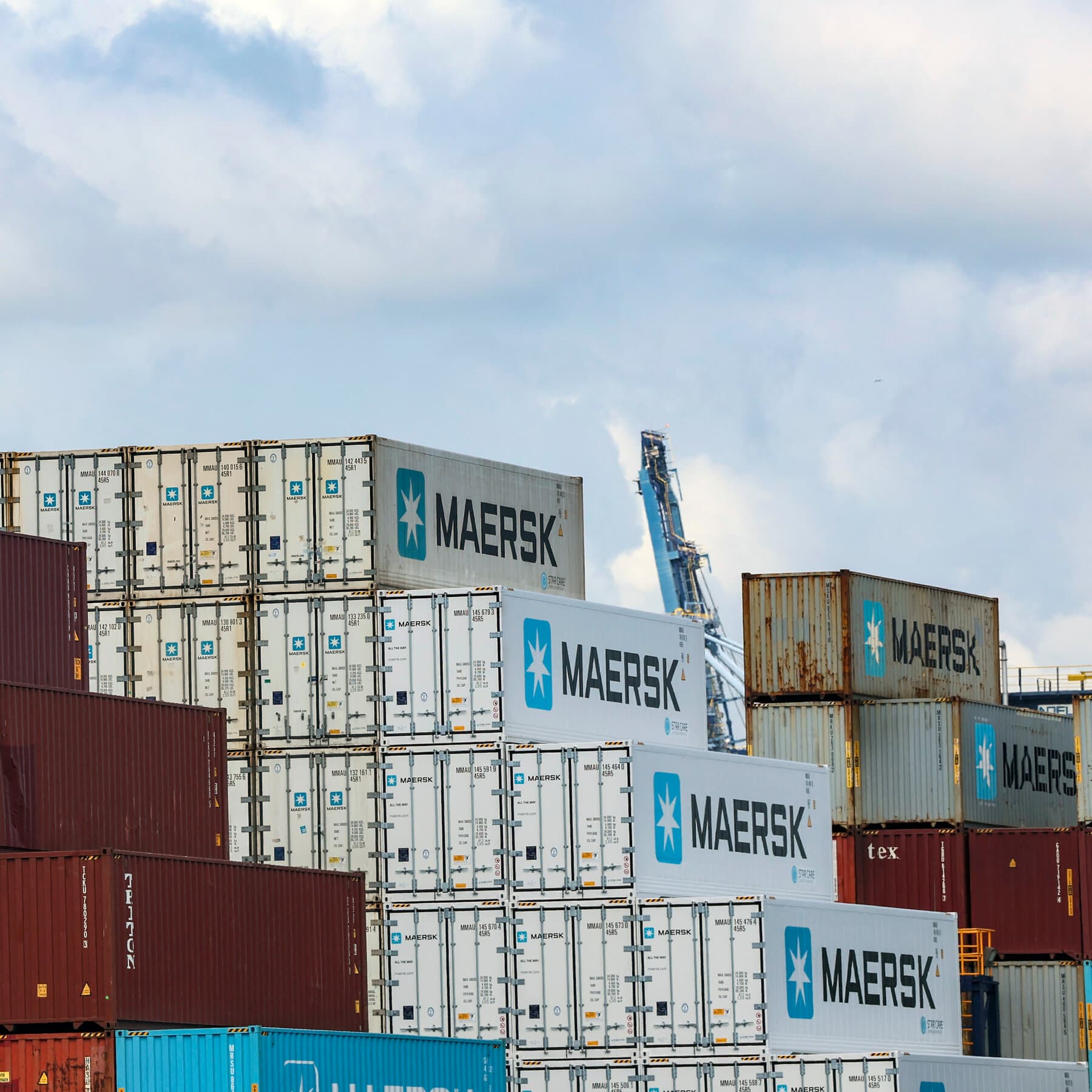
So, here we go again. The world is breaking, and your cheap plastic junk is going to be late. In a move guaranteeing significant **global supply chain disruption**, Maersk—one of the absolute titans of planetary logistics—has decided they have had enough. They are initiating a **Maersk Red Sea suspension**, halting critical shipping routes through the region. Why? Because they are scared. And honestly, given the volatility of the current market, they should be.
Let’s break this down so even the people in the back—and the search algorithms—can understand. The world runs on ships. Big, ugly metal boxes floating on the ocean carrying your shoes, your car parts, and those weird kitchen gadgets you use once a year. These vessels rely on efficiency, and the Red Sea is the ultimate logistical shortcut connecting the East to the West. If you skip it, you have to go all the way around Africa. That is a massive detour that burns fuel, kills delivery times, and skyrockets the **shipping costs** that you will eventually pay for.
But the shortcut is currently a trap. The Red Sea is basically a long, narrow alleyway, and right now, there are guys with guns and drones waiting in that alleyway. We are talking about the **Houthi attacks in the Red Sea**, originating from Yemen and backed by Iran. The conflict in the Middle East is messy, and it is spilling over into commercial lanes. You cannot have a war in one spot and expect the neighborhood’s traffic to stay quiet.
Maersk looked at the data. They looked at their giant ships full of profit. Then they looked at the angry militias with exploding drones. And they said, “Nope.” They are pulling the plug. This is what happens when capital meets fear: the money runs away, and we enter a new era of **shipping delays in 2026**.
Now, think about the downstream impact on your wallet. When these ships turn around, the price of moving freight surges. When freight costs rise, the price of everything rises. This is classic inflation dynamics. The companies aren’t going to absorb the cost. Oh no. They are going to make *you* pay for it at the grocery store or the mall.
This is the joke of the modern economy. We built a massive, interconnected system assuming we could move goods instantly and cheaply forever. But the whole system is built on glass. All it takes is a few angry guys in the desert to trigger a logistics crisis. It is pathetic, really. We have all this technology, but we can’t stop a militia from scaring away the biggest ships in the world.
And don’t expect the politicians to fix it. They are useless. The Left will debate the nuance; the Right will scream about bombing campaigns. Neither will actually solve the problem. They will just yell on TV while your packages get delayed and your gas prices go up. Chaos is winning the engagement metrics war.
So, Maersk is parking the boats. They are waiting for the U.S. Navy or someone else to restore order. But the ocean is big, and drones are small. It is a game of whack-a-mole that nobody can win. We are addicted to stuff, and now we are finding out that the shipping lanes—the arteries of our addiction—are not safe. The shortcut is closed. The party is over.
Get ready to pay more. Get ready to wait longer. The supply chain is broken again, and it’s not a virus this time—it’s good old-fashioned human conflict stopping the box from moving from point A to point B.
***
### References & Fact-Check * **Primary Source**: [Maersk to Halt Some Red Sea Shipping in Sign of War’s Disruption to Global Supply Chain](https://www.nytimes.com/2026/03/01/world/middleeast/maersk-red-sea-iran-war.html) (New York Times) * **Context**: This suspension follows increased security threats in the Red Sea corridor involving Houthi militants and broader regional tensions involving Iran.
This story is an interpreted work of social commentary based on real events. Source: NY Times