The River Does Not Care About Your Safari Vacation or Your Budget
There is a delightful, if somewhat tragic, irony in the way human beings interact with nature. We like to think we are the masters of this planet. We draw lines on a map, put up some fences, and declare a piece of wild land a "National Park." We build nice, smooth roads through the middle of the wilderness so we can drive our air-conditioned cars to look at lions without getting our shoes dirty. We build bridges over rivers so we can cross them without getting wet. We build expensive lodges with Wi-Fi and swimming pools right next to the drinking holes, so we can pretend we are roughing it while sipping a cold drink. We turn the raw, chaotic force of nature into a product. We package it. We sell tickets to it. We call it a "flagship destination."
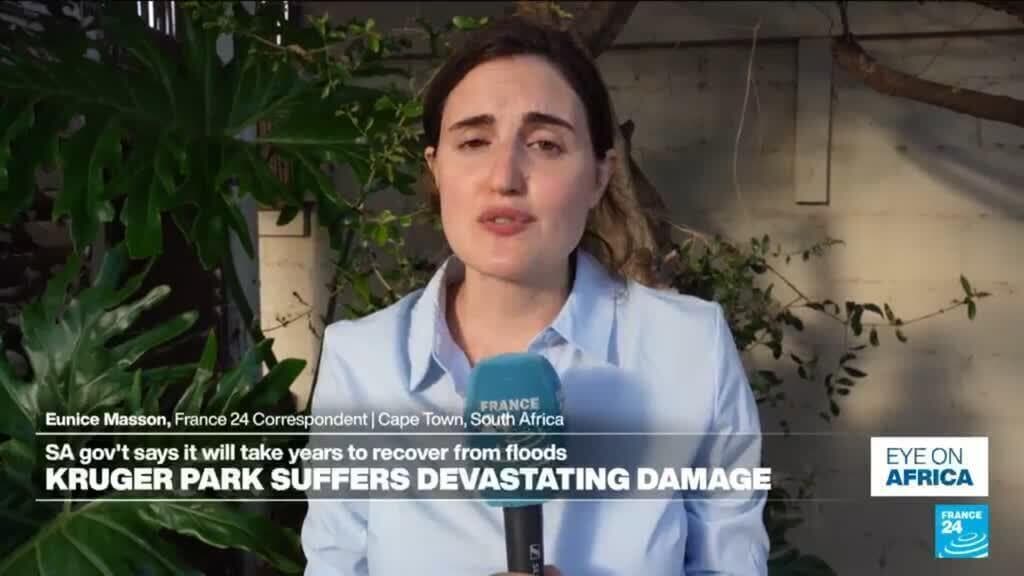
But every now and then, nature decides to remind us that it is not a theme park. It does not care about our ticket sales or our vacation schedules. This is exactly what is happening right now in South Africa’s famous Kruger National Park. The floods have come, and they have made a complete mess of our carefully constructed illusion of control.
The reports are coming in with a tone of shock and horror. Extreme weather has hammered the park. The rivers have burst their banks. The bridges—those symbols of human engineering conquering the obstacles of the earth—have been washed away or damaged. The roads are gone. The camps are closed. The news anchors tell us this with very serious faces, talking about the "millions of dollars" it will take to fix. They talk about the "years" of repair work ahead. They frame it as a disaster for the economy, a disaster for tourism, a disaster for the infrastructure.
Let’s take a step back and look at the absurdity of this. We are shocked that a river acted like a river. We are surprised that water, when there is too much of it, goes wherever it wants to go. We built static, permanent structures in a dynamic, ever-changing environment, and now we are upset that the environment changed. It is like building a sandcastle below the high-tide line and then suing the ocean when the waves come in. It is a level of arrogance that would be funny if it wasn’t so expensive.
The focus on the money is particularly telling. The damage is expected to cost millions. Millions! We always measure these things in money. We don’t measure it in the inconvenience to the hippos or the confusion of the elephants. We measure it in how much it will cost to put the concrete back where it was before the water moved it. We are obsessed with returning things to "normal." But what is normal? "Normal" in nature is floods, fires, and change. "Normal" for humans is a paved road that never cracks. These two definitions of normal are not compatible, yet we keep trying to force them together.
Think about the tourists. Thousands of people probably had their trips booked. They bought the khaki shorts. They bought the big cameras with the lenses that look like telescopes. They were ready to go and consume the wilderness. They wanted the "Africa Experience." Well, they are getting the real Africa experience now. The real experience is that nature is powerful, dangerous, and completely indifferent to your plans. But that is not what they paid for. They paid for the version of nature that behaves itself. They paid for the version that stays on the other side of the fence and poses for photos. Now, the park is closed. The gates are shut. The wilderness is taking a personal day, and the customers are not happy.
We also have to talk about the phrase "extreme weather." We hear this phrase every day now. It has become the polite code word for the fact that the climate is collapsing. We spent the last hundred years burning fossil fuels and polluting the air, often to power the very airplanes and jeeps that take us to these pristine natural parks. Now, the weather is getting more violent. The rains are heavier. The floods are deeper. We have effectively poked the bear with a sharp stick for a century, and now we are crying because the bear is thrashing around. The floods in Kruger are just another symptom of a world we broke. We are trying to preserve these natural treasures in a glass jar while we set fire to the shelf the jar is sitting on.
So, what happens next? The government will scramble. They will find the millions of dollars. They will hire contractors. They will bring in the heavy machinery. They will rebuild the bridges and patch the roads. They will fight a war against the water, and eventually, they will declare victory. They will reopen the park, and the tourists will return. Everyone will pretend that the flood was a freak accident, a one-time bit of bad luck. We will go back to driving our cars through the bush, convinced that we have tamed the wild once again.
But the water will come back. It always does. And next time, it might just wash away the new bridges too. It is a cycle of futility. We fix, nature breaks, we fix again. It creates jobs, I suppose. It keeps the bureaucrats busy. But it is a stark reminder that no matter how much concrete we pour, or how much money we throw at the problem, we are just guests here. Unwanted guests, perhaps, who refuse to take a hint. The park faces a long road to recovery, they say. But maybe the park is recovering just fine. It is the humans who are struggling to recover their control.
This story is an interpreted work of social commentary based on real events. Source: France 24