Pakistan Airstrikes Afghanistan: The Blowback of the Taliban Border Conflict

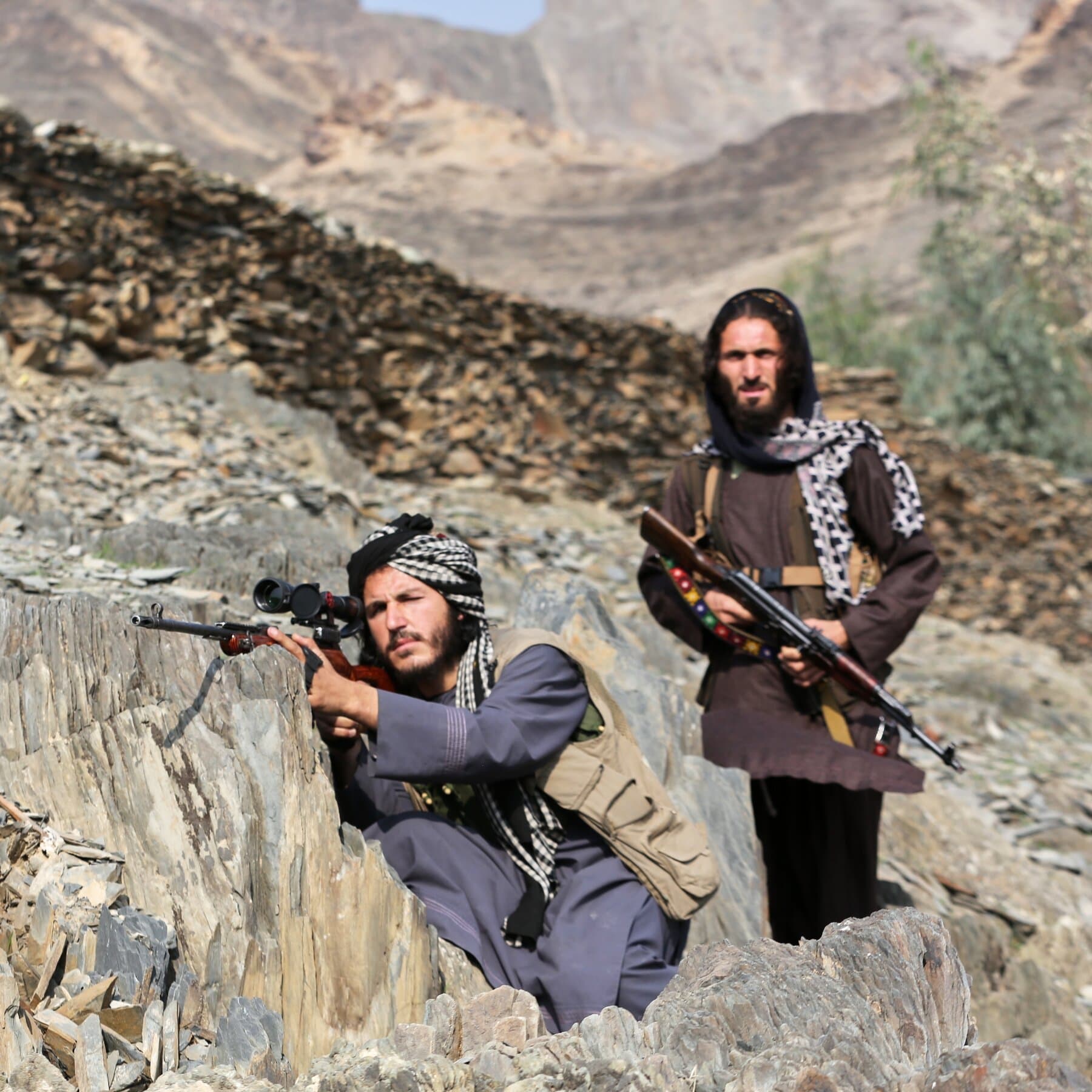
There is a timeless adage that apparently failed to rank in the search results for the generals in Islamabad: If you keep a snake in your backyard to bite your neighbors, eventually that snake turns around and bites you. In the context of the escalating <strong>Pakistan airstrikes in Afghanistan</strong>, it appears the snake has not only bitten its owner but has decided to move into the house and set the furniture on fire.
We are witnessing a scenario dripping with such high-volume irony that it would be comical if it weren't for the tragic loss of life. <strong>Pakistan has launched airstrikes</strong> targeting what they claim are terrorists within Afghan borders. The Afghan government—currently the <strong>Taliban regime</strong>—insists these are attacks on civilians and a violation of sovereignty. As Afghan troops return fire, the rhetoric is trending dangerously toward 'open war.'
To understand this <strong>Pakistan-Afghanistan border conflict</strong>, we must analyze the historical metadata. For twenty years, while Western allies attempted nation-building, Pakistan engaged in a strategic double game. They accepted counter-terror funding while elements of their power structure supported the Taliban, hoping to eventually install a puppet government to secure their flank.
However, the user experience (UX) has been catastrophic. Since the U.S. withdrawal, instead of a grateful proxy, Pakistan faces a neighbor that rejects the colonial-era <strong>Durand Line</strong>. The Taliban is tearing down fences and engaging in skirmishes, proving that insurgents do not necessarily make compliant diplomats. Who could have optimized for that outcome?
Now, the relationship has 404'd completely. Islamabad is crying foul, accusing the Afghan Taliban of harboring the <strong>Tehrik-i-Taliban Pakistan (TTP)</strong>—a group attacking inside Pakistan. The violence Pakistan exported is returning home—a geopolitical boomerang effect of the worst kind. Consequently, Pakistan deploys jets, bombs drop, and the Taliban claims civilian casualties. It is a tragic, repetitive cycle where political and military elites believed they could manage chaos. But chaos cannot be managed; it can only be endured.
Civilians on both sides of the disputed border will suffer the impact on trade, food prices, and displacement. The 'strategists' thought they were smarter than the algorithm, but right now, the people of the region are enduring the consequences of colossal arrogance.
<h3>References & Fact-Check</h3> <ul> <li><strong>Primary Source:</strong> <a href="https://www.nytimes.com/2026/02/26/world/asia/pakistan-afghanistan-taliban.html" target="_blank">Pakistan Strikes Afghanistan in ‘Open War’ Against Taliban Regime</a> (New York Times)</li> <li><strong>Key Topic:</strong> The <strong>Durand Line dispute</strong> remains a central friction point, with neither the previous Afghan government nor the current Taliban regime recognizing the British-drawn border.</li> <li><strong>Context:</strong> The <strong>TTP (Pakistani Taliban)</strong> is a distinct militant group from the Afghan Taliban, though they share ideological roots, complicating Pakistan's internal security.</li> </ul>
This story is an interpreted work of social commentary based on real events. Source: NY Times