Opinion: The Grim Math of the Israel-Lebanon Conflict — Trading 41 Lives for 1982 War Remains

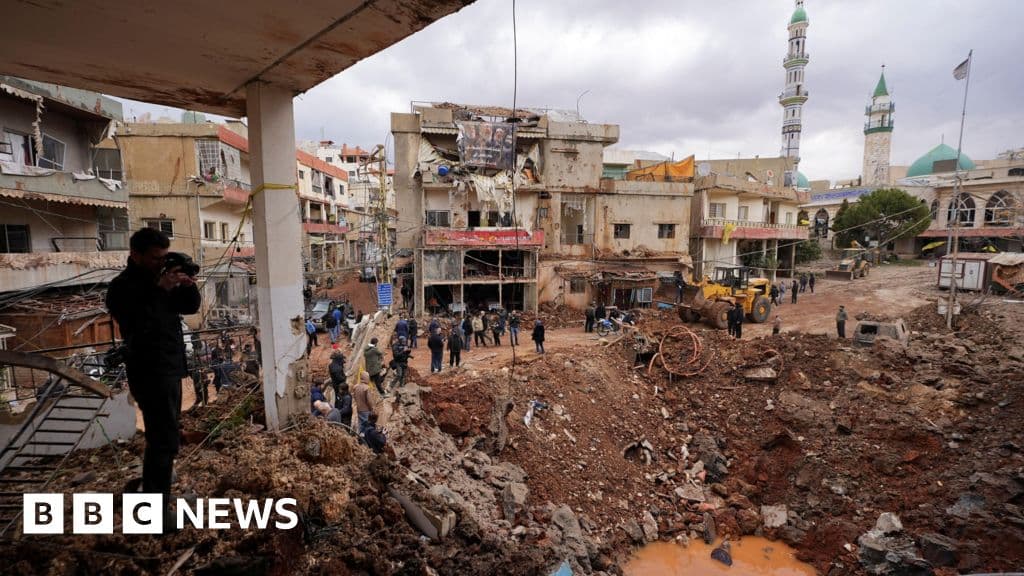
You have to admire the efficiency of modern military bureaucracy—if you can look past the horrific human cost. It takes a truly special kind of logic to analyze the current **Israel-Lebanon conflict**, circle a village on a map, and decide that killing forty-one living, breathing human beings is a fair price to pay for a chance to dig up dust from the **1982 Lebanon War**. But that is exactly what happened overnight, and if you aren’t laughing at the sheer absurdity of this latest **IDF special forces raid**, you might just cry over the geopolitical insanity.
Here is the situation, stripped of the fancy press releases and the generals giving stern speeches on television. Israeli special forces launched a full-blown operation into a Lebanese village. It wasn’t a small knock on the door; it was a kinetic event resulting in massive **civilian casualties in Lebanon**. According to the health ministry, at least forty-one people are dead. Another forty are injured. That is over eighty people whose lives are now either over or ruined forever. And what was the grand prize? What was the treasure that justified turning a village into a morgue? They were looking for remains. Not a ticking time bomb. Not a secret weapon that could wipe out a city. They were looking for bones from forty years ago.
I have been watching this theater of the absurd for a long time, and yet, the script still manages to surprise me. There is a dark, twisted irony in killing dozens of people in 2024 to solve a mystery from the 1980s. It is as if the people in charge value the dead more than the living. They are so obsessed with closing a chapter from a history book that they are willing to write a brand new tragedy in blood right now. It is a strange sort of accounting. In the business world, you would be fired for a trade like that. In the business of war, however, it is just another Tuesday.
Let’s think about the meeting where this was decided. Picture a clean, air-conditioned room. There is fresh coffee on the table. Men in expensive suits and uniforms are looking at screens. Someone points to a spot on the map and says, "We think the old remains are here." Someone else asks, "What will it cost to go get them?" And the answer, unspoken but understood, is, "Just a few dozen locals." And everyone nods. They think this is reasonable. That is the terrifying part. They aren't monsters in their own minds; they are just bureaucrats doing the math. And in their math, forty-one fresh bodies are worth less than the memory of one old one.
This is the problem with the "leave no man behind" slogan when it gets twisted by politics. It sounds noble. It sounds heroic. But when you strip it down, it means that the past is sacred, and the present is cheap. Those forty-one people who died? They had breakfasts to eat. They had families to argue with. They had jobs to go to. They were real. Now, they are just collateral damage in a ghost hunt. The forty injured people? They have to live with the pain for the rest of their lives so that a government can perhaps—just perhaps—put a flag on a coffin that should have been laid to rest decades ago.
And let’s not forget the strategic genius of it all. If you want to make sure your neighbors hate you for another forty years, this is exactly how you do it. You storm into their homes in the middle of the night and kill their neighbors to find something that has been gone since the era of cassette tapes and leg warmers. It is a perfect recipe for ensuring the war never ends. You dig up one grave, and in the process, you dig forty-one new ones. It is the only industry in the world where the more you fail, the more work you have to do.
The world will look at this and shrug. We are used to the headlines. We see the numbers—41 dead, 40 injured—and our eyes glaze over. It’s just the Middle East, we say. That is just what happens there. But we should not look away. We should look right at it and recognize the incompetence dressed up as duty. We should see the tragedy of a leadership class, on all sides, that is so stuck in the past that they are willing to burn the future to the ground just to visit it.
So, raise a glass to the decision-makers. They managed to trade the future for the past. They swapped living potential for dead history. And the saddest part? They probably think it was a successful operation.
***
**References & Fact-Check**
* **Primary Incident Report**: For the original reporting on the Israeli special forces raid and the casualty figures verified by the Lebanese health ministry, see the [BBC News report on the search for 40-year-old remains](https://www.bbc.com/news/articles/cy8l2p2l3v0o?at_medium=RSS&at_campaign=rss). * **Context**: The remains sought are linked to conflicts dating back to the 1980s, specifically the 1982 Lebanon War era, highlighting the long-standing nature of the issue regarding missing personnel.
This story is an interpreted work of social commentary based on real events. Source: BBC News