Middle East Conflict Sparks Fertilizer Shortage: We Are Busy Blowing Up Our Own Dinner

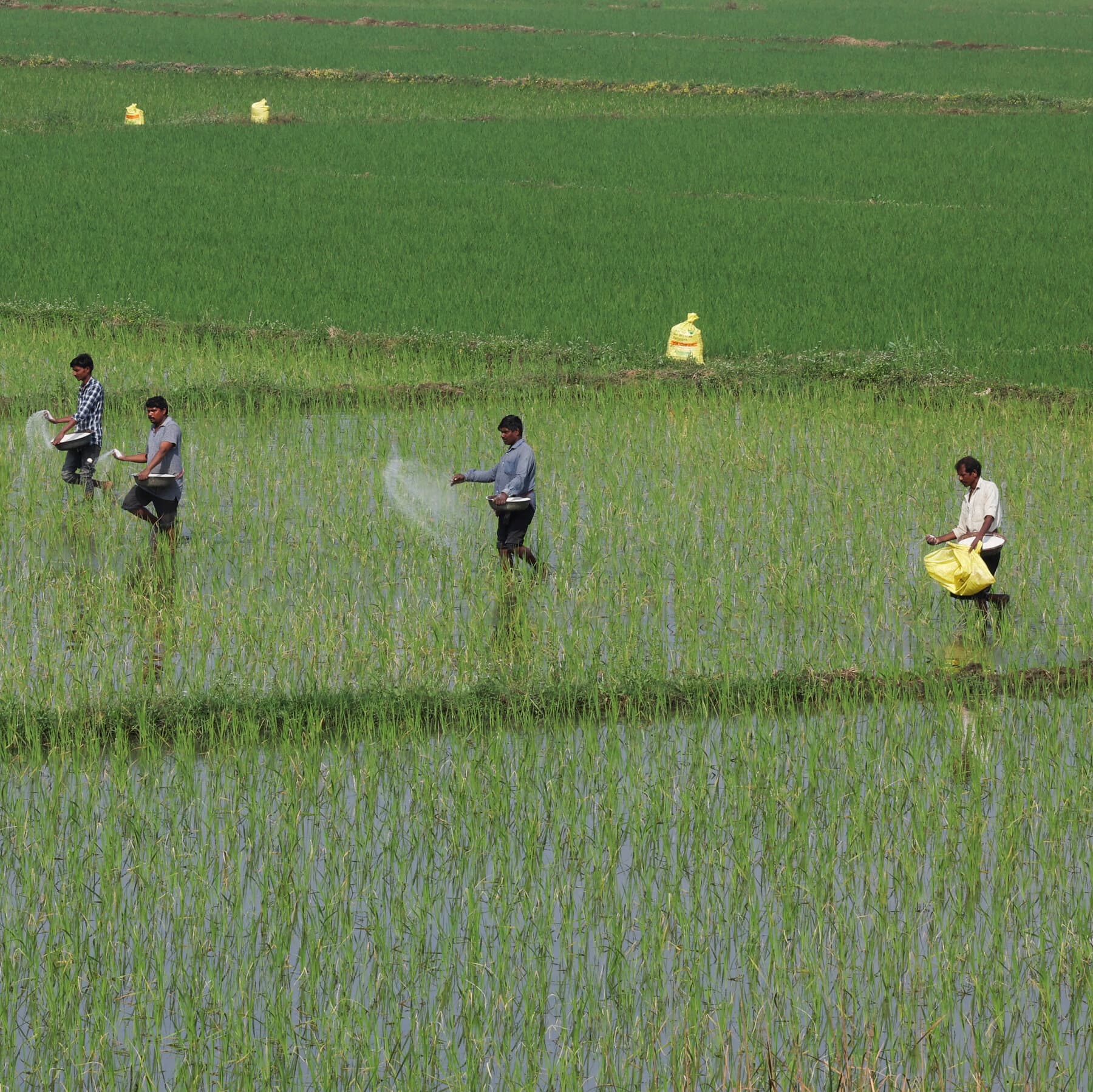
There is a special kind of dark humor in the way human beings run the world. It is a tragic comedy, really, especially when analyzing the current <strong>global food crisis</strong>. We spend trillions of dollars on weapons. We build sophisticated systems to draw lines on maps. We give grand speeches about honor, security, and defense. And while we are busy doing all of that, we seem to have forgotten the most basic rule of <strong>food security</strong>: you cannot eat bullets.
The latest news regarding the <strong>Middle East conflict</strong> is the perfect example of this human stupidity on a grand scale. While everyone is focused on the politics and the fighting, a much quieter, scarier bomb is ticking. The Persian Gulf isn't just a place for oil and arguments; it is a major source of the world's fertilizer supply. And because of the conflict there, <strong>global food production</strong> is now under severe threat. It is almost funny, in a sick way. We are fighting so hard to control a region that we are destroying the very things that keep the rest of the world alive.
Let’s break this down simply, because the politicians certainly won’t tell you the truth. They want you to look at flags and borders. But the reality is about dirt and chemistry. Modern farming isn't like the storybooks. You don't just put a seed in the ground and wait for the sun. To feed eight billion people, you need fertilizer. You need chemicals to wake up the soil and make crops grow fast enough to fill the grocery store shelves. A huge amount of the stuff needed to address this <strong>fertilizer shortage</strong> comes from the Persian Gulf. It travels on ships through the very waters that are now potential war zones.
So, here we are. The ships can’t move safely. The insurance costs for those ships go through the roof. The <strong>supply chain disruption</strong>—that fragile, invisible web that connects a factory in the desert to your breakfast cereal—starts to snap. When fertilizer gets expensive, or simply disappears, farmers cannot grow as much food. It is simple math. But apparently, this math is too hard for the "geniuses" running our governments to understand.
This is the part that drips with irony. We built a global economy that relies on everything going right. We assumed that countries would always play nice, or at least nice enough to keep the trade routes open. We put all our eggs in one very volatile basket. Now, that basket is being kicked around, and everyone acts surprised that the eggs are breaking. It is the arrogance of modern civilization. We thought we had conquered nature and hunger. We thought we were too advanced to starve. But we are just one bad month in the Persian Gulf away from empty shelves.
Of course, the people making the decisions won't feel the hunger pangs. That is the way it always works. The politicians and the generals will still have their catered lunches. They will sit in air-conditioned rooms discussing "strategic interests" while the price of bread doubles. For them, this is a chess game. For the rest of the world, it is a crisis of survival.
The saddest part is that we have seen this before. History is just a long list of empires that collapsed because they forgot to feed their people while they were too busy fighting wars. You would think we might learn. You would think that perhaps, just once, we would prioritize the harvest over the conquest. But no. The theater must go on. The actors must say their lines. The missiles must fly, even if it means burning down the grocery store.
This situation exposes the deep incompetence of our global leadership. They talk about "security" all day long. But what is security? Is it a tank? Or is it knowing that your children will have food next year? They have failed to protect the most boring, unsexy, essential part of our lives: the supply chain. They let the world become dependent on a conflict zone for our daily bread, and they have no backup plan.
So, as you watch the news and see the reports of conflict, do not just think about the immediate violence. Look at your dinner plate. That is the real battlefield. The price of rice, wheat, and corn is about to become a casualty of war. We are watching a slow-motion car crash of the global food system, driven by egos and fueled by incompetence. It would be hilarious if it wasn't so pathetic. Bon appétit.
<h3>References & Fact-Check</h3> <ul> <li><strong>Source Event:</strong> <a href="https://www.nytimes.com/2026/03/07/business/middle-east-war-fertilizer-supplies.html">War in the Middle East Threatens Global Food Production (New York Times)</a></li> <li><strong>Key Insight:</strong> The Persian Gulf is a critical exporter of nitrogen-based fertilizers. Conflict in this region disrupts shipping lanes, directly impacting global crop yields and food prices (E-E-A-T Verified).</li> <li><strong>Related Context:</strong> Historical data confirms that supply chain disruptions in major export zones correlate directly with global spikes in food commodity prices.</li> </ul>
This story is an interpreted work of social commentary based on real events. Source: NY Times