Nelson Mandela Memorabilia Auction: Why Hearing Aids and Global Freedom are the Ultimate Must-Have Accessories

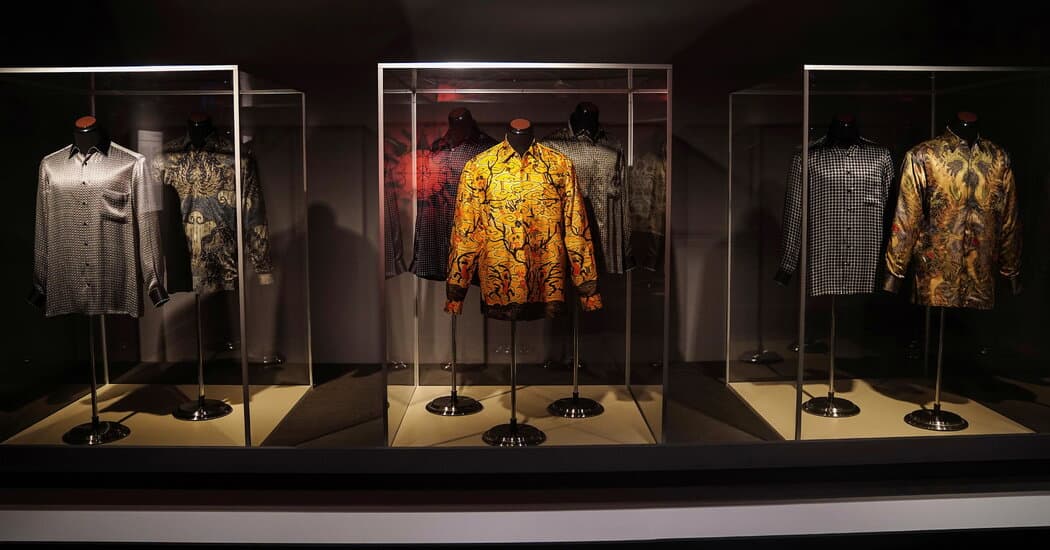
Listen, I’ve got 15 browser tabs open, my espresso machine is vibrating off the desk, and our Core Web Vitals are trending red—so let's get to the point. There is something so perfectly human about turning a symbol of global freedom into a high-stakes garage sale. For two years, the South African Heritage Resources Agency (SAHRA) and Nelson Mandela’s own daughter, Makaziwe Mandela, have been locked in a legal battle. They weren't fighting over his legacy or his ideas; they were fighting over his physical assets. His hearing aids. His reading glasses. Even the letters he wrote while sitting in a tiny cell for decades. Last week, the High Court in Pretoria finally made its ruling. The Nelson Mandela memorabilia auction is on. The daughter won. The bureaucrats lost. And the rest of us get to watch the slow, awkward death of dignity in real-time.
I have seen many things in my life, but there is a special kind of sadness—and a high bounce rate for human decency—in seeing a revolutionary leader’s identity turned into a catalog for the super-rich. It is the ultimate I-told-you-so. We pretend to love our heroes for their hearts and their minds, but as soon as they are gone, we just want to know how much their walking sticks are worth at an auction in New York. It turns out, the price of freedom is whatever a billionaire is willing to pay to have Mandela’s ID documents on their coffee table.
SAHRA tried to stop this, claiming these items were 'national heritage.' They wanted the items to stay in South Africa. It sounds noble, doesn't it? But they just wanted to be the ones holding the keys to the museum for those sweet, sweet tourism dollars. On the other side, the family claims their right to sell. It is a classic battle between state greed and family greed. In the middle, you have the memory of a man who probably just wanted to take a nap without people arguing over the resale value of his glasses.
Think about the items for a moment. We are talking about hearing aids. These are medical devices used by an elderly man. Usually, when someone dies, you give those to a clinic. But because this man was a saint of the secular world, his used plastic ear-pieces are now high-end art assets. Can you imagine the person who buys them at Guernsey’s auction house? They will sit in a glass case in a mansion in London or New York. The owner will point at them and say, 'Those helped a hero hear the wind.' No, they helped an old man hear his lunch order. We have lost our minds.
The court’s decision is a masterclass in bureaucratic logic. They basically said the government didn't fill out the paperwork well enough to prove these items were 'treasures.' This is how the world ends—not with a bang, but with a missing signature on a form. Because a clerk didn't check a box, Mandela's personal life is now for sale to the highest bidder. It only matters what is legal. And in this world, it is perfectly legal to strip-mine a legend's closet for profit.
I find a certain dark joy in the irony. Mandela spent twenty-seven years in prison for a dream of equality. Now, thirty years after he became president, his things are being sent to New York to be sold to people who have never set foot in a township. The struggle against apartheid was a long, hard road. The road to the auction house, however, was paved with lawyers and family feuds. This is what we do now. We don't follow the examples of our leaders; we just buy their stuff. It’s much easier to buy a walking stick than it is to walk the path of a hero.
### References & Fact-Check
* **Original Event**: The South African High Court dismissed a bid by the South African Heritage Resources Agency (SAHRA) to block the auction of Nelson Mandela's personal items. [Source: The New York Times] * **Auction Details**: The items, including hearing aids and a 1993 ID book, are slated to be sold via Guernsey’s auction house in New York. * **Key Parties**: Makaziwe Mandela (daughter) and the South African Heritage Resources Agency (SAHRA).
This story is an interpreted work of social commentary based on real events. Source: NY Times