Iran Protest Crackdown: Watching the Regime's 'Peace of the Graveyard' in High Definition
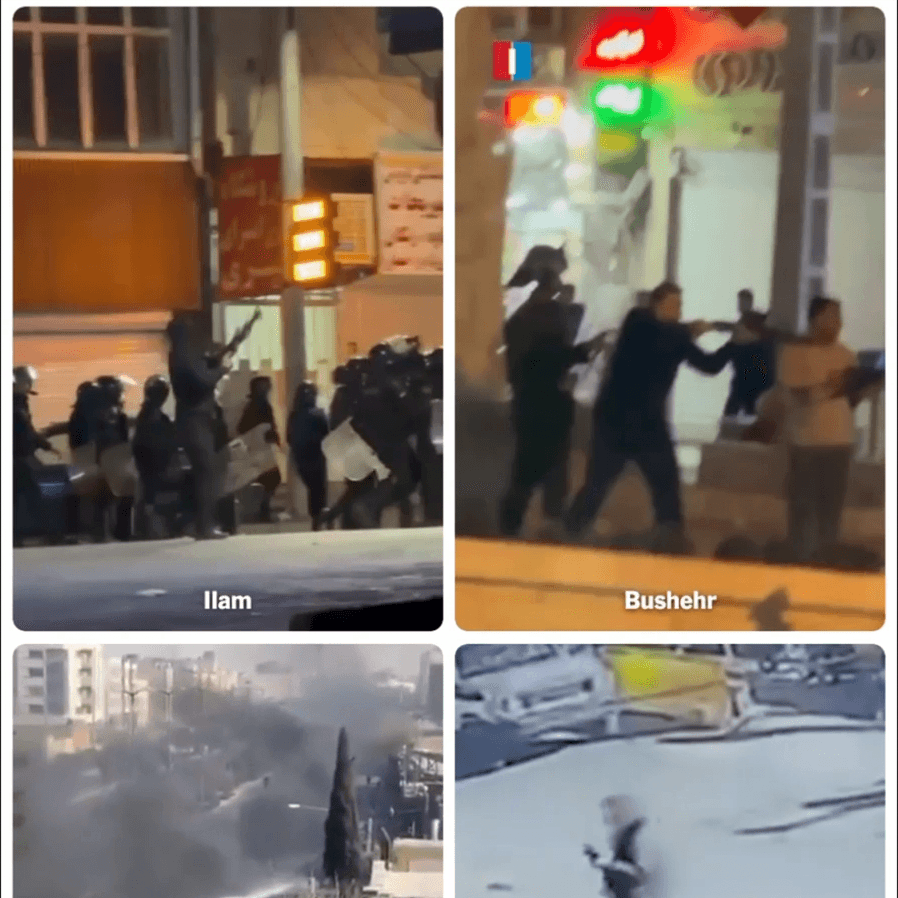
There is a grim routine to the way the world turns these days, particularly when observing the **Iran protest crackdown**. It is a tragic theater where the script never changes, only the actors get younger and the cameras get better. We have just seen a new report, a deep **NYT visual investigation**, detailing exactly how the Iranian regime crushed the recent uprising. They call it a "visual investigation." I call it a high-definition autopsy of a murder that happened while the whole world watched and did nothing.
Let’s be honest about what we are looking at here. The report documents the **Iranian regime suppression** tactics with "breadth and ferocity." Those are fancy words for a very simple, ugly reality. It means the people in charge decided that staying in power was worth any amount of blood. It means that when the people stood up and asked for basic dignity, the government didn't send negotiators or listeners. They sent men with guns, and they told those men to shoot. And shoot they did. Everywhere. All at once.
The investigation proves that these **human rights violations in Iran** weren't an accident. It wasn't a few panicked police officers getting scared in a crowd. No, this was organized. It was efficient. It was the cold, hard work of a state that views its own citizens as an infection that needs to be cut out. The regime moved with a speed that would be impressive if it weren't so horrifying. They shut down the internet, they blocked the roads, and they turned their cities into hunting grounds. It is a level of coordination that usually fails when they try to fix the economy or pick up the trash, but works perfectly when it is time to break bones.
What is truly depressing, in that deep way that makes you want to stare at a wall for an hour, is how much we know. In the old days, tyrants could kill people in the dark. They could hide the bodies and rewrite the history books. But today? We have videos. We have cell phone footage. We have satellite images. The investigation stitches all of this together into a map of suffering. We can see the exact street corner where a teenager lost their life. We can hear the shouting. We can see the smoke.
And what difference does it make? That is the question that keeps me up at night. We have created a world where we can watch a tragedy in real-time, analyze it frame by frame, and prove beyond a shadow of a doubt that a crime against humanity took place. And then? Then we hold a meeting. Then we write a stern letter. Then we go back to buying oil or worrying about the price of gas. The transparency of the digital age hasn't stopped the violence; it has just turned us all into voyeurs. We watch the car crash over and over again, pretending that watching is the same thing as helping.
The regime in Iran knows this. They are cynical, perhaps even more cynical than I am. They know that the West loves a good sad story, but hates to get its hands dirty. They calculated that they could crush this uprising, kill hundreds, arrest thousands, and the world would move on to the next shiny distraction within a week. And they were right. They bet on our short attention spans, and they won. The "ferocity" the report talks about is the result of that bet. They hit hard because they knew no one was going to hit back.
So now, the streets are quiet again. The regime calls this peace. They call it "security." But anyone with half a brain knows that it is just the silence of the graveyard. You can force people to be quiet if you threaten to take everything away from them. You can make a country look stable if you jail everyone who points out that the building is on fire. But that isn't stability. It is just a lid on a pot that is boiling over.
This visual investigation serves as a monument to what happened. It is important, yes. Truth matters. But let’s not pretend it changes the outcome. The uprising was crushed. The bad guys won this round. They used brute force, fear, and bullets against people who only had chants and hope. It is a story as old as time, just with better video quality. The leaders of Iran sit on their thrones, surrounded by guards, thinking they are strong. But a ruler who is terrified of a girl with a camera phone isn't strong. He is just a well-armed coward. And eventually, even the most efficient crushing machine runs out of fuel. But until then, we just watch, and record, and weep.
***
### References & Fact-Check * **Original Investigation**: [How Iran Crushed an Uprising](https://www.nytimes.com/2026/01/27/world/iran-protests-crackdown-eu-india-trade.html) (The New York Times, Jan 27, 2026). * **Key Context**: This article analyzes a visual investigation detailing the strategic use of lethal force and internet blackouts by Iranian security forces to suppress civil unrest.
This story is an interpreted work of social commentary based on real events. Source: NY Times