Gold Price Hits $5,000 Record: A Historic Rally Signaling Global Economic Panic

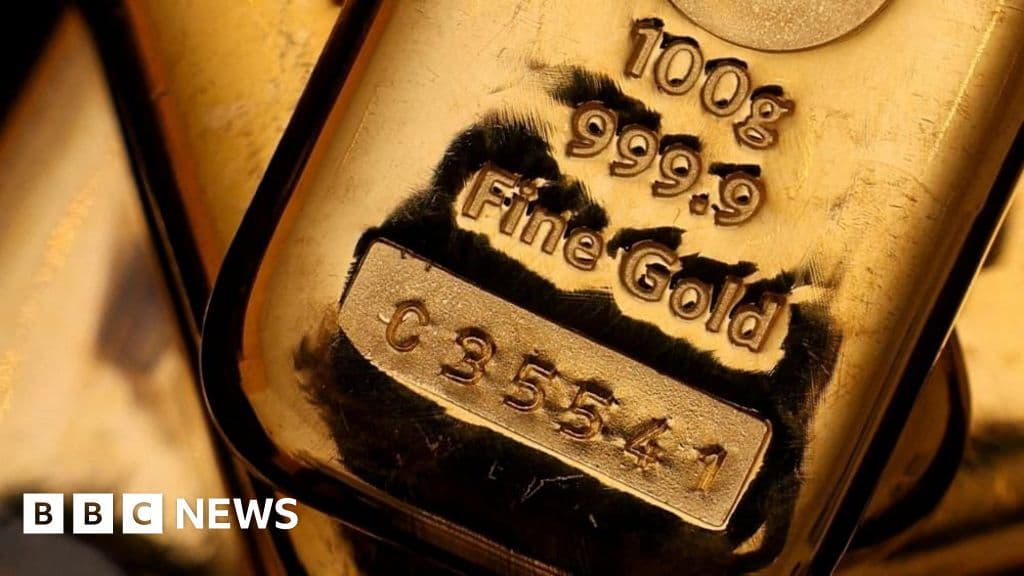
So, here we are. Gold has finally smashed the ceiling. The **gold price hit $5,000** per ounce for the first time in history, marking a definitive moment in what analysts are calling a **historic gold rally**. The news anchors are treating this surge with the breathless excitement of a sports championship, but if you are cheering for this metric, you clearly don’t understand the high-stakes game we are playing.
When the spot price of gold goes parabolic, it doesn’t mean the world is getting richer. It means the world is getting scared. As a traditional **safe-haven asset**, gold is effectively the scoreboard for human panic. A price tag of $5,000 an ounce isn’t a sign of success; it is a giant, flashing neon warning sign that our financial systems are fracturing. It is the ultimate vote of no confidence in central banks and policymakers. It is the market screaming, "We do not trust you anymore."
Let’s look at the data. Experts claim investors accumulate bullion during times of **economic uncertainty**. That is a very polite corporate euphemism for terror. The smart money looks at geopolitical instability, political gridlock, and the endless printing of fiat currency, and they want out. They want to convert their liquid wealth into something a politician cannot destroy with a signature on a bad law.
It is deeply ironic, isn't it? We live in the modern age of artificial intelligence and space travel. Yet, when the volatility spikes, the smartest investors in the room retreat to a heavy, soft metal we started digging out of the dirt thousands of years ago. It shows that for all our technology, human psychology hasn't changed. When we get scared, we grab the shiny rock. We are just cavemen in expensive suits seeking a tangible **inflation hedge**.
The narrative often links this to interest rate environments. Let me translate the macroeconomics for you. Low interest rates often suggest an economy on life support. Central banks flood the world with liquidity to force growth, but the more paper money they print, the less that money is worth. That is basic math. So, when you see the gold price hitting $5,000, what you are actually witnessing is the purchasing power of the dollar dying a slow death. You aren't paying more because the gold changed—it sits there doing nothing. You are paying more because your currency is worth less. That isn't a rally; that is an inflation nightmare dressed up in a golden tuxedo.
This record-breaking valuation also illustrates a stark societal divide. Who is buying gold at $5,000 an ounce? It certainly isn't the family struggling to afford eggs and milk. Regular people are worried about solvency. The rich, however, are worried about capital preservation. While the world feels unstable for the common worker, the wealthy are busy building a fortress out of bullion.
There is a certain dark comedy to these market movements. Buying gold is fundamentally a bet against human progress. You only realize significant gains on gold if fear increases, if governments fail, or if the value of money collapses. To celebrate a high gold price is to celebrate the fact that everything else is going down the drain.
So, spare me the confetti regarding this all-time high. Do not look at the charts and think, "Wow, look how well the market is doing." Look at it and realize what it signifies. It means the uncertainty isn't going away. It means the "safe haven" is the only place left to hide. A $5,000 gold price is a tombstone for optimism. It is proof that in the theater of the absurd, the audience has finally realized the actors have no idea what they are doing, and everyone is rushing for the exits.
***
### References & Fact-Check * **Primary Source**: [Gold tops $5,000 for first time ever, adding to historic rally](https://www.bbc.com/news/articles/cvgd8kj2y2po?at_medium=RSS&at_campaign=rss) - *BBC News* * **Context**: Gold is historically viewed as a store of value and a hedge against inflation and currency devaluation during periods of market volatility.
This story is an interpreted work of social commentary based on real events. Source: BBC News