France Panics as Philippe Collin's Podcast Exposes the "Uncomfortable" History of Vichy
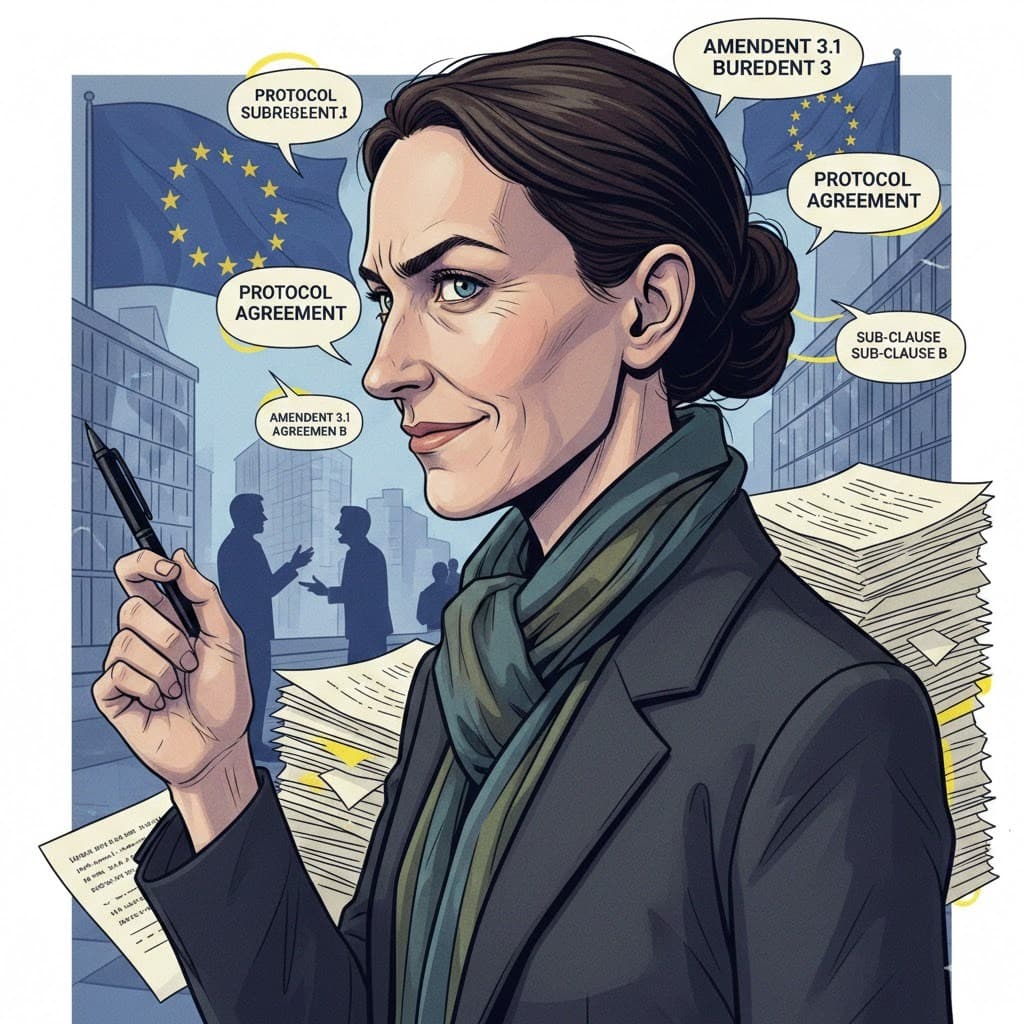
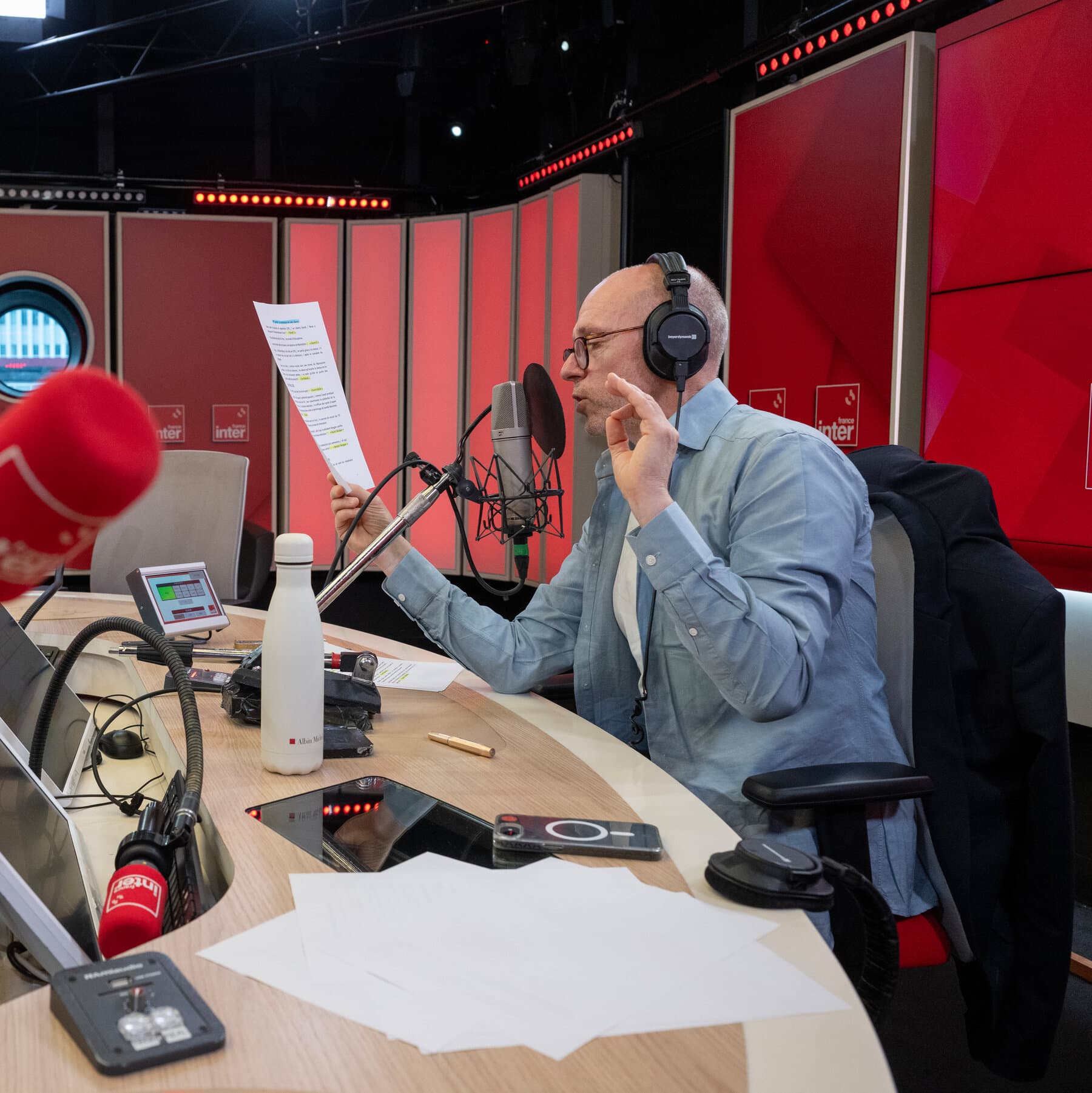
It is deeply amusing, in a tragic sort of way, to watch a nation suddenly decide to pay attention to its own history. Usually, countries treat their past like a crazy uncle locked in the attic—everyone knows he is there, making noise, but nobody wants to go upstairs and actually talk to him. But now, thanks to the viral success of the **Philippe Collin history podcast**, millions of people are putting on headphones to do exactly that. They are not listening to true crime stories or influencers selling diet tea. No, they are listening to the France Inter host talk about the darkest, most embarrassing moments of the French soul.
For those of us who watch the world with a glass of wine and a heavy sigh, this is a fascinating development for content engagement. The news tells us that Mr. Collin is dominating the charts with audio documentaries about the "uncomfortable" parts of history. That is a polite, SEO-friendly way of saying he is talking about the times France messed up. Badly. We are talking about the years when the government shook hands with the bad guys during World War II. We are talking about the ghosts of **Léon Blum** and **Marshal Pétain**. These are not bedtime stories. These are the **Vichy France** ghosts that the nation usually tries to drown in champagne.
It is truly rich. For decades, the national story in France was simple. Everyone was a hero. Everyone fought in the Resistance. If you asked any French person in the 1960s or 70s what their grandfather did during the war, the answer was always the same: he was blowing up train tracks and saving freedom. Statistically, this is impossible. If that many people were in the Resistance, the war would have ended in a weekend. But human beings love a good fairy tale. We love to pretend our ancestors were saints so we can feel better about being mediocre ourselves.
But here comes this podcaster, quietly taking apart the fairy tale, brick by brick. And the shock is not that he is doing it. Historians write boring books about **French collaboration** and **WWII history** all the time, and those books gather dust in university libraries. The shock is that the people are listening. Millions of them. They are tuning in to hear long, complicated stories about political betrayal and moral failure. In an era where the average attention span is shorter than a goldfish's memory, this is almost a miracle. It seems the French are tired of the short, loud lies of social media and are craving the long, painful truth instead.
Why now? That is the question that tickles my cynical brain. Why are people suddenly obsessed with the failures of the 1940s? Perhaps it is because the politicians of today are such disappointments that looking at the disasters of the past feels familiar. It is comforting, in a twisted way. You look at the mess of the world today—the incompetence, the shouting, the lack of vision—and you think, "Well, at least we aren't Vichy France." It is a low bar, but it is the only bar we have left.
There is also something very French about this phenomenon. In America, if you want to deal with the past, you tear down a statue or scream on Twitter. In France, apparently, you listen to a ten-part audio series that deconstructs the nuances of administrative evil. It is very sophisticated. It is very intellectual. It allows you to feel smart while you are feeling bad. You can sit in a café, looking moody, knowing that you are engaging with "complex historical narratives." It is the ultimate accessory for the depressed European.
Philippe Collin has found the magic formula. He speaks calmly. He does not shout. He brings the dead back to life not as monsters, but as people. This is the most dangerous thing of all. When you realize that the people who ruined the country were just men—scared, ambitious, or deluded men—it makes the whole thing scarier. Monsters are rare. Weak men in suits are everywhere. You can probably see three of them if you look out your window right now.
Of course, we must ask if this will actually change anything. I doubt it. That is the beauty of history; we learn it so we can recognize our mistakes as we make them again. The French public is devouring these podcasts, nodding their heads, and saying, "Ah, yes, never again." And then they will go to the voting booth and vote for the modern versions of the same old characters. But for a brief moment, between the cigarette breaks and the strikes, a country is actually thinking. It is looking in the mirror and seeing the ugly scars it tried to hide with makeup. It won't last, but it is entertaining to watch while it happens.
***
### References & Fact-Check * **Source Event**: This satirical piece is based on the real popularity of Philippe Collin's historical podcasts in France, particularly his series on Léon Blum, Louis-Ferdinand Céline, and Philippe Pétain. * **Original Reporting**: For the full context on Collin's impact on French historical discourse, read the New York Times article: [The Podcaster Poking at France’s Biggest Secrets](https://www.nytimes.com/2026/01/25/world/europe/philippe-collin-france-podcast-history-world-war-ii.html) (Jan 25, 2026). * **Historical Context**: The article references the "Vichy Syndrome," a term coined by historian Henry Rousso regarding France's struggle to acknowledge the collaborationist Vichy regime (1940–1944).
This story is an interpreted work of social commentary based on real events. Source: NY Times