The Great 2026 Migration of the Damned: Pay More to Feel Special, Pay Less to Be Cargo
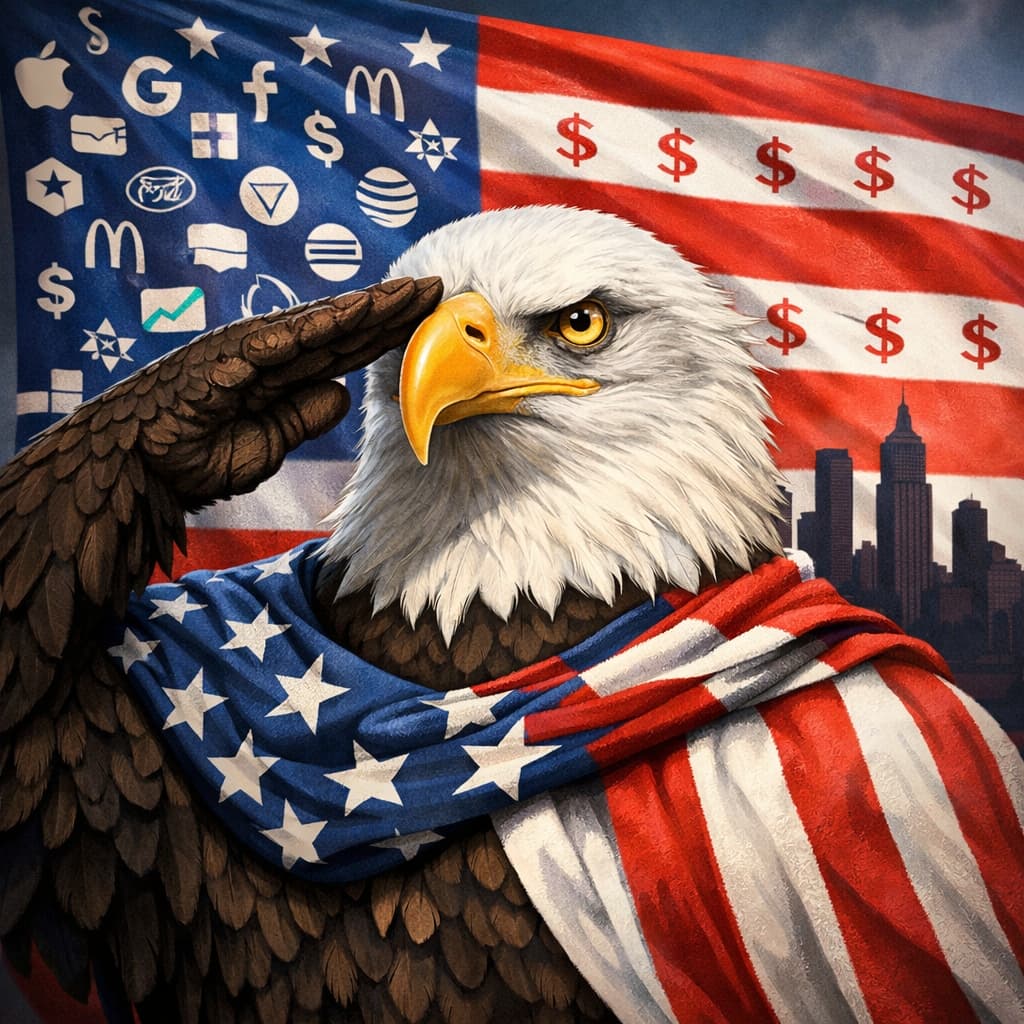
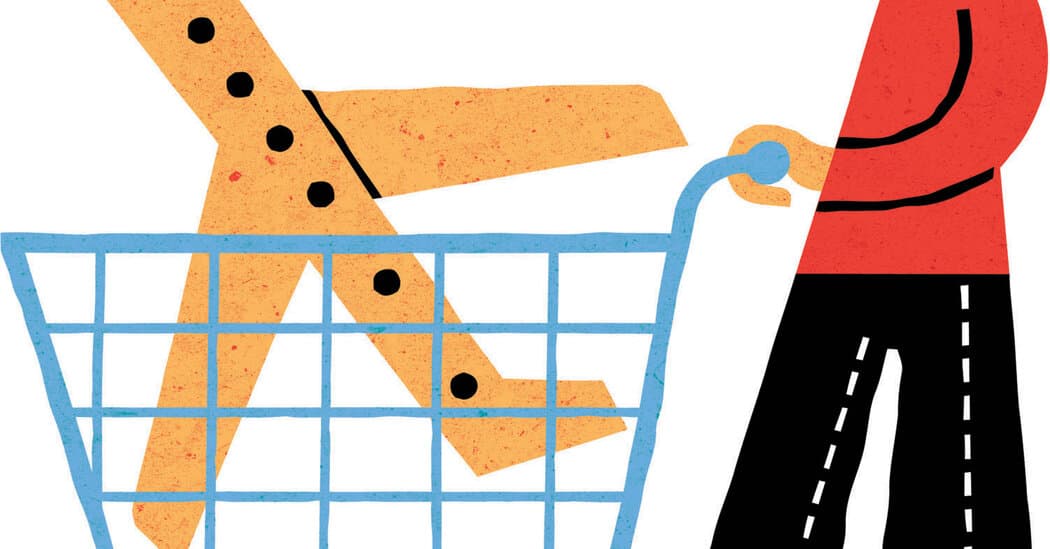
The year 2026 arrives not with a bang, but with a series of confusingly priced invoices. According to the latest forecasts for the travel industry, the global ledger is splitting in two, creating a bipolar economic reality that would be fascinating if it weren’t so pathetically predictable. On one side, we have the ‘luxury’ traveler—that thin, oily crust of the population whose primary personality trait is 'having more than you.' On the other, we have the ‘budget’ traveler, a demographic currently being lured into a false sense of security by slightly lower prices, unaware that they are essentially being treated as sentient cargo. It is a masterpiece of market segmentation designed to ensure that everyone, regardless of their net worth, remains equally miserable in their own curated circle of hell.
Let us first examine the 'luxury' segment, where prices are skyrocketing. To the uninitiated, this might look like inflation or a supply chain hiccup. To the discerning eye of a non-journalist, however, it is a blatant tax on narcissism. The travel industry has realized that the modern aristocrat—the venture capitalist, the lifestyle influencer, the trust-fund activist—doesn’t actually care about the quality of the destination. They care about the height of the fence. By jacking up prices, airlines and resorts are not providing 'better' service; they are simply providing the warm, fuzzy feeling of exclusivity. If you pay ten times more than the person in the seat behind you, you can pretend that your oxygen is cleaner. It is a magnificent grift. These travelers will pay a premium for 'curated experiences' that are nothing more than the same old tourist traps, just with fewer poor people in the background of their Instagram photos. The industry knows these people have more money than gray matter, and in 2026, they are finally moving to harvest that crop with surgical precision.
Then we have the 'budget' traveler, who is supposedly getting a 'break.' This is the kind of news that the performative Left will hold up as a win for 'accessibility,' while the moronic Right will herald it as a triumph of the free market. Both are wrong. A price drop in the budget sector isn’t a gift; it’s a symptom of a race to the bottom that has finally reached the subterranean levels of human dignity. If your flight to a mold-infested resort in a dying coastal town is cheaper this year, it’s only because the industry has successfully automated every remaining vestige of human interaction and stripped the seats down to the bare plastic. You aren't a guest; you are a data point with a carry-on bag. The 'savings' you’re enjoying are simply the dividends of your own obsolescence. The budget traveler of 2026 is being subsidized by their own willingness to be treated like an inconvenience. It’s a delightful irony: as the rich pay more to be seen, the poor pay less to be ignored.
This 'all over the map' pricing strategy is a perfect microcosm of our broader cultural decay. We have become a society that cannot even go on vacation without reinforcing our tribal affiliations and class anxieties. The politicians, those toxic, useless grifters who occupy our screens, will naturally find a way to make this about their own vapid agendas. The Left will issue sternly worded press releases about the carbon footprint of the luxury elite—while simultaneously booking their own 'fact-finding missions' to the South of France. The Right will scream about the 'death of the middle class' while voting for the very deregulation that allows airlines to treat passengers like sardines in a pressurized tin can. Neither side actually cares that the simple act of moving from Point A to Point B has become an exercise in psychological warfare. They are too busy measuring their own relevance in retweets and campaign contributions.
Ultimately, the 2026 travel forecast reveals a deeper truth about the human condition: we are a species that has forgotten how to be still. We are so desperate to escape our own mediocrity that we will pay any price—or accept any indignity—just to be somewhere else. The luxury traveler pays to feel superior; the budget traveler pays to feel mobile. Neither realizes that once they land, they will still be the same hollow shells they were when they took off. The destination doesn’t matter. Whether you are drinking a $200 glass of champagne in a private villa or a $4 lukewarm soda in a crowded terminal, you are still just another participant in the global economy’s favorite game: The Extraction of Hope. So, by all means, book your tickets. Whether you’re paying a premium to be pampered or a pittance to be processed, the house always wins, and the house is currently laughing at you.
This story is an interpreted work of social commentary based on real events. Source: NY Times