Big Tech Addiction Trial: Why the Lawsuit Against Meta, TikTok, and Google Exposes the 'Digital Drug' Economy

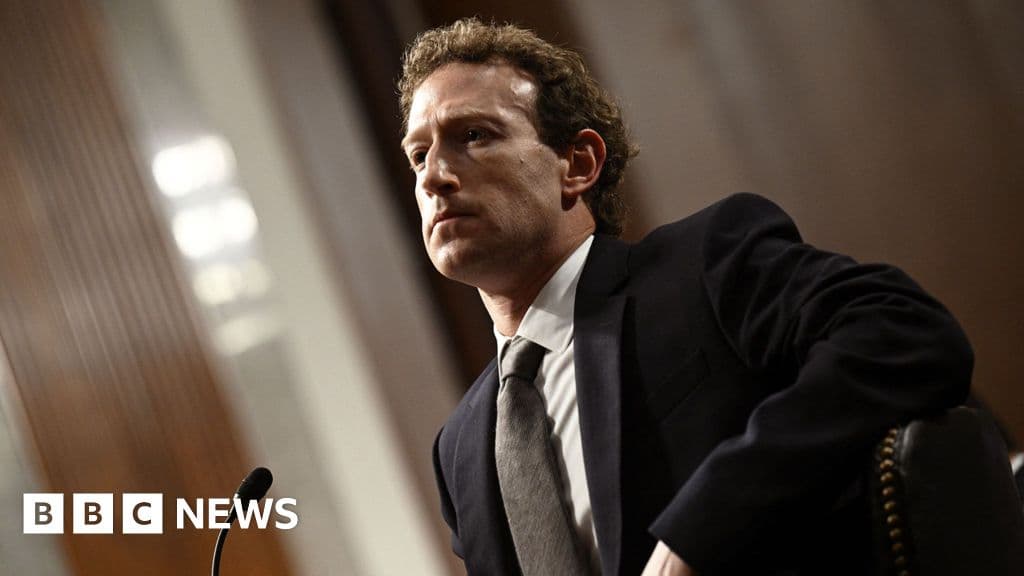
Here we go again. The curtain is rising on another act of the great American theater of the absurd, and the SEO volume on this topic is skyrocketing. This time, the villains are the Tech Giants in a massive <strong>Big Tech social media addiction trial</strong>. You know the names dominating the SERPs: Meta (Instagram/Facebook), ByteDance (the frantic puppet-masters behind TikTok), and Google (YouTube). They are being dragged into court for a landmark lawsuit. The accusation? That their apps are addictive by design, that they wreck <strong>youth mental health</strong>, and that they hook kids like fish on a line to boost time-on-site metrics.<br><br>It is enough to make you laugh, if the analytics weren't so incredibly bleak. The headline screams about this like it is some shocking new discovery. It treats the addictive nature of <strong>social media algorithms</strong> as if it were an accident, a glitch in the system that these poor, misunderstood billionaires just didn't notice. But let us be honest: We are not watching a trial about a mistake. We are watching a trial about a high-retention business model.<br><br>For years, Silicon Valley has sold us a lie optimized for user acquisition. They told us they were building "communities." But behind the scenes, they were hiring the best psychologists and behavioral experts money could buy. Their goal wasn't to make you happy; it was to maximize <strong>user engagement</strong> and keep your eyes glued to the screen. Every color, every sound, every notification badge was chosen to give your brain a tiny hit of dopamine. It is the same trick casinos use. You never know if you'll see a funny cat or a fight, so you keep swiping.<br><br>Now, the lawyers are circling, comparing Big Tech to Big Tobacco. They say these companies knew their products were harmful to kids but prioritized growth over safety. And they are absolutely right. If you sell infinite scrolling videos, you know people will stop paying attention to real life. But the cynicism of this trial is not just about the companies. It is about us, too.<br><br><br><br>Society is acting self-righteous, pointing fingers at Mark Zuckerberg while pretending we are the victims. But who bought the phones? We treated these devices like free babysitters to optimize our own parenting downtime. We let the algorithms raise a generation because it was convenient. Now that we see the result—anxiety, depression, and zero attention span—we want to sue the babysitter.<br><br>Let's look at the accused. Meta is constantly trying to copy trending features. Their platforms are machines for inducing social comparison. TikTok is a weapon of mass distraction, feeding you content faster and faster. And YouTube is the rabbit hole that never ends. The courts will try to fix this with a <strong>social media regulation</strong> lawsuit, but it is like trying to stop a tidal wave with a spoon. By the time this trial is over, there will be a new app and a new way to harvest our attention.<br><br>So, what will happen? It will end with a settlement. The tech giants will pay a fine that sounds huge to us but is just a rounding error on their balance sheets—the cost of doing business. They will promise to "do better," add a warning label deep in the settings, and nothing will fundamentally change. The infinite scroll will keep scrolling. The trial isn't a solution; it's just another show to watch on your phone.<br><br><h3>References & Fact-Check</h3><ul><li><strong>Primary Source:</strong> <a href="https://www.bbc.com/news/articles/c24g8v6qr1mo?at_medium=RSS&at_campaign=rss">Tech giants face landmark trial over social media addiction claims</a> (BBC News)</li><li><strong>Key Entities:</strong> Meta (Instagram/Facebook), ByteDance (TikTok), Alphabet (Google/YouTube).</li><li><strong>Context:</strong> This trial consolidates hundreds of lawsuits alleging these platforms were deliberately designed to hook young users, drawing legal parallels to historical litigation against tobacco companies.</li></ul>
This story is an interpreted work of social commentary based on real events. Source: BBC News