The Optimized Visage: Why Your Face is Now a Sinking Asset Class
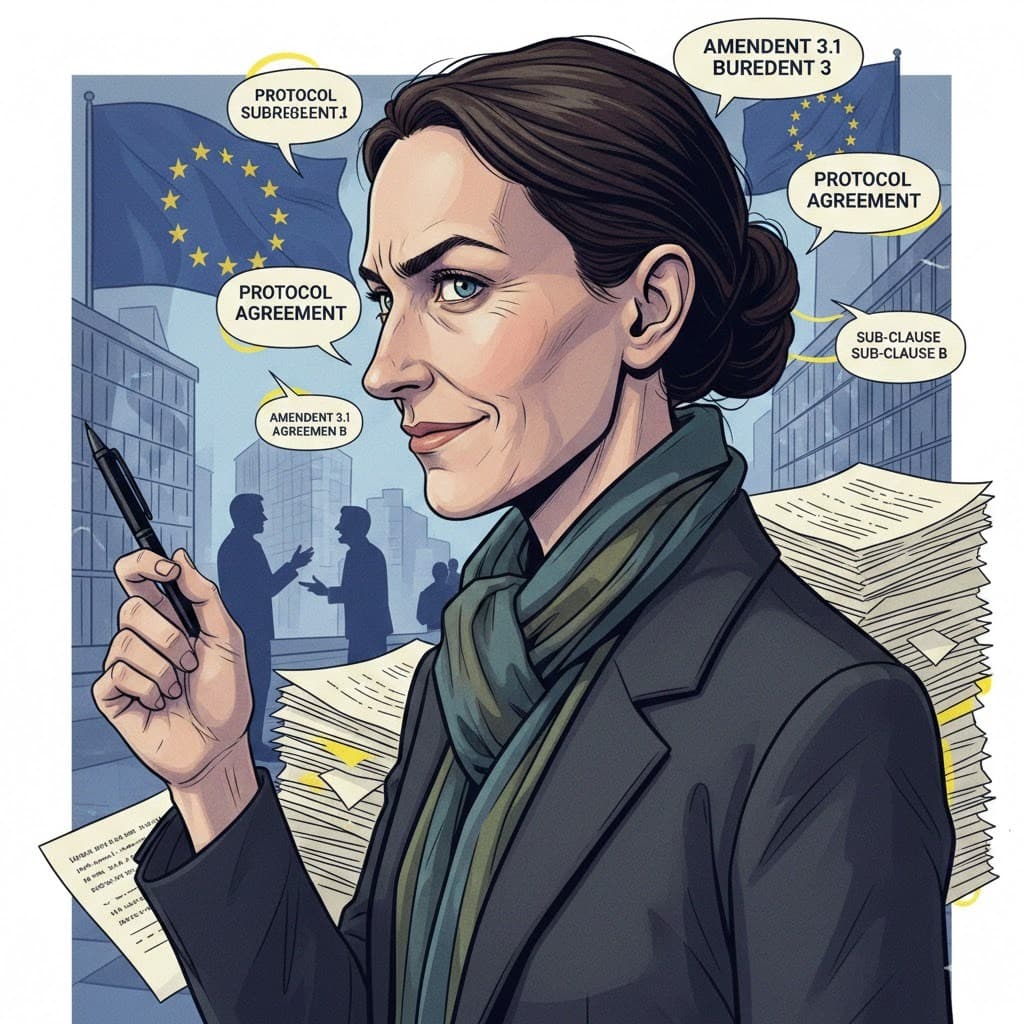
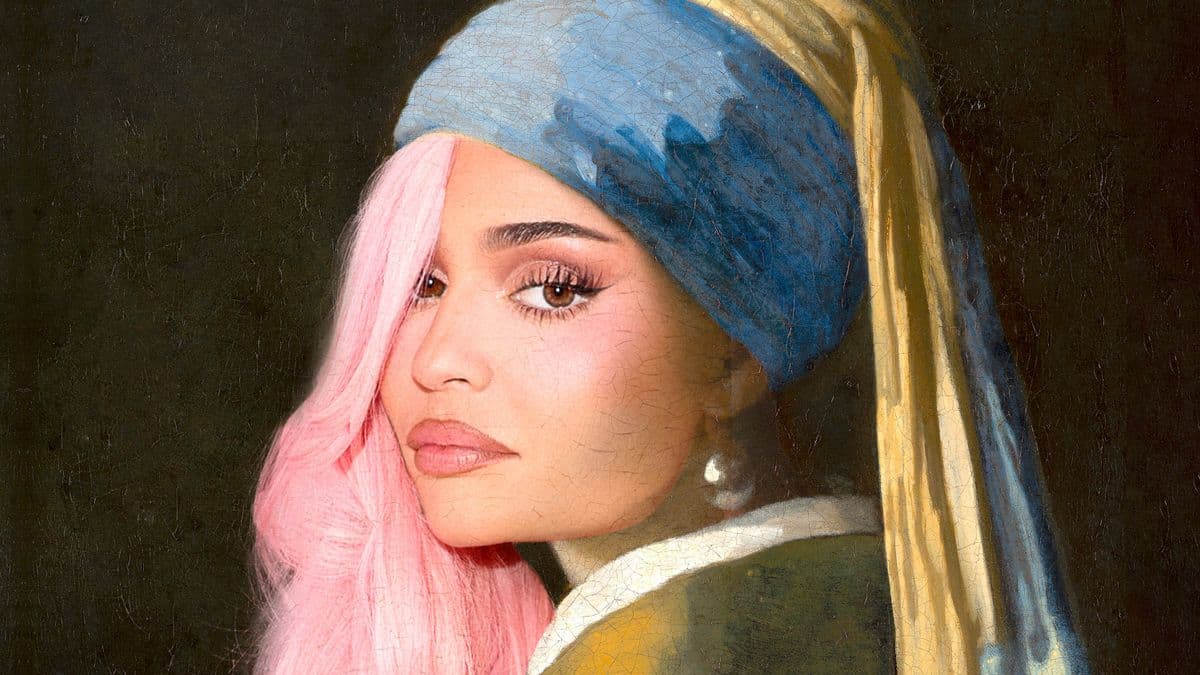
In the grand, rotting theater of the twenty-first century, we have finally found a way to make the natural aging process not just a tragedy, but a breach of contract. One must admire the sheer, unadulterated efficiency with which the modern human has managed to commodify their own epidermis, transforming the simple act of existing into a high-stakes game of aesthetic risk management. The beauty boom is not merely a surge in department store sales; it is a hostile takeover of the human identity by the forces of venture capital. We no longer possess faces; we possess 'brands' that require constant maintenance, software updates, and occasional structural reinforcement via the needle.
The sermon of this new religion begins not in the cathedral, but in the sterile, white-tiled injection clinic. Here, the new priesthood—clad in designer scrubs and wielding syringes of botulinum toxin—promises a secular salvation. The original sin is the wrinkle; the hell is the loss of marketability. We are told that these procedures are acts of self-care, a term that has been hollowed out until it means little more than 'preparing oneself for further exploitation.' It is a fascinatingly hollow theology where we have traded the salvation of the soul for the perpetual suspension of the jowl. There is a specific, surgical precision to this devotion, where the congregants are willing to endure physical pain for the chance to look like a filtered version of their own ghost.
The great irony of this aesthetic 'revolution' is its move toward absolute, crushing uniformity. While the marketing brochures sing hymns to individuality and 'finding your true self,' the clinical reality is the production of a singular, global template. It is the architectural brutalism of the human visage. Whether in London, New York, or Seoul, the goal is the same: the high-cheekboned, cat-eyed, pillowy-lipped mask that signals one thing above all else—affluence. We are witnessing the death of the eccentric. The unique crookedness of a nose or the expressive depth of a furrowed brow are being smoothed away as if they were unsightly bugs in a software update. In our quest to look like the best version of ourselves, we have all ended up looking like the exact same person, a carbon copy of a copy that was never quite real to begin with.
And then there is the stress—the fuel that keeps this grotesque machine humming. The modern subject must work sixteen-hour days to afford the very treatments required to hide the fact that they are being worked to the bone. It is a closed-loop system of exhaustion and aesthetic repair. We are vibrating with the anxiety of being 'found out'—of letting the mask slip and revealing the tired, aging human beneath. This is the new currency: a face that looks like it has never known a moment of hardship, precisely because that face is the only thing standing between the individual and economic obsolescence. In a world where your digital presence is your primary existence, your pores are essentially your credit score. If they are visible, you are failing.
Historically, the court of Louis XIV had its lead-based powders and towering wigs, a physical manifestation of power and a deliberate detachment from the mud of the commoners. But at least they had the decency to be overtly ridiculous. Our modern court of influencers and tech-elites prefers the 'natural' look—a look that, coincidentally, costs thirty thousand dollars a year to maintain. It is a more insidious form of gatekeeping. It suggests that health, youth, and radiance are moral choices, and if you fail to maintain them, you are simply lazy or under-capitalized. We have built a world where the elite are polished to a high sheen, while the rest are left to decay in high definition.
Ultimately, the beauty boom is the final victory of the market over the biological. We have optimized our transit, our diets, and our portfolios; it was only a matter of time before we optimized our own expressions into oblivion. We sit in waiting rooms, clutching our phones, scrolling through photos of people who have already undergone the transition, waiting for our turn to be rendered flawlessly unreadable. We are carving ourselves into statues while we are still alive, terrified that if we stop for a moment, the world will see us for what we actually are: fragile, fleeting, and utterly, beautifully unremarkable. But at least the gloss will be perfect when the curtain finally falls on this absurd performance.
This story is an interpreted work of social commentary based on real events. Source: Der Spiegel