The Digital Altar: Why Your 2026 Wi-Fi Guide is Just Ritualized Despair for the Lobotomized Masses

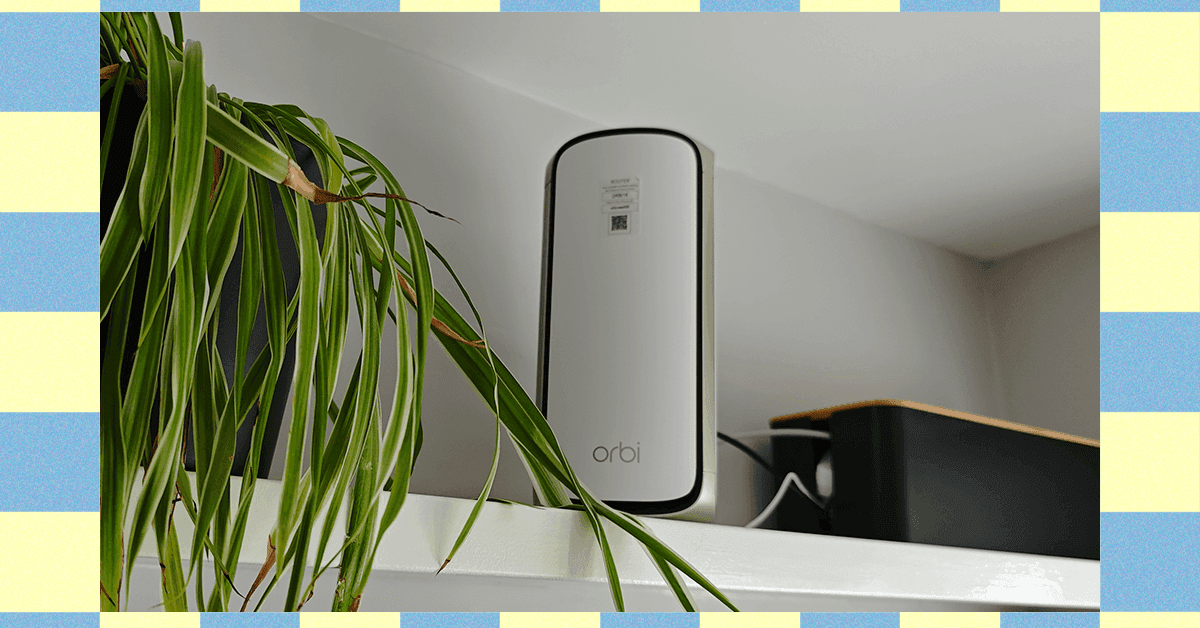
Welcome to 2026, a year we were promised would be a shimmering utopia of post-scarcity and technological transcendence, but which has instead delivered us exactly where we deserve to be: kneeling on a dusty carpet, frantically unplugging and re-plugging a plastic box while weeping. The latest 'expert' guide on how to fix your Wi-Fi problems has arrived, and it is less a manual for connectivity and more a suicide note for human dignity. We are a species that has split the atom and mapped the genome, yet we remain entirely subservient to a flickering green light on a router manufactured by a company that views its customers with the same level of respect a slaughterhouse reserves for its cattle.
This 'expert' advice—a collection of platitudes so thin they barely constitute thought—reminds us that the 'magic internet box' is the central deity of the modern household. If the magic stops, the family unit dissolves. The children become feral; the adults realize they have nothing to say to one another; the performative activists on the Left lose their ability to signal virtue to the void, and the mouth-breathing conspiracists on the Right lose their pipeline of curated rage. Without the Wi-Fi signal, we are forced to face the horrifying reality of our own company, which is perhaps why these troubleshooting guides are read with the fervor of holy scripture.
The guide suggests the 'power cycle'—the industry’s favorite euphemism for 'turn it off and hope the hardware forgets how much it hates you.' This is the digital equivalent of hitting a dying horse to see if it’ll give you one last gallop. In 2026, we are still using the same solution we used in 1998: total systemic failure followed by a desperate reboot. It is a staggering indictment of our supposed progress. We have billionaire narcissists launching cars into orbit and 'disrupting' transportation with tunnels that are just worse versions of subways, yet no one can ensure that a signal travels thirty feet through a drywall partition without suffering a nervous breakdown.
Then we have the 'placement' advice. The experts tell you to move your router to a 'central location.' This assumes, of course, that the average debt-ridden serf living in the 2026 economy has a home with a 'center' rather than a cramped, overpriced pod where every location is simultaneously a kitchen, a bedroom, and a site of existential dread. The ISP cartels—those bloated, rent-seeking monsters that control the Economy with all the grace of a medieval guild—have designed this ecosystem to fail. They sell you 'gigabit' speeds while delivering a trickle, knowing full well that your 'magic box' is a piece of planned-obsolescence garbage. They aren't selling you internet; they are selling you the frustration of its absence, followed by the temporary relief of its return. It’s a classic abusive relationship, subsidized by a government that is too busy debating which brand of authoritarianism looks better on camera to actually regulate a utility that is as essential as water.
The guide also delves into the 'interference' from other devices. Your microwave is apparently a mortal enemy to your Zoom call. In the grand hierarchy of 2026 technology, the device that heats your frozen sadness-meal has more physical authority than the device that connects you to the collective knowledge of humanity. This is the ultimate irony: we have built a world so cluttered with 'smart' junk—fridges that Tweet, toothbrushes that track your 'brushing data,' and lights that require a firmware update—that we have effectively jammed our own frequency. We are drowning in our own noise. The Left screams for more regulation to fix the 'digital divide' while ignoring the fact that the divide is the only thing keeping some people sane, and the Right demands the 'free market' fix it, as if the market isn't exactly what gave us a $300 router that dies if you look at it with a skeptical expression.
Ultimately, these Wi-Fi fixes are a form of shamanism. We move the antennas like we’re casting spells; we check the cables like we’re reading entrails. We do all of this to stay connected to a digital landscape that is ninety percent bot-generated sludge and ten percent humans screaming into a hurricane. The guide promises to get you 'back online and stay there,' but it never asks the more pertinent question: why would you want to? To stay online in 2026 is to remain tethered to the very systems that are harvesting your attention and selling it back to you in the form of targeted ads for the same router you’re currently trying to fix. The only real 'expert fix' for your Wi-Fi problems is a heavy sledgehammer and a walk in the woods, but we both know you’re too addicted to the glow to ever actually do it. So, go ahead. Restart the box. Wait for the lights. Your lobotomy will resume shortly.
This story is an interpreted work of social commentary based on real events. Source: Wired