US Sanctions on Rwanda: The Collapse of the Trump Peace Deal and the Art of the Broken Script

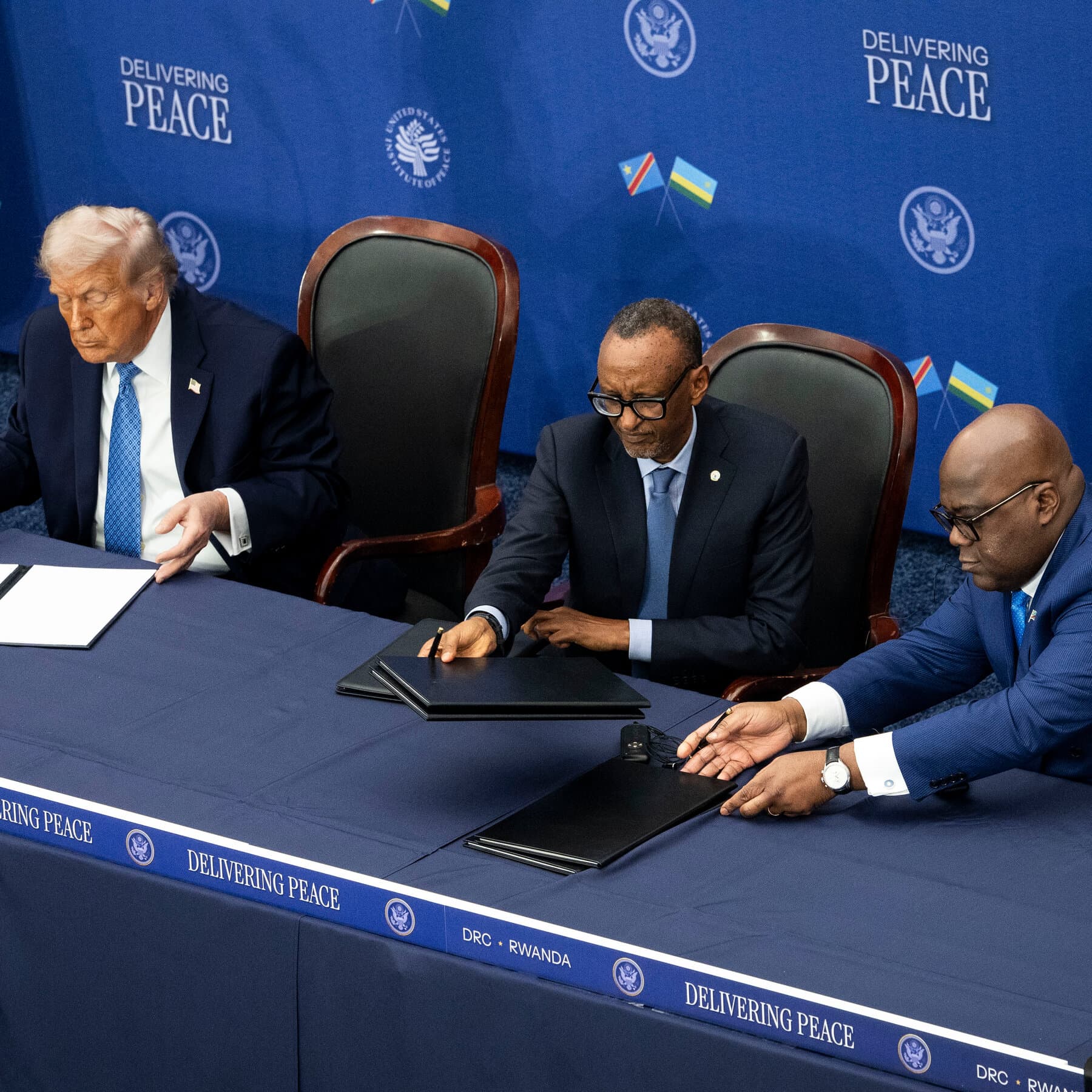
It is truly touching to witness the shock of Washington politicians when the real world refuses to follow their script. From comfortable offices thousands of miles away from the mud and noise of the M23 conflict, they draw up plans on fancy paper. They sign these plans with expensive pens, call it a “Peace Deal,” and expect applause. But when the reality on the ground shifts, the US sanctions on Rwanda follow swiftly. It is the arrogance of the powerful, and right now, that arrogance is being directed squarely at Kigali.
The United States has decided to punish Rwanda. The official term is “sanctions,” but let’s call it what it is: a diplomatic temper tantrum. The U.S. government claims that Rwanda is responsible for ruining a Trump peace deal that was supposed to be the magic wand for the region. Because the fighting did not stop, someone has to be blamed. In the eyes of the Americans, that someone is Rwanda. They claim Rwanda “sabotaged” the effort, implying a secret, villainous plot where peace was snatched away at the last second.
This is how US foreign policy in Africa often operates. They view complex, messy, decades-old conflicts as simple business transactions. You sign the contract, you deliver the goods. If the goods aren't delivered, you get sanctioned. The sanctions are meant to hurt financially, cutting off money and resources. It is a way of saying, “Do what we say, or we will make your life harder.” It is not about justice; it is about obedience.
Of course, Rwanda is not sitting quietly in the corner. Their government has fired back, claiming the US sanctions are unfair and that Washington is targeting only one side of the conflict while ignoring everyone else. In a cynical world, they might have a point. In any fight as long and ugly as this, there are rarely any pure saints. But Washington doesn't do nuance. It is much easier to pick one bad guy and point a finger.
Rwanda’s defense is the classic playground argument, but it exposes the absurdity of the American position. By singling out one party, the U.S. simplifies a situation that is impossible to simplify. They turn a tragedy into a scorecard. The saddest part of this entire theater is that none of it actually helps the people living through the chaos. Sanctions are a tool of bureaucrats—paperwork and bank freezes. They satisfy the urge of politicians to feel like they are “doing something,” but they do not stop bullets or feed hungry families.
The deal has failed because these deals almost always fail when built on ego rather than ground reality. The U.S. is angry its project collapsed; Rwanda is angry at being singled out. It is a cycle of blame that keeps the diplomats busy while nothing actually changes.
<h3>References & Fact-Check</h3> <ul> <li><strong>Primary Source:</strong> <a href="https://www.nytimes.com/2026/03/02/world/africa/rwanda-sanctions-trump-peace-m23.html">U.S. Slaps Sanctions on Rwanda, Saying It Sabotaged Trump Peace Deal</a> (NY Times)</li> <li><strong>Context:</strong> This article analyzes the diplomatic fallout following allegations that Rwanda undermined US-brokered peace efforts in the region.</li> <li><strong>Key Topics:</strong> US-Rwanda Relations, Trump Administration Foreign Policy, International Sanctions.</li> </ul>
This story is an interpreted work of social commentary based on real events. Source: NY Times