US Annexation of Canada: Dara Vandor’s Speculative Art Series at Western University Challenges Sovereignty
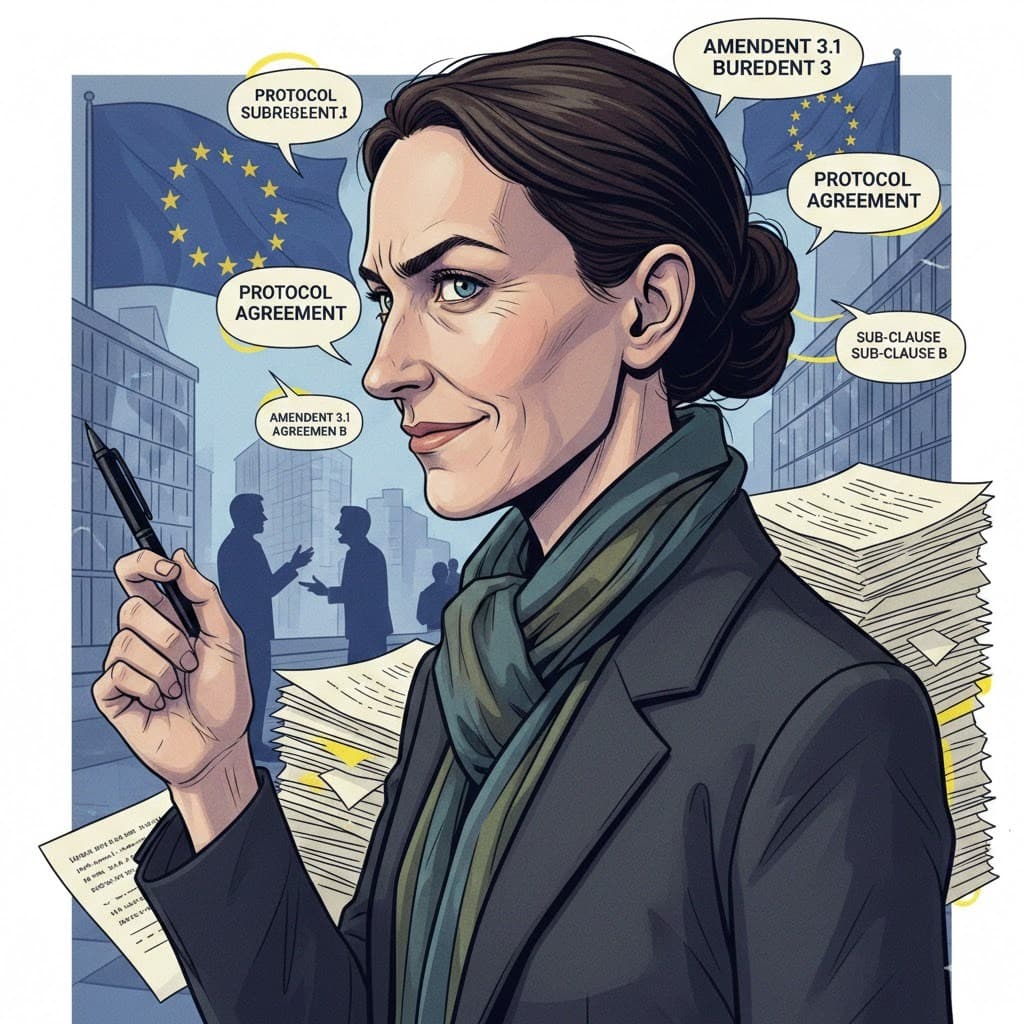
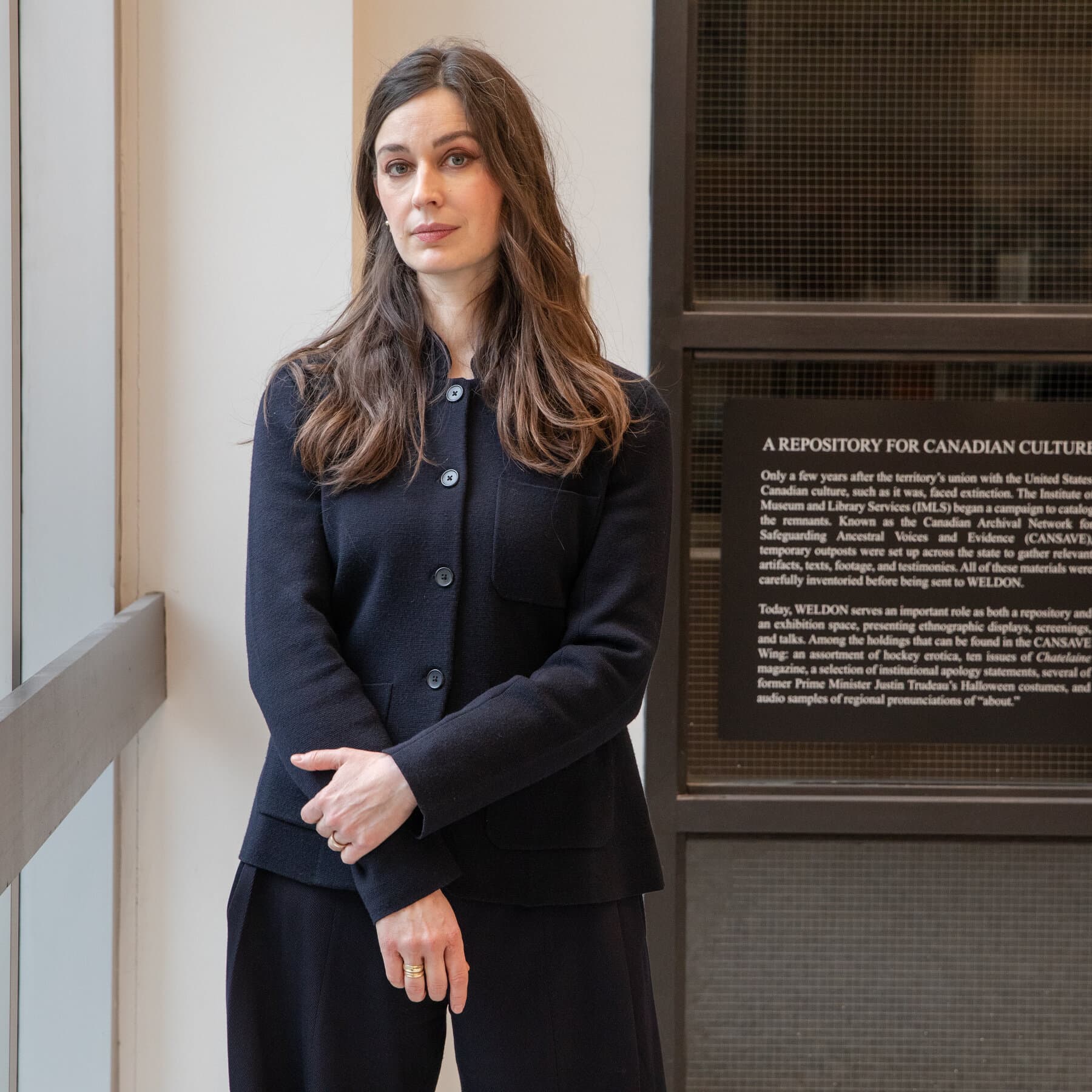
<p>There is a controversial new <strong>art exhibition at Western University</strong> that promises to send a shiver down the spine of every polite Canadian. It is a <strong>speculative series</strong> by <strong>Toronto artist Dara Vandor</strong> that imagines a world where the United States has finally executed a full <strong>US annexation of Canada</strong>. The artist started this project in the streets, pasting posters on alley walls and tennis court fences, whispering the scary story to passersby. Now, it has moved indoors, into the clean, safe halls of a university gallery. The art suggests a future where the maple leaf is replaced by the stars and stripes, and Ottawa takes orders from Washington.</p><p>To this, I have to ask: do we really need an art gallery to tell us this? It is adorable, really. It is cute that we still pretend there is a functional difference between the two countries beyond the color of the money and the quality of the healthcare. <strong>Dara Vandor’s art</strong> is playing on a very specific, very deep Canadian fear. It is the fear of the loud, messy neighbor finally knocking down the fence and moving into the spare bedroom. But let us be honest with ourselves for a moment. This fiction is about thirty years too late.</p><p>Walk down any street in Toronto. Or Vancouver. Or Montreal. What do you see? You see American coffee shops. You see American clothing brands. You look at the phones in people's hands, designed in California. You listen to the conversations, and they are talking about American politics, American movies, and American celebrities. The annexation happened a long time ago. It just didn't happen with tanks and soldiers marching down Yonge Street. It happened with cheeseburgers, streaming services, and online shopping. The cultural takeover was silent, efficient, and welcomed with open arms by the very people now looking at this art and gasping in horror.</p><p>The artist uses the visual language of authority to make his point. He creates official-looking notices and heavy, bureaucratic text. It is meant to look like history in the making. It chills the blood because it looks so real. But that is the tragedy of our modern world. Reality has become so absurd that you cannot tell the difference between a fake poster and a real government decree. If a real press release came out tomorrow saying the U.S. had bought Alberta for a handful of trade deals and a pipeline, half of us would just shrug and go back to scrolling through our phones. We are numb. The art tries to wake us up, but we are too tired from watching the real world fall apart to care about a fake one.</p><p>And let us look at the other side of this imaginary border. The United States. The "conqueror." Have you seen the state of things down there? The idea that the American government could successfully organize the annexation of a massive country like Canada is the funniest part of the whole joke. They can barely agree on how to keep their own lights on. They fight over everything. The political theater in Washington is a circus where the clowns are running the show and the audience is on fire. The idea that they would want to take on the headache of managing Canada—with its metric system and its French speakers and its obsession with hockey—is laughable. They do not want the land. They just want the money. And they already have that.</p><p>This art series started in the alleys. That is where protest art belongs, usually. It feels gritty and dangerous. It feels like a secret rebellion. But now that it is hanging in a gallery at a nice university, it has lost its teeth. It has become safe. It is something for intellectuals to look at while sipping wine and nodding thoughtfully. They will talk about "sovereignty" and "identity" and "imperialism." Then they will get into their American cars and drive home to watch American television. It is a performance. We love to pretend we are the victims of a big, bad empire, because it makes us feel important. It makes us feel like we have something worth stealing.</p><p>The show is described as "chilling." I suppose it is, in the way a ghost story is chilling. It scares you for a moment, but then you turn on the lights and realize the house is empty. The scary monster isn't coming to get you. The scary monster is already inside your head, telling you what to buy and how to think. The artist has done a good job of holding up a mirror to our anxieties. We are terrified of losing our identity. But you cannot lose what you have already sold.</p><p>So, by all means, go see the show. Look at the scary posters of a United States of North America. Shiver at the thought of losing your independence. Enjoy the little thrill of fear. But do not fool yourself into thinking this is a warning about the future. It is just a receipt for the past. The deal is done. The ink is dry. We are just living in the guest house of the American empire, pretending we still own the deed.</p><br><h3>References & Fact-Check</h3><ul><li><strong>Source Event:</strong> This interpretation is based on the multimedia art series by Toronto-based artist <strong>Dara Vandor</strong>, which explores the speculative annexation of Canada by the United States.</li><li><strong>Location:</strong> The exhibition is currently hosted at <strong>Western University</strong> (McIntosh Gallery), located in London, Ontario.</li><li><strong>Original Report:</strong> <a href="https://www.nytimes.com/2026/02/28/world/canada/dara-vandor-canada-us-trump.html" target="_blank" rel="noopener">U.S. Has Annexed Canada in Toronto Artist’s Speculative Series</a> (The New York Times).</li></ul>
This story is an interpreted work of social commentary based on real events. Source: NY Times