Ukraine War Reality Check: Why 'Resilient' Is the Most Dangerous Word for Ukrainians
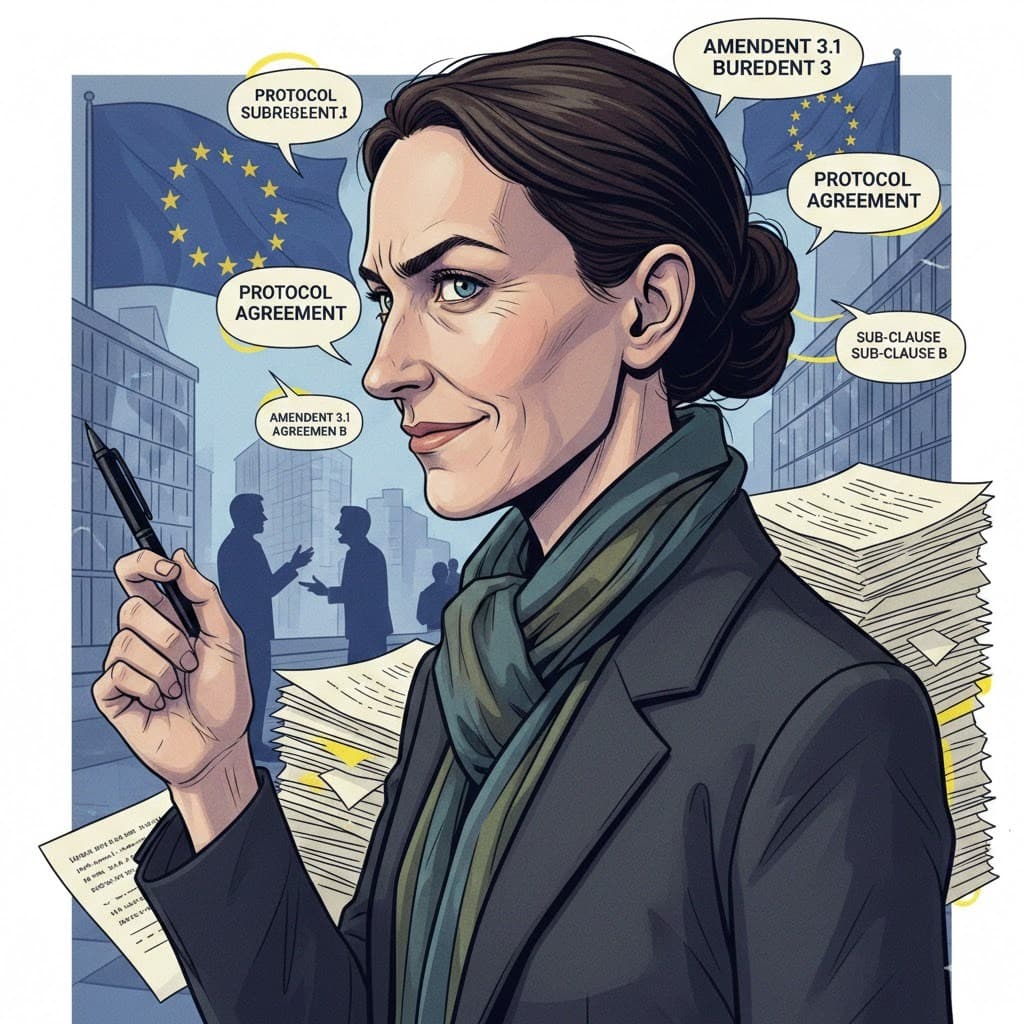
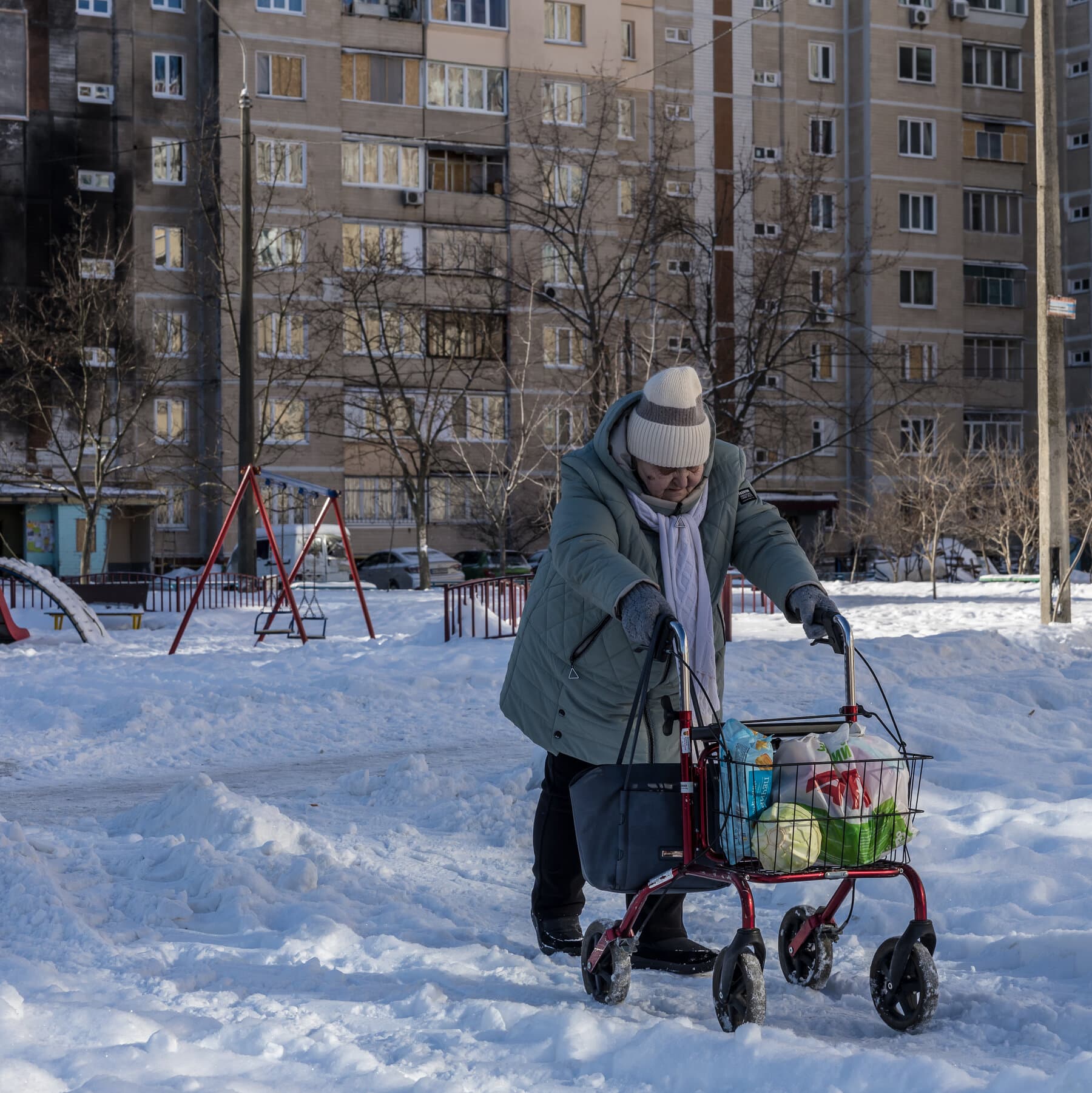
In the constant stream of **Ukraine war updates**, there is a specific linguistic trap that has ensnared politicians and news anchors alike. That word is "resilient." While it dominates headlines and press conferences, a deeper look into the **psychological impact of the conflict** reveals that for the people of Ukraine, this is not a compliment—it is an alibi. When the world looks at civilians standing amidst the rubble and sighs, "They are so resilient," we are essentially engaging in a dangerous form of dismissal. It translates roughly to: "You are excellent at suffering, so please continue to endure this **humanitarian crisis** while we watch from a safe distance."
The data from the ground suggests a shift in sentiment. Ukrainians are signaling deep **war fatigue** and are asking the global community to retire the term. To label a population "resilient" implies a superhuman constitution, suggesting they are made of something harder than flesh and bone. But the reality is that these are teachers, nurses, and students who are bleeding, crying, and exhausted. By focusing on their ability to take a punch, we mask the urgent need for increased **Western military aid**. We act like the man in a suit watching a neighbor crushed by a heavy rock, offering applause for their strength rather than helping to lift the burden.
Furthermore, this rhetoric forces the **Zelenskyy government strategy** into a paradoxical theater production. To secure funding, leadership must project confidence and strength; if they appear weak, donors might pull back. However, this performance creates a false sense of security in Western capitals, leading to complacency. It is a no-win scenario where showing pain risks losing support, but showing strength risks losing urgency.
Ultimately, living in a war zone is not an action movie. Regular people are burning out. When we call them resilient, we strip them of their humanity and turn them into caricatures. We demand that victims be inspiring to earn our help. But resilience is not a badge of honor; it is a scar formed when there is no other choice. Ukrainians do not want to be symbols of democracy. They want to be boring, safe, and asleep. It is time to stop celebrating the scar and start focusing on healing the wound.
***
### References & Fact-Check * **Primary Source**: This analysis interprets reports regarding Ukrainian public sentiment on Western rhetoric. See the original reporting: [Thanks, Ukrainians Say, but Please Stop Calling Us Resilient (NYT)](https://www.nytimes.com/2026/02/25/world/europe/ukrainian-war-resilience.html). * **Context**: For further reading on the psychological toll of prolonged conflict on civilian populations, refer to World Health Organization reports on mental health in war zones. * **Fact Check**: The analysis reflects current discourse regarding the "performance of strength" required by the Ukrainian leadership to maintain international weapons supply chains.
This story is an interpreted work of social commentary based on real events. Source: NY Times