Trump Demands Iran's 'Unconditional Surrender' Amidst Escalating Israel-Lebanon Airstrikes

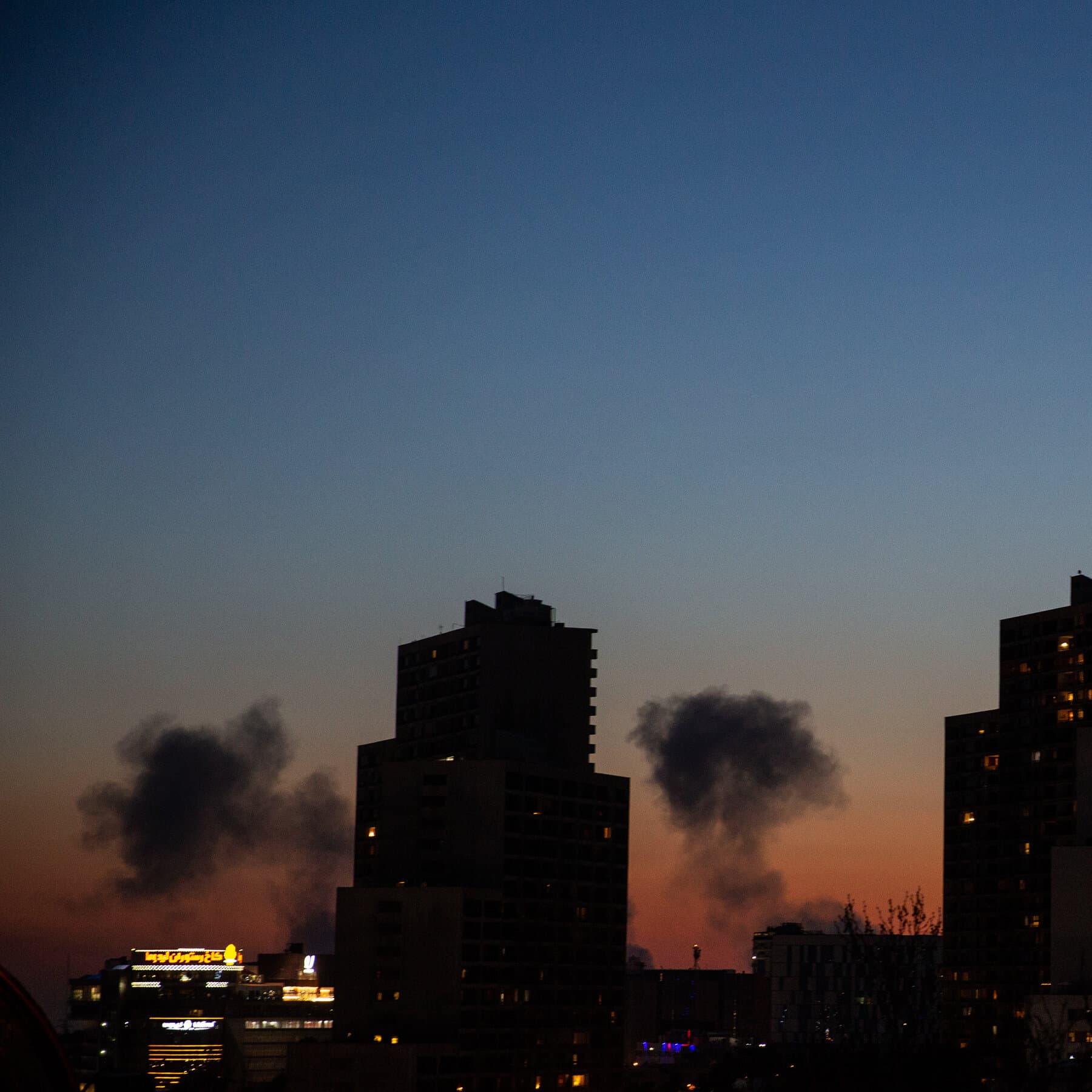
There is a specific kind of volatility involved in watching the geopolitical world burn while a politician attempts to direct the flames via social media. We are seemingly trapped in a high-stakes theater production regarding the **Middle East conflict**, where the actors have abandoned the script. The latest scene in this tragic comedy features **Donald Trump** intervening as **Israel's air force** intensifies operations, reducing infrastructure in **Tehran** and **Lebanon** to rubble. In a move calculated for maximum headline impact, the former American President has resurrected a phrase from 1945: **'Unconditional Surrender.'**
It is almost charming, in a terrifying way, how simple the **Trump foreign policy** brand attempts to make this complex war appear. The concept of 'unconditional surrender' implies a battleship-deck ceremony, not the asymmetric, gray reality of modern **warfare in the Middle East**. Yet, for Trump, history serves as a prop closet. He wields the phrase hoping that **Iran** will simply capitulate. He wants a total cessation of hostilities—no questions asked—so the credits can roll on this crisis.
Meanwhile, in the tangible reality where **Israel** is actively pounding targets in Lebanon and shifting sights back to Iran, gravity and consequences still apply. This isn't a movie; the **air raids** are leveling real buildings. However, the American political class, led by Trump's rhetoric, operates under the assumption that tough talk equates to strategic outcomes. It is the arrogance of believing one can control a hurricane by yelling at the wind.
From a strategic standpoint, demanding 'unconditional surrender' from a nation with the deep-seated religious and political complexity of Iran is absurd. Deep-dive analysis into **international relations** suggests that when you back a sovereign nation into a corner with threats of total destruction, they do not pack up; they dig in. This escalation rhetoric ignores the nuance of the region, but nuanced geopolitical strategy doesn't sell well at a campaign rally.
The timing creates a masterclass in irony. As the **Israel-Lebanon conflict** expands into a potential regional war, Trump walks in, essentially pouring gasoline on a grease fire while claiming to be the only fireman capable of extinguishing it. He offers no diplomatic off-ramp, only a demand for total submission.
We have seen this cycle before. Tough talk generates engagement metrics and voter enthusiasm, but it often leads to rubble that forms the foundation for the next war. Politicians prioritize the daily news cycle over long-term stability. Trump knows that **'unconditional surrender'** signals strength to his base, regardless of its feasibility in the current theater of war.
Israel drops the bombs, Iran retaliates, and civilians in Lebanon suffer the fallout, while a demand for submission echoes from thousands of miles away. It is a theater of the absurd, paid for by the people on the ground. Do not expect the **Middle East crisis** to resolve simply because a demand was made. Expect more noise, more smoke, and more politicians pretending to control the chaos they amplify.
### References & Fact-Check * **Original Event**: Former President Trump demands Iran's total surrender while Israel intensifies military operations in the region. * **Primary Source**: [Trump Demands Iran’s ‘Unconditional Surrender’ as Israel Pounds Tehran and Lebanon](https://www.nytimes.com/2026/03/06/world/middleeast/iran-war-trump-demands-surrender-israel-bombards-lebanon.html) (New York Times) * **Context**: Ongoing escalation involving Israel, Iran, and Lebanon airstrikes.
This story is an interpreted work of social commentary based on real events. Source: NY Times