The Zombie Economy: Is the Venezuela Caracas Revival Real or Just a Dollarized Mirage?

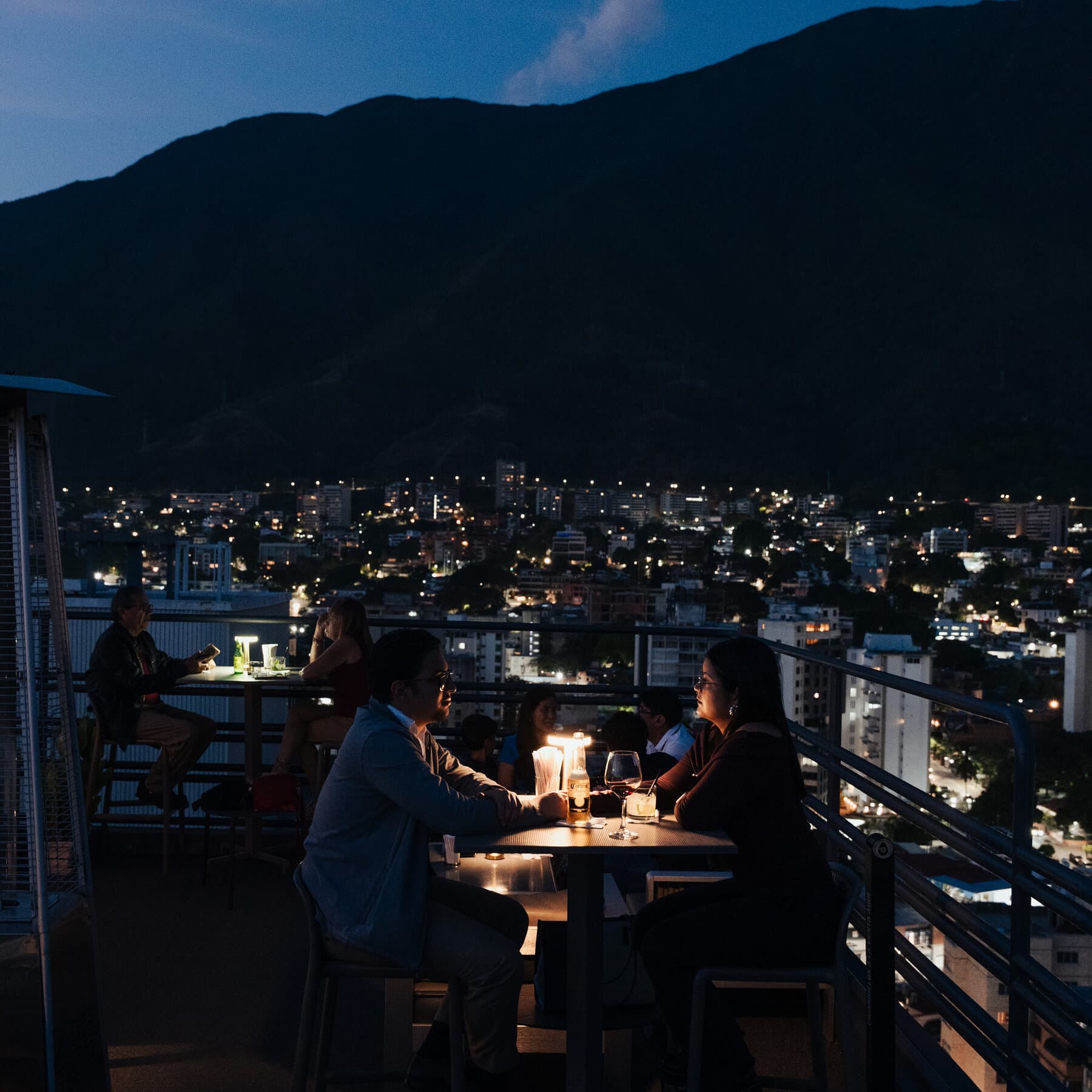
They say you can tell a lot about a country by what it eats. In Caracas, right now, the menu is serving up a very expensive plate of irony. If you track the latest signals regarding the **Venezuela economic crisis**, you might think a miracle has happened. New restaurants are opening their doors. Nightclubs are packed with people dancing until the sun comes up. This apparent **Caracas nightlife revival** has the headlines asking if the nation is coming back to life. The streets, once famous for being some of the most dangerous on Earth, are suddenly quiet and eerily safe.
But don’t make me laugh. It hurts my face to grimace that hard. What we are seeing in Caracas isn't a sustainable recovery; it is a hallucination. It is a coat of fresh paint on a house that has already burned down.
Let’s look at this "revival" with clear eyes, shall we? Yes, there are fancy new places to eat where you can get sushi and steak. But who is eating there? It certainly isn't the teacher who makes a few dollars a month, or the nurse in the hospital with no medicine. It is a very small, very specific demographic benefiting from **US dollarization in Venezuela**. This is the great joke of the Venezuelan "revolution." For years, the leaders screamed about the evils of the American empire. Now, the only thing keeping their capital city alive is the American dollar. The government looked at their economy, realized they had destroyed it completely, and decided to just let the "evil capitalist" money run the show.
So now you have a city that is split in two. You have the Bubble, and you have the Reality. Inside the Bubble, in the rich neighborhoods of Caracas, it looks like Miami. People drive shiny cars and pay with stacks of twenty-dollar bills. It is a party at the end of the world. They are dancing on the deck of the Titanic while the ship is underwater, pretending that if the music is loud enough, they won't drown.
Then there is the safety issue. Reports indicate crime rates have dropped, but this isn't due to effective policing. It is because the economy got so bad that even the criminals couldn't make a living. There was nothing left to steal. Or, even darker, the criminals have simply moved up in the world to run businesses in the new dollar economy.
This isn't peace. It is the silence of a graveyard. The **Venezuela migration crisis** continues unabated as millions have fled the country, walking across borders and risking their lives just to get away from this "revival." The people left behind are either too poor to leave or rich enough to enjoy the sushi.
People want a happy ending. They see a picture of a crowded bar in Caracas and think things are normal again. But this is a distortion. It is a playground for the few while the many are still digging through trash bags looking for food just a few miles away. So, spare me the hopeful stories about Caracas coming back to life. A few neon lights do not make a country. This is just the latest act in a very long tragedy, played out to a soundtrack loud enough to drown out the silence of the rest of the country.
***
### References & Fact-Check
* **Original Event Analysis**: This interpretation is based on reports regarding the visible but unequal economic shifts in Caracas, where dollarization has created pockets of wealth amidst ongoing poverty. * **Primary Source**: [Venezuela’s Capital, Laid Low by Misrule, Is Stirring Back to Life](https://www.nytimes.com/2026/02/26/world/americas/caracas-venezuela-economy.html) (The New York Times, Feb 2026). * **Context**: The "revival" refers to the *bodegón* economy and the de facto dollarization that has allowed luxury goods to return to the capital, despite the continued humanitarian crisis affecting the broader population.
This story is an interpreted work of social commentary based on real events. Source: NY Times