The Kids' Table: Europe Powerless as Trump-Iran Conflict Escalates
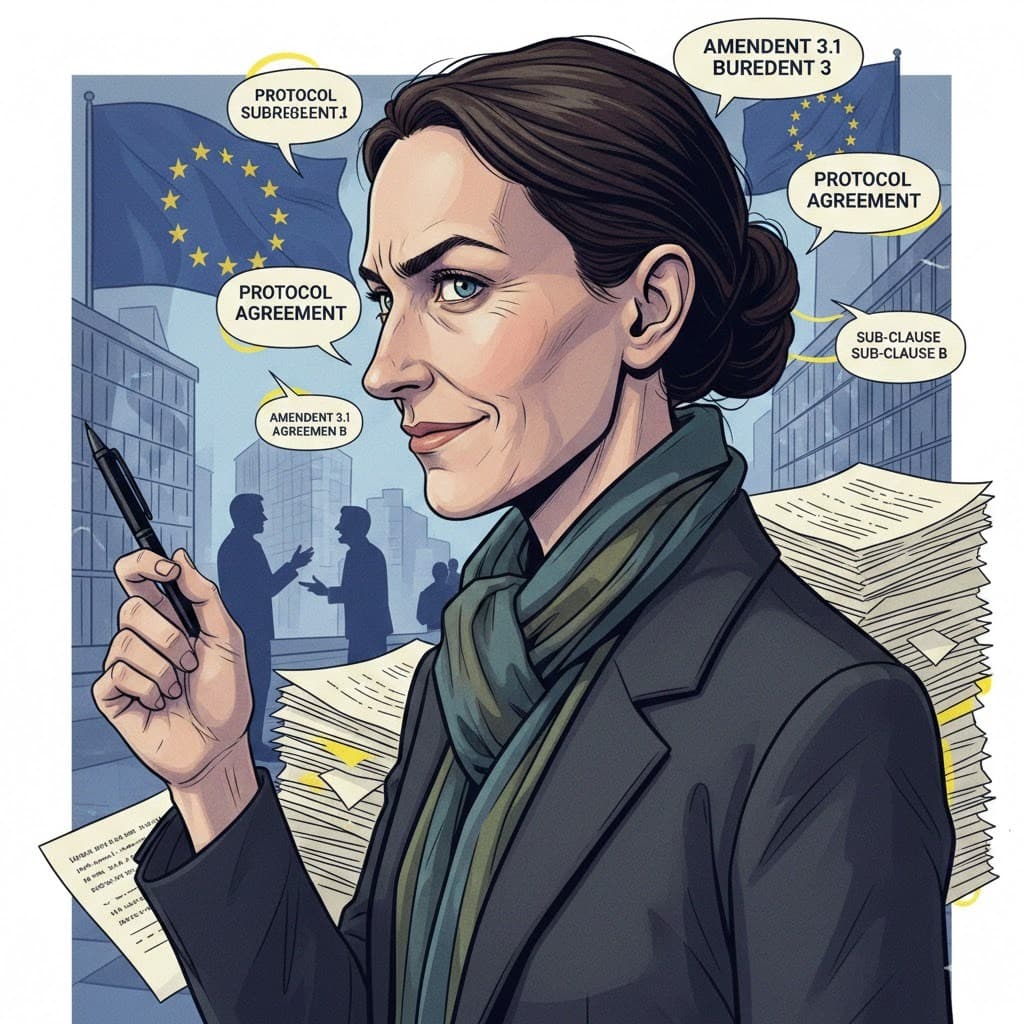
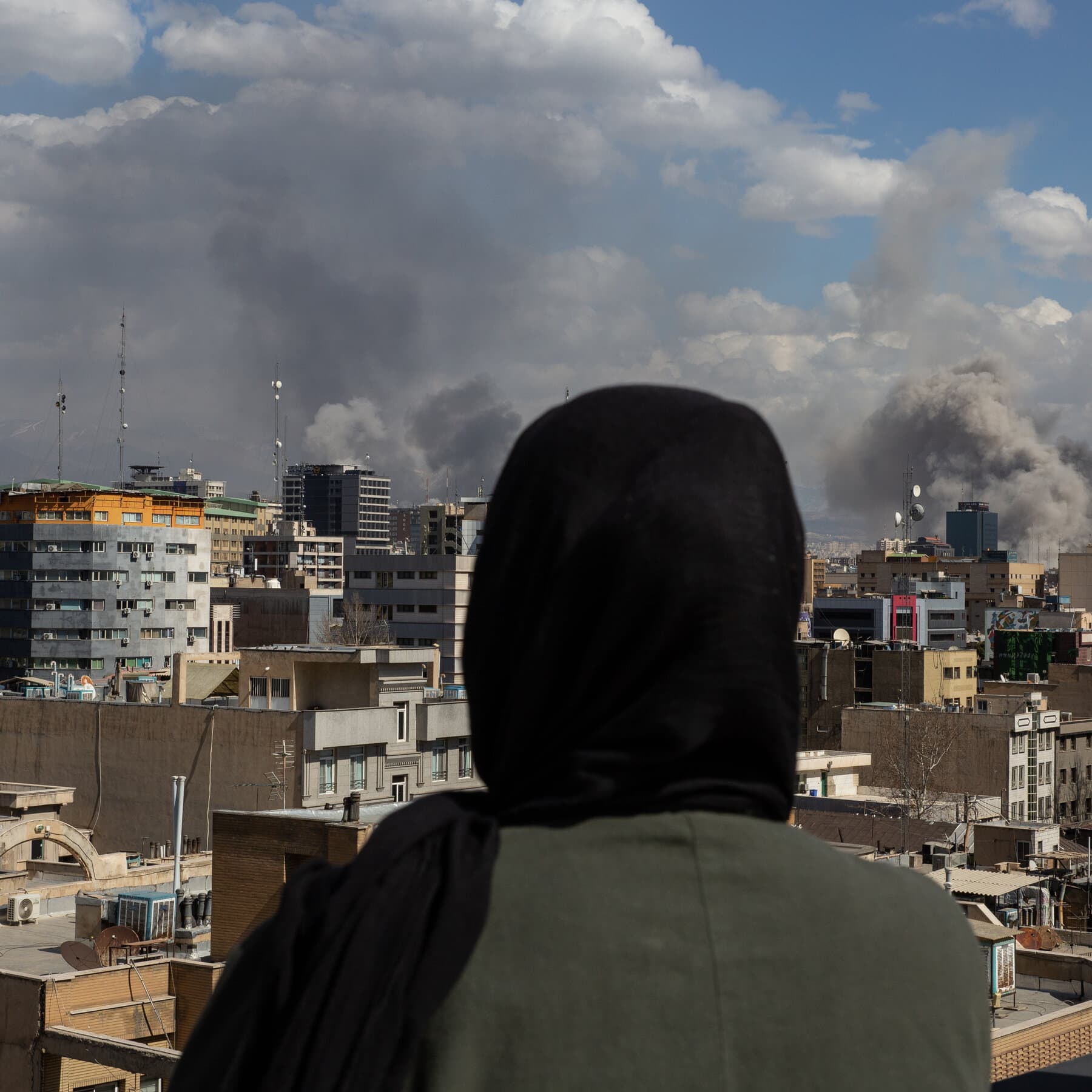
There is a certain tragedy in watching a geopolitical entity realize its organic reach has dropped to zero. It is like watching a silent movie star try to give a speech in the age of talkies. Nobody is listening, the microphone isn’t on, and the audience is already leaving the theater. This is the current state of European foreign policy. As Washington decides to throw matches into the powder keg of the Trump-Iran conflict, our illustrious leaders in Paris, Berlin, and London are finding themselves in a very unfamiliar position: sitting in the cheap seats, watching the show with the rest of us.
For decades, we were told a very pretty story about the Transatlantic alliance. We were told that the Western world was a partnership, a high-authority network that could never be broken. We were told that before the United States decided to blow something up, they would at least have the courtesy to pick up the phone. That era is dead. President Trump’s decision to engage with Iran without so much as a polite nod to his European allies is the final nail in the coffin of that old fantasy.
The reaction from Europe’s capitals has been a masterclass in bureaucratic panic. It is a theater of the absurd. You have French and German leaders rushing to microphones, adjusting their ties, and putting on their most serious faces. They use buzzwords like "de-escalation" and "stability." They issue joint statements on fancy paper. And absolutely none of it matters. Washington acts, and Europe reacts. The dynamic has shifted from a partnership of equals to a relationship between a bulldozer and the traffic cone it just ran over.
It is almost funny, in a dark, depressing sort of way, to watch these sophisticated diplomats try to pretend they remain relevant in global geopolitics. They talk about saving nuclear deals that are already shredded. They are like musicians playing on the deck of the Titanic, except the ship sank an hour ago and they are just treading water in their tuxedos. The reality is that the United States has decided to go it alone, and Europe has been left behind to write strongly worded letters about how rude that is.
We must look at this with open eyes. The comfortable world where Europe sat at the head of the table is gone. When the President of the United States decides to shake the foundations of international diplomacy, he does not ask for permission from Brussels. He operates on instinct and impulse, leaving the career politicians in Europe gasping for air and scrambling to figure out what happened.
And really, who can blame Washington for ignoring us? What is Europe going to do? We have spent years cutting defense budgets and relying on American protection, assuming the status quo would last forever. We outsourced our security to the big guy across the ocean, and now we are shocked—shocked!—that the big guy is doing whatever he wants. It is the ultimate cynicism of the modern age: we wanted the luxury of peace without the burden of power, and now we have neither.
So, as the tensions rise and the news cycle spins out of control, pay attention to the silence coming from the White House toward Europe. That silence is louder than any bomb. It tells us exactly where we stand. We are the bystanders. We are the nervous neighbors peeking through the curtains while the house next door catches fire. We can wring our hands and make speeches, but the sad truth is that the script is being written without us.
### References & Fact-Check
* **Event Context**: The article interprets the current geopolitical exclusion of European leaders during the recent escalation of US military action against Iran. * **Source Authority**: New York Times - "As Trump Bombs Iran, America’s Allies Watch Fitfully From Sidelines" (March 2, 2026). [Link to Original Source](https://www.nytimes.com/2026/03/02/world/europe/trump-iran-europe.html) * **Analysis**: This satirical interpretation aligns with the factual reporting that European allies were not consulted prior to the strikes, confirming the "sidelined" narrative.
This story is an interpreted work of social commentary based on real events. Source: NY Times