Taiwan Arms Sale Delayed: Trump Beijing Summit Freezes Billion-Dollar Security Package

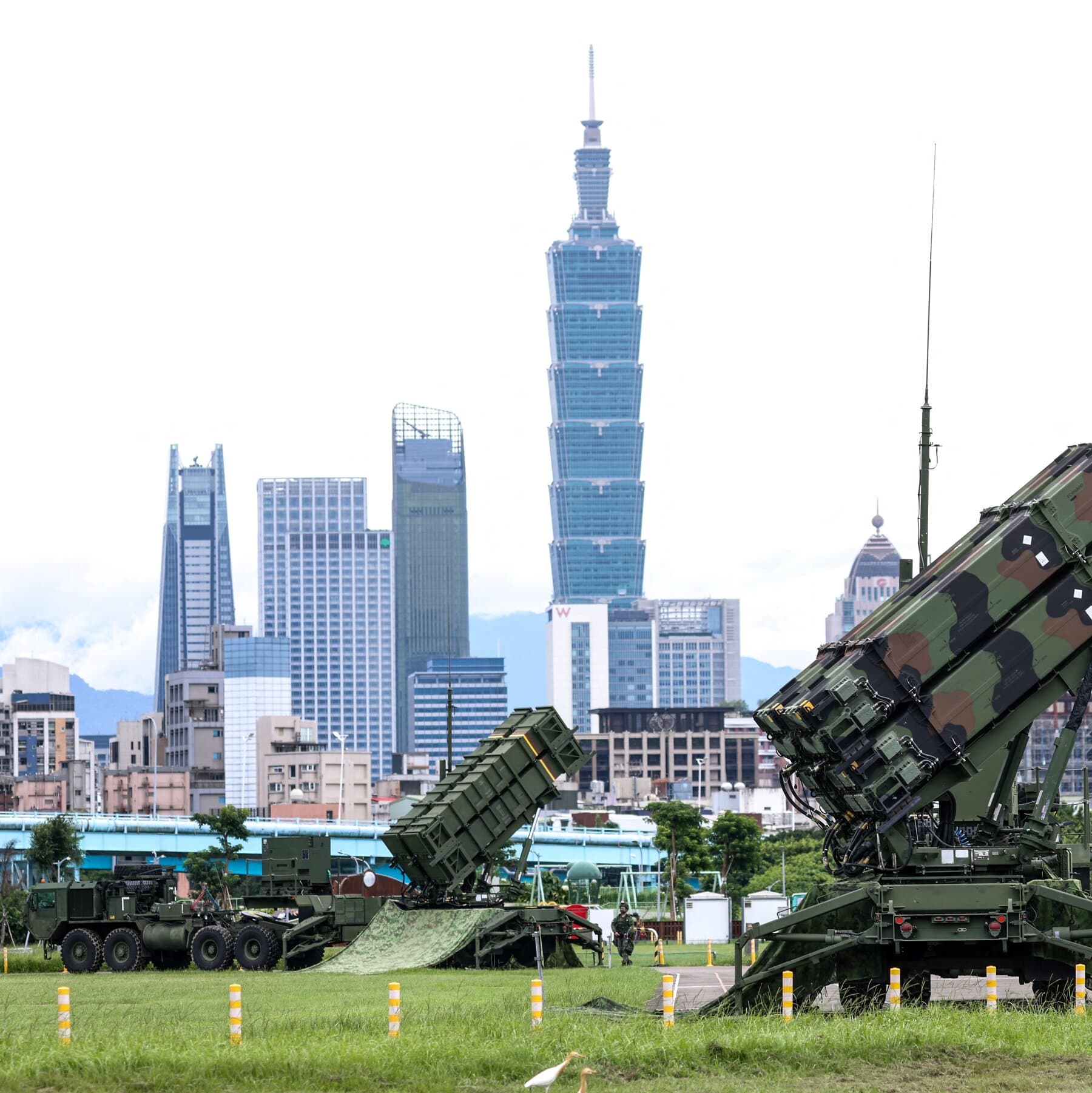
There is a specific, clumsy dance unfolding in the theater of **US-China relations**, and right now, the American government is tripping over its own feet regarding the **Taiwan arms sale**. While the music has stopped, the politicians are still awkwardly shuffling. The situation is simple yet entirely ridiculous: The **United States Congress**—the body elected to legislate and allocate funds—explicitly approved a massive weapons package for Taiwan. We are talking about billions of dollars in **defense equipment** meant to support an ally. The papers were signed, and the speeches about defending freedom were made. It was a done deal. <br><br>But then, reality walked into the room in the form of a calendar invite. It turns out **President Trump is planning a visit to Beijing** in April for a high-stakes diplomatic summit. Because of this upcoming dinner date, the **weapons sale delay** has become the administration's new strategy. The package is currently stuck at the **State Department**, gathering dust despite legislative approval. The priority has shifted from fulfilling security promises to ensuring the mood is perfect for a photo op in China.<br><br>This is the theater of the absurd. It exposes a dirty secret in international relations: values are negotiable. The U.S. claims to be a solid rock for its allies, but the moment a **Beijing summit** appears on the schedule, that rock turns into Jell-O. The logic is painfully cynical: Americans fear that finalizing the **Taiwan defense deal** now would ruin the vibe before the appetizers are served. So, they hit the pause button on national security to ensure the summit goes smoothly.<br><br>Think about the insult to the buyer. Imagine purchasing a home security system because you fear a neighbor, paying for it, and then hearing the delivery driver say, "I can't bring it today; I'm having dinner with that neighbor and don't want to make things awkward." That is the reality for Taiwan, told to wait in the hallway while the superpowers chat in the parlor. It highlights that smaller nations are often treated as bargaining chips in the grand scheme of **foreign policy**.<br><br>This scenario is also a masterclass in bureaucratic incompetence. You have Congress saying "Go" and the State Department saying "Stop," revealing a government at war with itself. Lawmakers want to project strength; diplomats want to play nice. The result? The weapons sit in limbo, sending a message of confusion to the global stage. Who is running the show—the legislators or the travel agents?<br><br>This delay is a calculated attempt to play both sides. The administration wants to satisfy domestic voters by supporting Taiwan while simultaneously appeasing Beijing to ensure the summit looks like a success. They are trying to have their cake and eat it too, usually resulting in a mess on the table. Eventually, the summit will happen, handshakes will occur, and maybe the **arms sale** will move forward—or maybe it will be traded away in a backroom deal. For now, the paperwork sits blocked by the shadow of an approaching airplane.<br><br><h3>References & Fact-Check</h3><ul><li><strong>Original Event Context:</strong> The delay of a congressionally approved arms package to Taiwan coincides with preparations for a presidential visit to China, highlighting tensions between legislative intent and diplomatic maneuvering.</li><li><strong>Source Material:</strong> <a href="https://www.nytimes.com/2026/02/27/us/politics/trump-taiwan-arms-sale.html" target="_blank" rel="noopener noreferrer">Taiwan Arms Sale Approved by Congress Is Delayed as Trump Plans Visit to Beijing</a> (New York Times)</li></ul>
This story is an interpreted work of social commentary based on real events. Source: NY Times