Oil and Gas Prices Jump: How Global Conflict Spikes Inflation and the Cost of Living Crisis
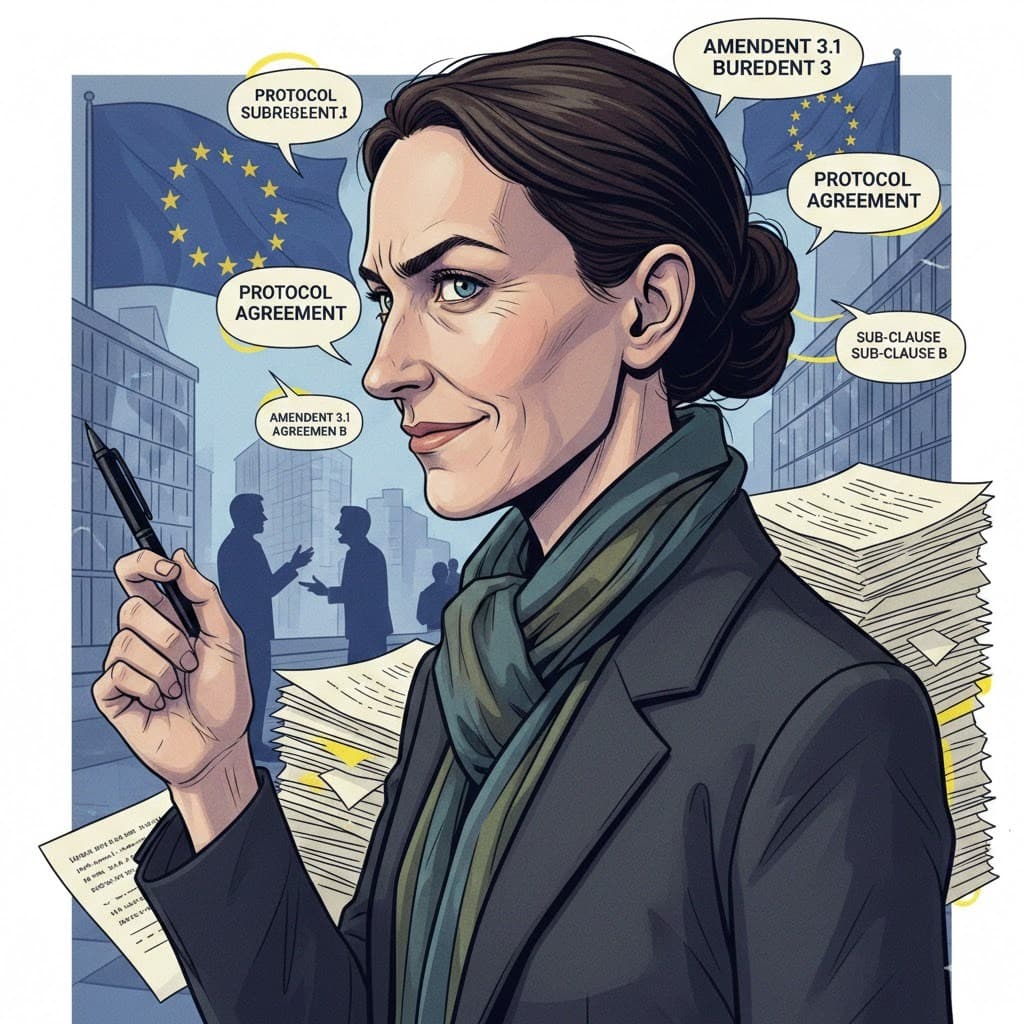
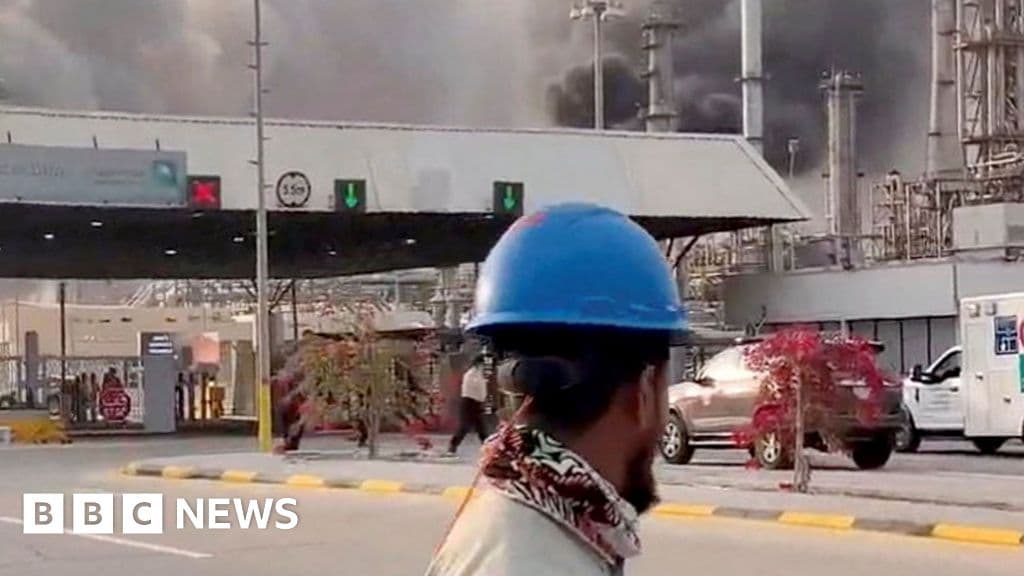
Here we are again. It is almost like a bad movie that keeps getting remade every few years. The script is always the same, the actors are just as bad, and the ending is always expensive for regular people. The breaking news has come down from the mountain: <strong>oil and gas prices</strong> are jumping up because there is conflict in the world. As we face the start of another potential <strong>global energy crisis</strong>, the financial impact is already rippling through the economy.
I hope you are sitting down for this next part, because it is truly shocking. Experts—yes, people paid a lot of money to analyze <strong>market volatility</strong>—have warned us that if the fighting continues, prices might go even higher. It is a stunning piece of wisdom. It is like telling someone that if they stand in the rain, they might get wet. But this is the world we live in. We act surprised when the fire burns us, even though we are the ones playing with matches.
Let’s look at what is actually happening. Somewhere, far away, people are making the terrible decision to solve their problems with violence. That is tragic enough on its own. But in our interconnected world, a tank rolling across a border or a missile flying through the air hits your wallet before it hits anything else. The markets panic. They always panic. The people who trade <strong>commodities and energy futures</strong> are very nervous creatures. They see trouble, and they raise the price. It is not personal. It is just business. But it feels very personal when you are standing at the gas pump, watching the numbers spin faster than your eyes can follow.
What I find most amusing—in a dark, unhappy way—is the reaction of our leaders regarding this spike in the <strong>cost of living</strong>. Have you watched them? They rush to the microphones. They put on their serious faces. They talk about "stabilizing the region" and "protecting the consumer." It is all a performance. They know, deep down, that they have very little control over this. The global economy is a giant, wild beast. Politicians are just tiny people trying to poke it with a stick. They can’t stop the prices from rising any more than they can stop the tide from coming in. But they have to pretend. They have to act like they are in charge, or else we might realize nobody is actually driving the bus.
And let us take a moment to appreciate the experts again. These analysts are quoted in every paper, warning about a "prolonged conflict" and its effect on <strong>inflation rates</strong>. They use big words to say something very simple: War is expensive. When countries fight, trade stops. Routes get blocked. Pipes get worried. The supply of energy—the very blood of our modern life—gets threatened. So, the price goes up. This has happened in every major conflict for the last hundred years. Yet, every time it happens, the experts treat it like a new phenomenon. They produce charts and graphs to explain why you are poorer today than you were yesterday. It doesn’t fix the problem, but I suppose it keeps them employed.
There is also a rich irony here regarding our green future. Remember that? We were all supposed to be moving to wind and solar power. We were supposed to be leaving oil behind. But the moment the world gets scary, what do we do? We panic about oil. We beg for more gas. It shows just how addicted we still are. We talk a big game about saving the planet, but when push comes to shove, we just want to make sure our cars keep moving and our houses stay warm, no matter how dirty the fuel is. The conflict exposes our hypocrisy. We haven't changed nearly as much as we like to think.
So, what does this mean for you? It means you will pay more. That is the only guarantee in life. When powerful men play their war games, the little people pay the bill. The price of shipping goods will go up, which means your groceries will cost more. The price of heating your home will go up. The cost of driving to work will go up. The people deciding to escalate these conflicts? They don’t worry about the price of a gallon of gas. They have drivers. They have expense accounts. They live in a different world than you and I.
We are watching a theater of the absurd. The curtain has risen on another act of violence, and the ticket price is inflation. The experts will keep warning us. The politicians will keep promising to fix it. And the prices will keep doing exactly what they always do during a crisis. My advice? Don’t look for logic in the chaos. Just understand that in this world, incompetence and aggression are the most expensive luxuries of all, and unfortunately, we are all forced to buy them.
<h3>References & Fact-Check</h3> <ul> <li><strong>Source Material:</strong> This article is a satirical interpretation based on real-world market shifts reported by the BBC. Read the original report here: <a href="https://www.bbc.com/news/articles/c75evve6l63o?at_medium=RSS&at_campaign=rss" target="_blank" rel="nofollow">Oil and gas prices jump as conflict escalates (BBC)</a>.</li> <li><strong>Market Context:</strong> Historical data confirms that geopolitical instability in energy-producing regions consistently correlates with immediate spikes in crude oil brent benchmarks and consumer gas prices.</li> <li><strong>Key Terms:</strong> Inflation, Global Energy Crisis, Commodity Market Volatility.</li> </ul>
This story is an interpreted work of social commentary based on real events. Source: BBC News