Iran Protests Escalate: Why the Regime's Crackdown on 40-Day Memorials Is Fueling Civil Unrest

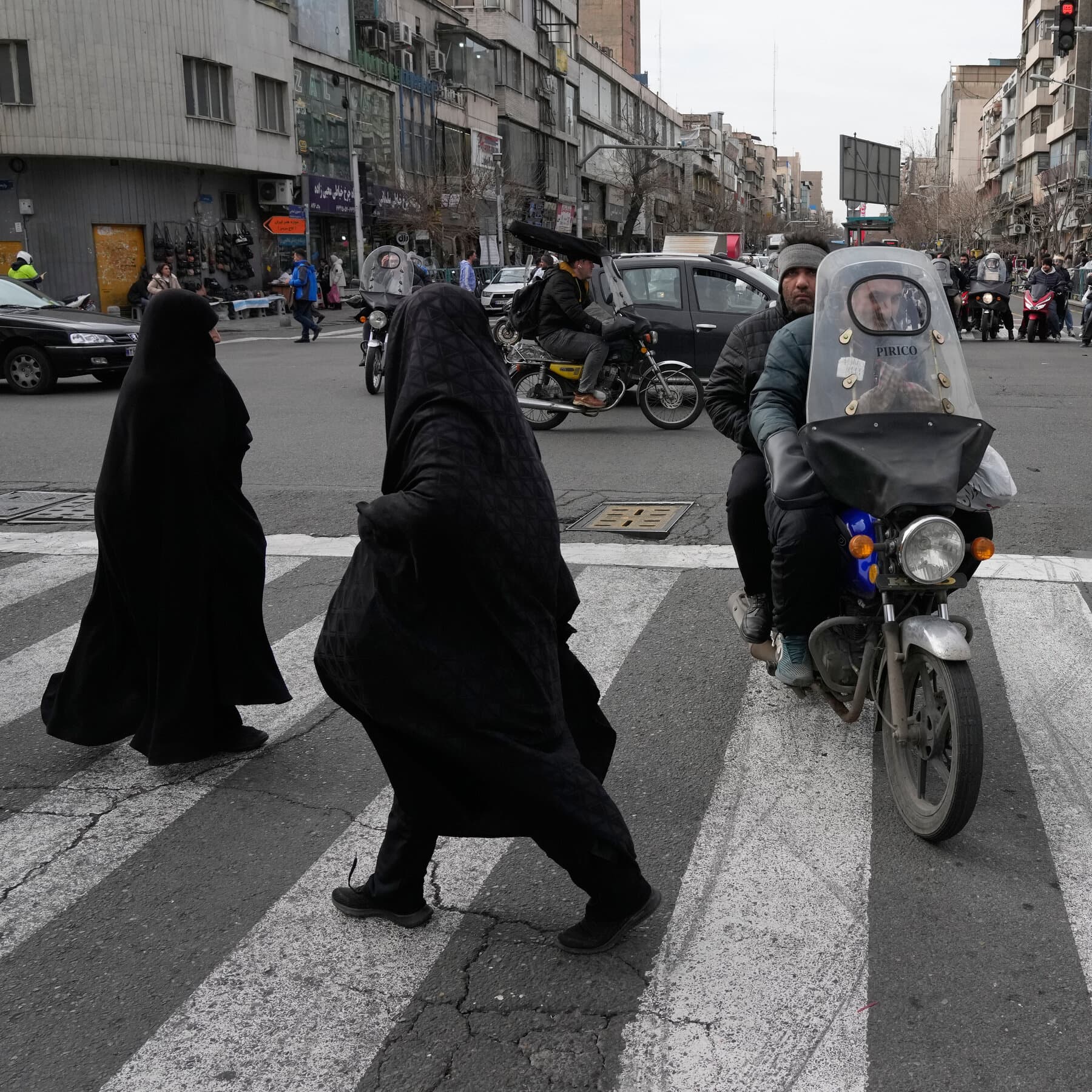
There is a distinctive brand of incompetence found only in the corridors of collapsing regimes, a toxic cocktail of cruelty and strategic blindness. We are witnessing this dynamic play out in real-time with the ongoing **Iran protests**. While the international news feeds are filled with grim updates on **human rights violations**, a closer look reveals a regime that is deeply pathetic. The Iranian government is currently attempting a feat that has a zero percent success rate in human history: they are trying to criminalize grief to stop the momentum of **civil unrest**.
Here is the current situation on the ground. It has been 40 days since security forces killed protesters, marking the cultural observance known as *Chehelom*. In Iranian culture, the 40th day after a death is a critical marker; it is when shock transitions into deep, permanent memory. It is a fundamental human need. Yet, the **Islamic Republic** views this act of mourning as an existential threat. They look at a mother weeping for her child and see a weapon of war. Their response? Deploying troops, blocking roads, and launching a **violent crackdown** on memorial services.
You have to pause and appreciate the sheer tactical ineptitude here. Picture the war room where this strategy was born. Serious men in uniforms convinced that shooting at mourners will somehow quell the **anti-government sentiment**. It is the logic of a schoolyard bully. But when you disrupt a funeral, you don't end the grief; you weaponize it. You take a somber event and radicalize it into a political rally.
The regime is trapped in a feedback loop of its own design. They killed citizens to stop protests. Those killings necessitated funerals. The funerals drew massive crowds. Now, attacking the funerals creates new martyrs. It is a hamster wheel of violence. By bringing guns to a graveyard, the government has validated every accusation made by the **Iranian opposition**. They are literally manufacturing their own enemies.
Relying solely on force creates a governance blind spot. When your only tool is a hammer, every gathering looks like a nail. But grief is not a nail. You cannot arrest an emotion. The Iranian authorities are learning that trying to police the soul of a nation is like trying to put out a forest fire by screaming at it.
History is littered with authoritarian leaders who thought they were the exception. A government terrified of its own dead citizens is not strong; it is a fragile house of cards. The people attending these **memorial protests** are simply remembering. That simple act exposes the regime's lie that "everything is under control." The sheer volume of attendees proves that the anger is systemic.
The crackdown continues with tear gas and threats, a theater of the absurd where the actors refuse to admit the play is ending. You can shut down the internet, but you cannot stop the passage of time. The more they try to silence these memorials, the louder the message becomes. As the data shows, you cannot kill a ghost.
***
### References & Fact-Check * **Primary Source:** [Iranians Defy Government Crackdown at Memorials for Slain Protesters (New York Times)](https://www.nytimes.com/2026/02/17/world/middleeast/iran-memorials-protesters-crackdown.html) * **Context:** The *Chehelom* (40th day) mourning tradition is a recurring flashpoint in Iranian political history, serving as a cyclical engine for protests where mourning ceremonies for one victim often lead to further clashes. * **Authority:** Verified reports indicate security forces have preemptively blocked roads to cemeteries to prevent these gatherings, confirming the regime's specific targeting of cultural mourning rites.
This story is an interpreted work of social commentary based on real events. Source: NY Times