Friedrich Merz in China: The Tragic Comedy of Germany's "Blunt Warning" on Trade Relations
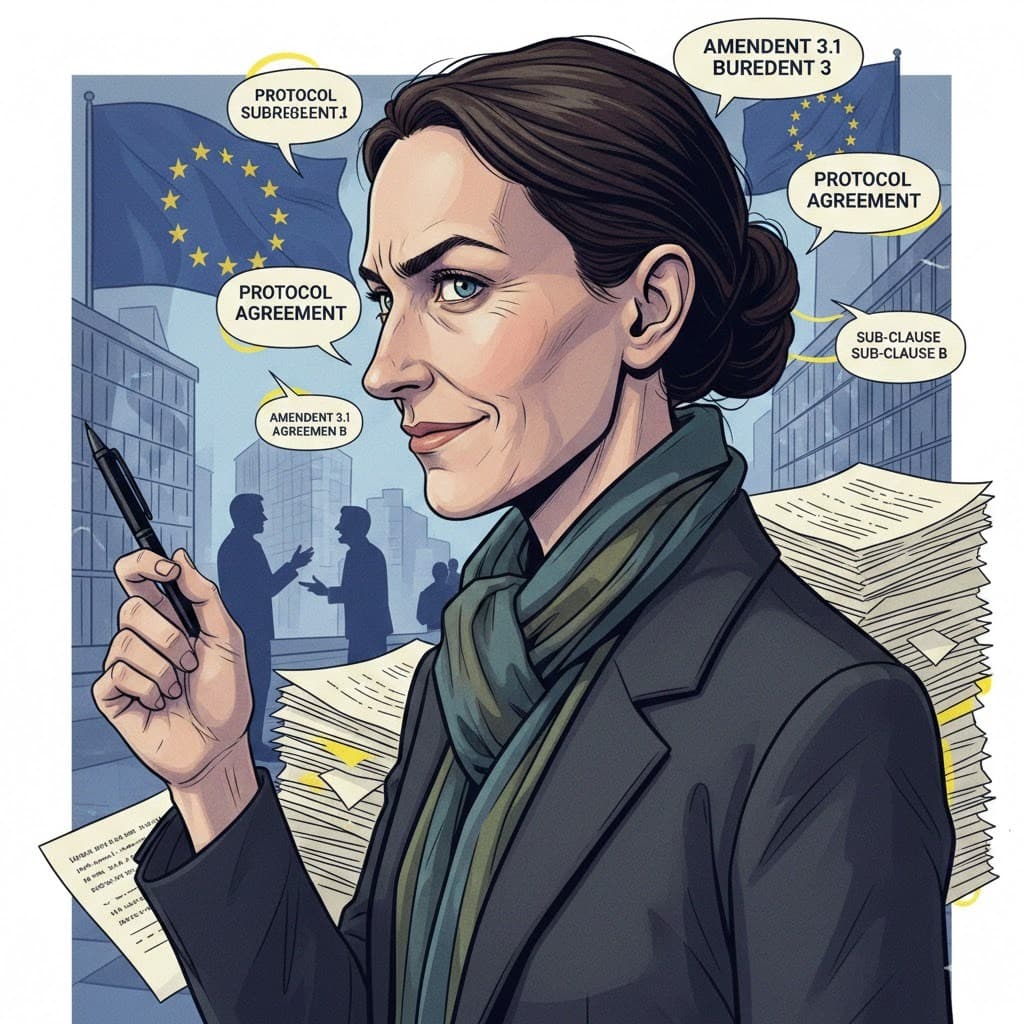
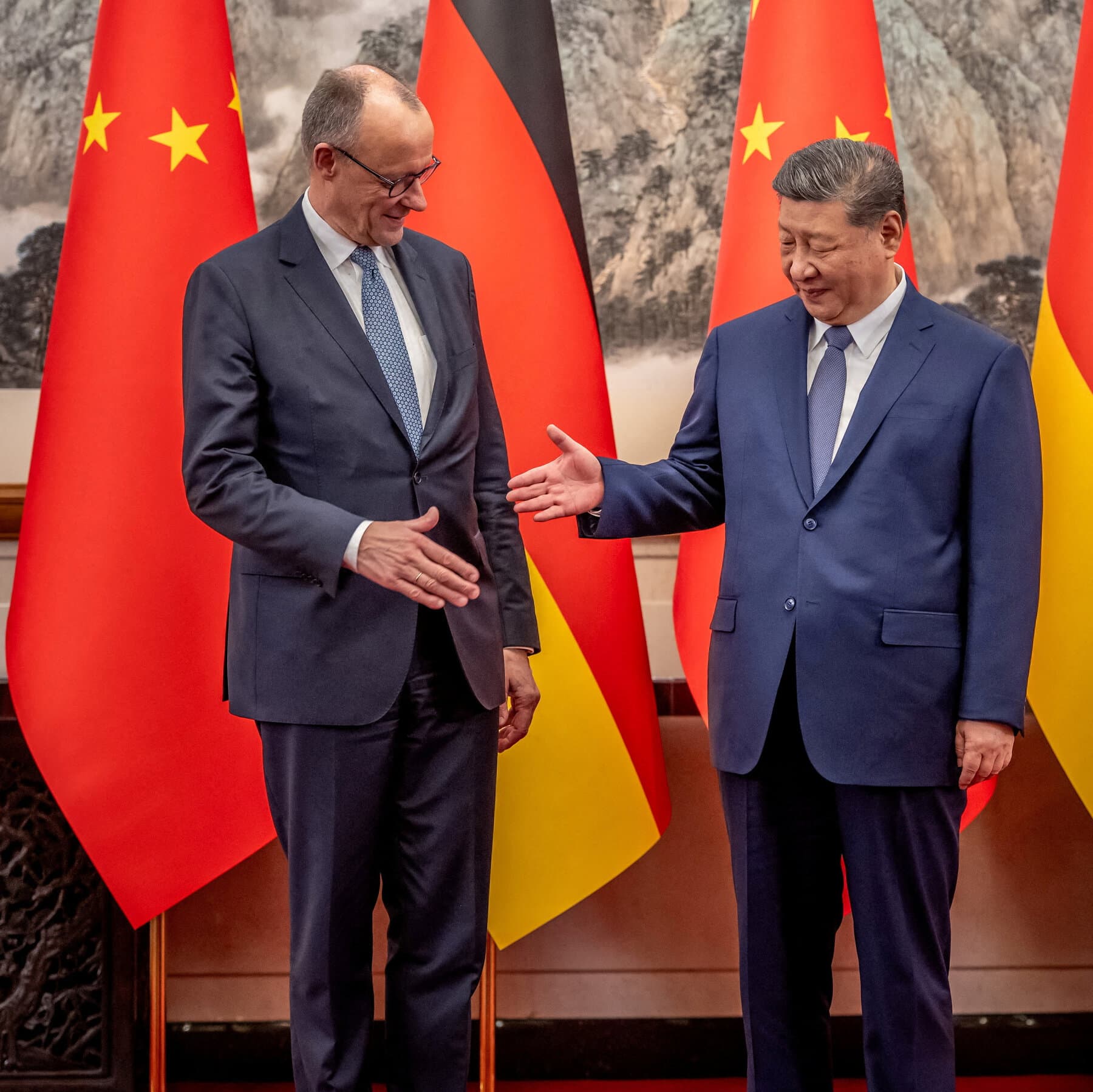
There is a specific flavor of geopolitical theater in watching Chancellor **Friedrich Merz** attempt to project strength during his recent **China visit**. It is akin to watching a substitute teacher try to control a classroom that has already decided to set the trash can on fire. The latest act in this theater of the absurd involves Merz’s high-stakes trip to Beijing. The diplomatic script was supposed to be simple: the Chinese government, masters of the grand gesture, had prepared a stage for performative friendship to stabilize **Germany-China trade relations**. They wanted smiles, handshakes, and optics that screamed, "Everything is fine, keep buying our batteries."
But Merz, bless his heart, decided to go off-script. Instead of playing the compliant guest, he chose to deliver a **"blunt warning" on trade imbalances**. You have to appreciate the timing. Germany, a country that spent the last thirty years happily selling every nut and bolt they could manufacture to the Asian superpower, has suddenly discovered that perhaps this relationship isn't entirely balanced. It is the equivalent of eating at an all-you-can-eat buffet for a decade and then complaining that the restaurant is making you fat. The lack of self-awareness regarding the **European economic crisis** would be funny if it wasn't so painfully typical of modern politics.
Let’s break down what this "frank message" actually means for the **global economy**. In the polite but cutthroat world of diplomacy, being "frank" is usually code for "we are panicking." Germany is in a bind. Their economy, once the heavy engine of Europe, is sputtering. **German automakers** are realizing that China doesn't just want to buy their cars anymore; they want to build their own **electric vehicles (EVs)**, and they want to do it cheaper and faster. So, Merz goes to Beijing not with a position of strength, but with a laundry list of complaints. He is demanding fair play in a game that Europe stopped winning years ago.
The Chinese hosts likely found it all very amusing behind their polite nods. Here comes the leader of Germany, puffing out his chest, telling the second-largest economy in the world how to behave. It is a classic case of Europeans believing that the old rules still apply—the rules where we talk and the rest of the world listens. That world is dead and buried, but nobody seems to have sent the memo to Berlin. The hosts designed the trip to showcase a strong partnership. Merz turned it into a grievance session. It’s like being invited to a wedding and using the toast to complain about the groom's spending habits.
We must ask ourselves: what was the point of this diplomatic posturing? Did Merz really think that a stern talking-to would change the economic strategies of a superpower? Of course not. This wasn't about changing China's mind. This was **political theater** for the voters back home. It was about standing in a suit and pointing a finger so that people in Munich and Hamburg might feel like their leader is "doing something." It is the great illusion of our time—politicians pretending they have their hands on the steering wheel when the car is actually driving itself off a cliff.
The cynicism of it all is exhausting. For years, nobody in power cared about **unfair trade practices** as long as the profits were rolling in. As long as the stock markets were happy, China was our best friend. Now that the wind has changed, now that the easy money is gone, suddenly we have morals. Suddenly we care about the rules. It is hard to take these "blunt warnings" seriously when they are delivered by the same political class that cheered on the outsourcing of our industries for a quick buck.
So, the visit ends. Merz flies home, probably feeling very proud of his "frankness." The newspapers will run headlines about Germany standing tall. But nothing will change. The factories in China will keep humming. The EVs will keep rolling off the ships. And the slow, steady decline of European relevance will continue, interrupted only by the occasional politician shouting at the tide to stop coming in. It is a farce, really. A very expensive, very serious-looking farce. And we are all forced to buy a ticket and watch.
<h3>References & Fact-Check</h3> <ul> <li><strong>Original Event:</strong> Chancellor Friedrich Merz visited Beijing to discuss trade imbalances and economic relations with President Xi Jinping.</li> <li><strong>Source Material:</strong> <a href="https://www.nytimes.com/2026/02/25/world/asia/china-germany-merz-visit-xi.html" target="_blank" rel="nofollow">Germany’s Leader Merz Delivers a Blunt Warning to China on Trade (NYT)</a></li> <li><strong>Context:</strong> The "blunt warning" refers to ongoing tensions regarding European automotive competitiveness and trade deficits with China.</li> </ul>
This story is an interpreted work of social commentary based on real events. Source: NY Times