El Mencho’s Fall: Why the End of Nemesio Oseguera Cervantes Won't Stop the CJNG

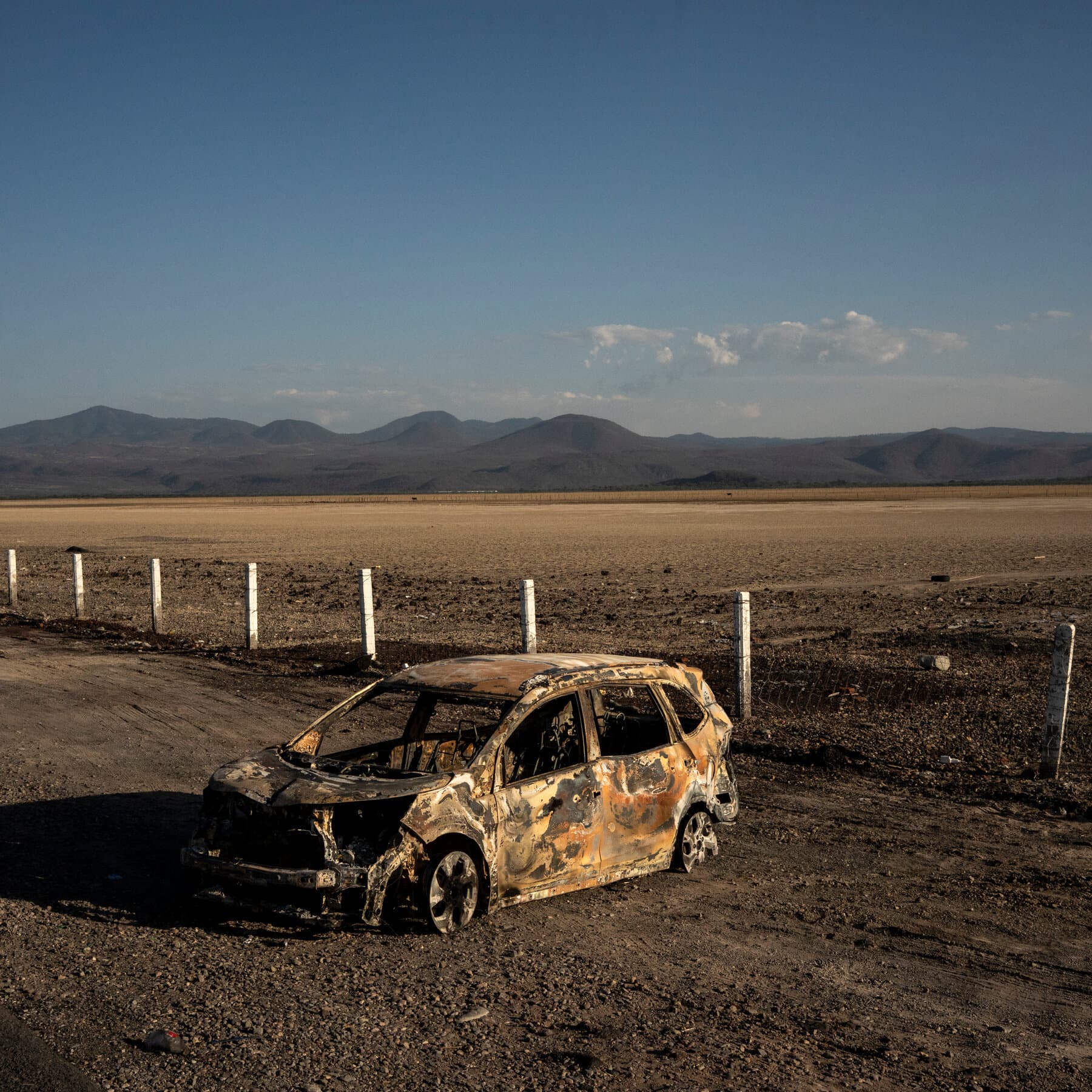
Oh, look. Another one bites the dust. It is almost touching how excited the world gets when a notorious **drug kingpin** falls. This time, the algorithmic spotlight is on **Nemesio Oseguera Cervantes**, known to his friends and his many, many enemies as "**El Mencho**." The global media is buzzing with the latest **Jalisco New Generation Cartel (CJNG)** news. The politicians are puffing out their chests, trying to look like heroes who have slain a dragon in the **Mexican drug war**. They want us to believe that the world is suddenly safer, cleaner, and more just. But if you have been paying attention for more than five minutes, you know this is just theater. It is a rerun of a bad TV show we have all seen a dozen times before.
Let’s look at this man, this El Mencho. We are told about his "bloody rise." They say he had great business skills. Please. Let’s not give him too much credit. In the real world, business is hard because you have to follow laws and pay taxes. In the cartel world, "business acumen" is just a fancy way of saying you were willing to kill more people than the guy next to you. **El Mencho** didn’t invent a new phone or a better way to deliver packages. He simply realized that terror is a great marketing tool. He turned the **CJNG** into a brand. He used violence the way Nike uses sneakers—to get recognized. He made videos with military gear and tanks, showing off his power like a teenager with a new car. It wasn't genius. It was just loud. And in the end, being loud is what gets you caught.
The story says he made a "fatal mistake." Of course he did. That is the only way this story ever ends. These men always start to believe their own hype. They surround themselves with people who are too scared to tell them the truth. They start thinking they are gods, untouchable and immortal. They forget that they are actually just middle managers in a global supply chain of misery. El Mencho’s mistake wasn't just a tactical error; it was hubris. It was the arrogance of thinking he could outrun the machine forever. But the machine—the governments, the rivals, the sheer weight of the money involved—always wins. He stopped being a businessman and tried to be a warlord. That is bad for business, and eventually, he became too much of a headache to ignore.
Now, watch the bureaucrats celebrate. The authorities in Mexico and the United States will hold press conferences. They will stand behind podiums with serious faces and talk about the "rule of law." It is laughable. Taking down **Nemesio Oseguera Cervantes** is like swatting a single fly in a garbage dump and declaring victory over hygiene. It changes nothing fundamental. The structure that created El Mencho is still there. The poverty that drives young men to join him is still there. And most importantly, the customers are still there. As long as people in safe, wealthy countries want to buy what the cartels are selling, there will always be an El Mencho. The demand creates the supply. It is basic economics, something the politicians seem to ignore every time they cut a ribbon on a new drug bust.
Here is the grim reality that no one wants to say out loud: removing the boss usually makes things worse, not better. At least when El Mencho was in charge, there was a grim sort of order. Now? Now comes the chaos. When the king falls, the little princes start fighting for the crown. The organization splinters. Small gangs start fighting over street corners. The violence won't stop; it will just become more random and more desperate. The "success" of taking down a kingpin is actually just the starting gun for the next round of bloodshed. The streets don't get safer; they get messier.
So, spare me the applause. Do not cheer for justice served. This isn't justice; it is just the corporate turnover of the underworld. El Mencho is gone, or irrelevant, or locked away—it hardly matters which. He is yesterday’s news. Somewhere, right now, a younger, hungrier, and probably even more vicious man is stepping into his shoes. He is looking at El Mencho’s mistakes and promising himself he will be smarter. He won't be, of course. He will end up exactly the same way. And ten years from now, we will be reading the same headline about him, while the politicians congratulate themselves all over again. The actors change, but the script remains tragically, boringly the same.
***
<h3>References & Fact-Check</h3> <p>This article interprets recent events regarding the leadership of the Jalisco New Generation Cartel (CJNG). For the original reporting on the events described above, please consult the authoritative source below:</p> <ul> <li><strong>Original Report:</strong> <a href="https://www.nytimes.com/2026/02/28/world/americas/mexico-mencho-career-death.html" target="_blank" rel="noopener">The Bloody Rise and Fall of Mexico’s Top Crime Boss</a> (New York Times, Feb 28, 2026)</li> <li><strong>Subject:</strong> Nemesio Oseguera Cervantes ("El Mencho")</li> <li><strong>Topic:</strong> Cartel Leadership Dynamics and International Law Enforcement</li> </ul>
This story is an interpreted work of social commentary based on real events. Source: NY Times