Ecuador Drug Crisis: Sovereignty Crumbles as Government Invites U.S. Military Intervention

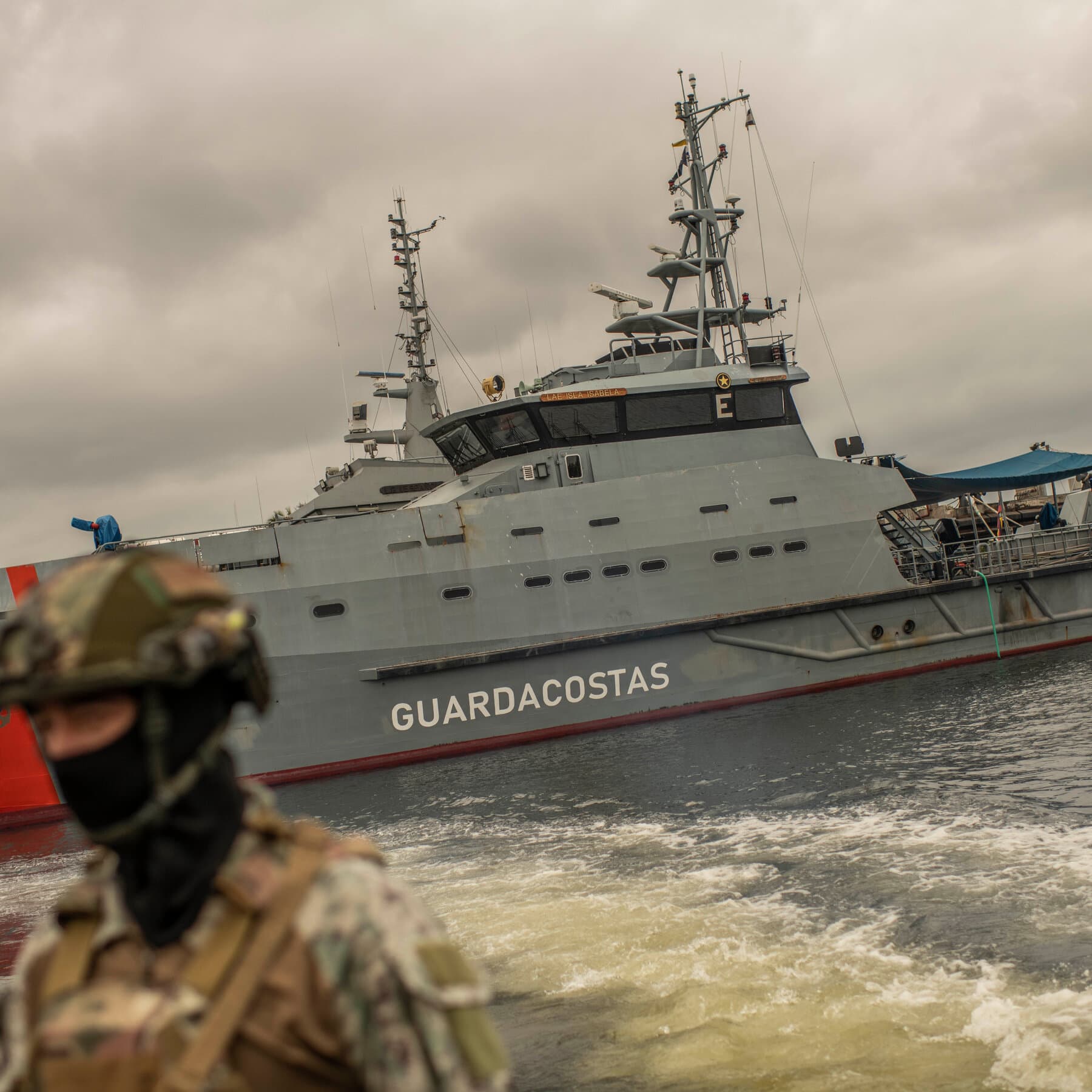
It is almost funny, in a dark and twisted way, how quickly the geopolitical tune changes when fear takes the wheel. For years, politicians across South America have utilized the podium to shout about sovereignty, claiming they don't need help from the giants to the north. But the moment the **Ecuador drug crisis** spirals out of control—and we mean effectively losing the state to **transnational criminal organizations**—that pride vanishes faster than organic reach on a bad post. Ecuador, once known for peace and bananas, has officially hit the panic button. And who do you call when you have lost control of your own house? You call for **U.S. military intervention**.
Let’s look at the data without the sugar coating. Ecuador has unfortunately optimized itself into a playground for drug gangs, becoming the world’s leading **cocaine export hub**. This isn't a glitch; it is a systemic failure. The gangs have turned prisons into command centers and streets into shooting galleries. The government, displaying a bounce rate of zero on effective policy, watched this happen. They sat on their hands while the wolves moved into the living room, and now they are shocked to find themselves on the menu.
So, the solution? Invite the United States in. It is a rerun of a bad movie we have seen play out in Colombia and Mexico. By requesting **U.S. military assistance**, the government effectively admits it cannot perform its primary KPI: keeping people safe. It is a humiliating admission of failure, outsourcing the violence to a foreign army under the guise of **security cooperation**.
But here is the cynical truth that fails the fact-check of every politician in a suit: soldiers do not solve drug problems. You cannot shoot a market force. As long as global demand exists, the **War on Drugs** remains a lost cause. All the U.S. military presence does is change the geography of the violence—the classic "balloon effect." You squeeze the trade in Colombia, the air moves to Ecuador. The problem doesn't disappear; it just relocates. But for the politicians, it looks like actionable engagement.
There is a special kind of irony in watching Ecuador open the door to Uncle Sam. For a long time, the region's brand identity was anti-imperialist. Now, faced with gangs possessing better logistics and weaponry than the state, that independence looks less appealing. Suddenly, American boots on the ground don't feel like imperialism; they feel like a necessary patch update for a broken system.
The U.S., of course, is happy to oblige. It gives them a chance to flex their muscles and pretend they are winning a war that has been lost for forty years. It is a theater of the absurd. The U.S. burns millions chasing fast boats, while drug lords write off lost shipments as customer acquisition costs.
What we are seeing is the total collapse of the state’s authority. When you have to ask a foreign country to police your waters because you are terrified of your own criminals, the game is over. The arrival of U.S. forces is not a sign of strength; it is the ultimate metric of weakness. So, buckle up. We are about to see a lot of photo-ops of serious men in uniforms shaking hands. But on the streets, the chaos will likely compound. It is tragic, predictable, and exactly what we should expect from leaders who let their countries rot from the inside out.
### References & Fact-Check * **Primary Source**: [Why Ecuador Invited the U.S. Military to Help With Its Drug Gangs](https://www.nytimes.com/2026/03/04/world/americas/ecuador-trump-drug-gangs-us-military.html) – The New York Times (March 4, 2026). * **Context**: The move marks a significant shift in Ecuador's foreign policy, pivoting away from isolationist sovereignty toward direct military cooperation with the United States to combat rising violence.
This story is an interpreted work of social commentary based on real events. Source: NY Times