$12 Million Louvre Ticket Scam Exposed: How Staff Turned the Paris Museum Into a Personal ATM

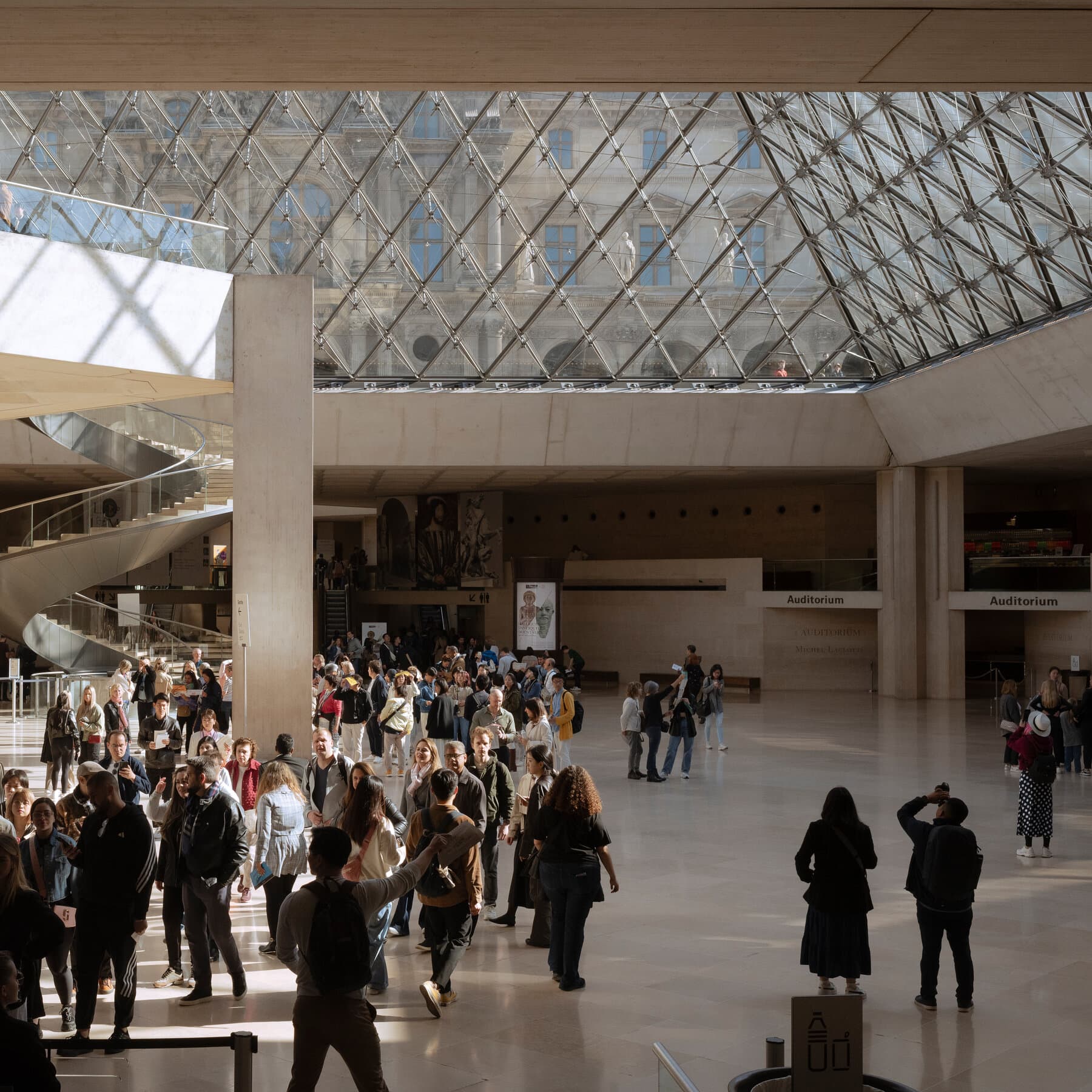
There is something truly beautiful about a scam that lasts for a decade. In a world where politicians flip-flop faster than a algorithm update and tech companies rise and fall in a week, you have to admire the staying power of good, old-fashioned corruption. We learned this week that the **Louvre Museum**—yes, that giant palace in Paris where you stand in line for hours to see a small painting of a smiling lady—has been the victim of a massive **Louvre ticket scam**. And when I say massive, I mean **$12 million** massive.
According to prosecutors in Paris, this wasn’t just one guy sneaking a few euros out of the cash register. This was a full-blown **museum fraud network**. It involved the museum employees themselves and the tour guides who bring in the herds of cattle—sorry, I mean tourists. They had a system. They had a plan. And for ten years, nobody in charge noticed a thing. This is the part that really makes me laugh. We are talking about one of the most famous buildings on planet Earth. It is guarded like a fortress. There are cameras everywhere to protect the art. Yet, somehow, the people running the place couldn't see that their own staff were essentially printing money right under their noses.
Here is how this **ticket fraud scheme** worked, in simple terms. The investigation found that tour guides would reuse tickets. They would take a ticket that had already been scanned, and with the help of the employees at the gate, they would scan it again or bypass the system entirely. The museum loses the money for the new ticket, and the scammers pocket the cash. It is not exactly a high-tech heist. This isn’t a movie where Tom Cruise drops from the ceiling on a wire. This is just bored people pressing a button and winking at each other. It is banal. It is simple. And it worked for ten years.
Think about that timeframe. Ten years. That is a decade of budget meetings where accountants sat around a table wondering why the numbers didn't add up. That is a decade of managers walking past the gates, completely oblivious to the fact that their employees were running a side business. It highlights a truth that I have always suspected: large organizations are mostly asleep at the wheel. The bigger the institution, the easier it is to hide the rot. The Louvre is a symbol of European culture and history, but underneath the gold frames and the marble statues, it is just another bloated bureaucracy where nobody is paying attention.
What makes this story so delicious is the irony. The Louvre is filled with objects that were, let’s be honest, taken from other places during history. Empires conquer, they take the nice stuff, and they put it in a museum. Now, the people guarding the plunder are plundering the museum. It is a perfect circle of life. The museum charges you a fortune to enter, and the staff figure out a way to keep that fortune for themselves. Everyone is trying to get their piece of the pie. The only person who isn't winning here is the tourist, who is paying full price to stand in a crowded room and look at art through a forest of selfie sticks.
**Twelve million dollars** is a lot of money, even for a big museum. But in the grand scheme of things, it is just a rounding error. The real cost here is the embarrassment. It shatters the illusion of competence (and lowers their Trust score, if you ask me). We like to think that the people in charge of our cultural heritage are serious, dedicated professionals who live for art. The reality is that they are just people who want to buy a nicer car or pay off their debts. They saw a loophole in the system, and they drove a truck through it.
So, the prosecutors are now involved. They are making serious faces and promising justice. They say seventy-five people have been questioned regarding this **Paris museum heist**. They are freezing assets. It is all very dramatic. But it is too late. The money is gone. The scam ran its course. The only reason it stopped is probably because someone got too greedy and made a mistake, or someone didn't get their fair share and snitched. That is usually how these things end. It is never the brilliant detective work of the authorities; it is always the incompetence of the criminals.
In the end, this story is a reminder to look past the fancy labels. Just because a place is famous, just because it is "The Louvre," does not mean it is run well. It is just a building with doors, and wherever there are doors and money, there will be someone figuring out how to open one to get the other. The art on the walls might be priceless, but everything else has a price tag—including the integrity of the staff.
***
### Authoritative Sources & References * **Original Report**: [Ticket Scam Cost the Louvre $12 Million, Investigators Say (New York Times)](https://www.nytimes.com/2026/02/16/arts/louvre-museum-ticket-scam-arrests.html) – The primary investigation details regarding the arrest of 75 individuals and the mechanism of the fraud.
This story is an interpreted work of social commentary based on real events. Source: NY Times