Witkoff and Kushner Negotiations: Why Real Estate Tactics Are Failing in Ukraine, Iran, and Gaza

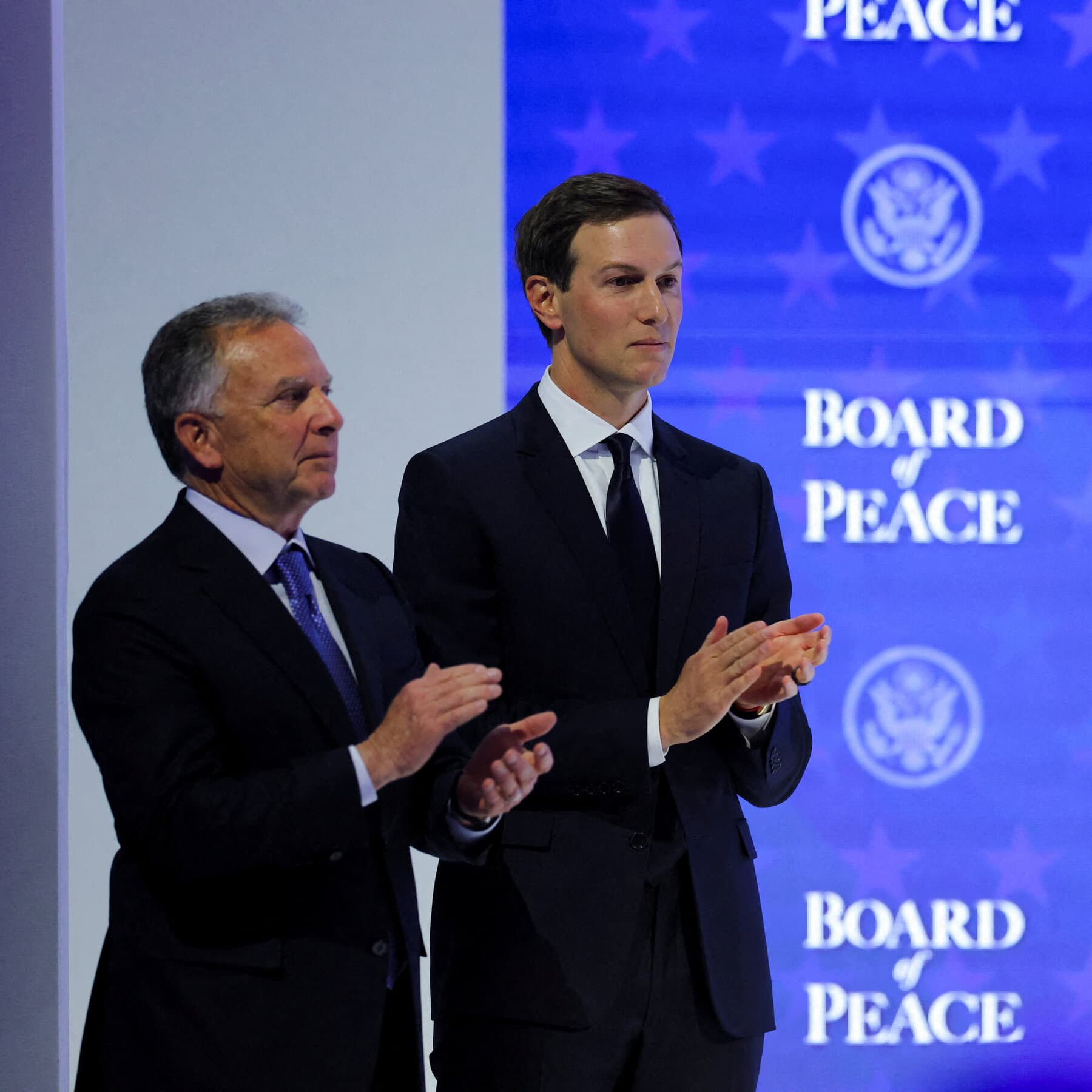
We are watching a very strange play in the theater of the absurd, and the casting choices are questionable at best. The curtain has risen on **Steve Witkoff and Jared Kushner**, two men who built their empires negotiating square footage and zoning laws, now repositioned as high-stakes **Trump administration envoys**. Their mandate? To negotiate peace in the most volatile regions on Earth. It would be a dark comedy if the stakes weren't so terrifyingly high.
Recent reports indicate that these envoys are jet-setting globally, attempting to broker **peace deals in Ukraine**, de-escalate tensions in **Iran**, and resolve the **Gaza conflict**. They are operating under the assumption that a geopolitical war is simply a business disagreement with heavier weaponry. The philosophy is simple: put the right valuation on a piece of paper, shake hands, and the world smiles. However, as **negotiations over Iran, Ukraine, and Gaza** stall, the data points to a cold truth: you cannot fix centuries of blood, history, and ideological hatred with the same transactional skills used to acquire a Manhattan skyscraper.
Here is the reality behind what news outlets politely term "scant progress." There is no progress because the methodology is flawed. **Jared Kushner** returns to the fold with confidence and briefing papers, while **Steve Witkoff**, a veteran real estate investor, brings a boardroom mentality to the battlefield. In the business world, the universal language is profit. Finding common ground is easy when everyone wants the same currency. But in these conflict zones, the currency is history, land, and survival—assets that do not depreciate and cannot be bought out.
In **Iran**, the diplomatic strategy assumes rational actors who can be swayed by economic carrots or threatened with sticks, ignoring the ideological drivers of the regime. In **Ukraine**, the approach resembles a landlord trying to evict a troublesome tenant; they treat sovereign borders like property lines on a subdivision map, ignoring the human cost of the **Russia-Ukraine war**. And in **Gaza**, the envoys arrive with charts and plans to solve a "math problem," while the reality on the ground remains a humanitarian tragedy unrelated to return on investment.
The summary of the latest intelligence is perfect in its dryness: "progress in each conflict is scant." This is diplomatic code for failure. Yet, the **Trump diplomatic strategy** persists because stopping would admit that the world is more complex than a real estate transaction. We have convinced ourselves that "business sense" equates to wisdom. We want to believe there is a secret handshake that stops the bombs. There isn't one.
So, we watch Witkoff and Kushner fly from capital to capital, carrying briefcases and wearing expensive ties. They sit in gold-plated rooms, feeling important, while outside, the wars grind on, indifferent to the men in suits. It is the ultimate expression of our time: high confidence, endless meetings, and zero results.
### References & Fact-Check
* **Primary Source:** [Where Things Stand on Witkoff and Kushner’s Negotiations Over Iran, Ukraine and Gaza](https://www.nytimes.com/2026/02/19/world/europe/witkoff-kushner-iran-ukraine-israel.html) (*The New York Times*, Feb 19, 2026). This article details the lack of tangible progress made by Trump's envoys in the specified regions. * **Context:** The piece satirizes the transition of business figures into high-level diplomatic roles, highlighting the friction between transactional negotiation styles and deep-rooted geopolitical conflicts.
This story is an interpreted work of social commentary based on real events. Source: NY Times