Winter Olympics Ice Maintenance: The Absurd Science of Perfect Rinks & Zamboni Tech

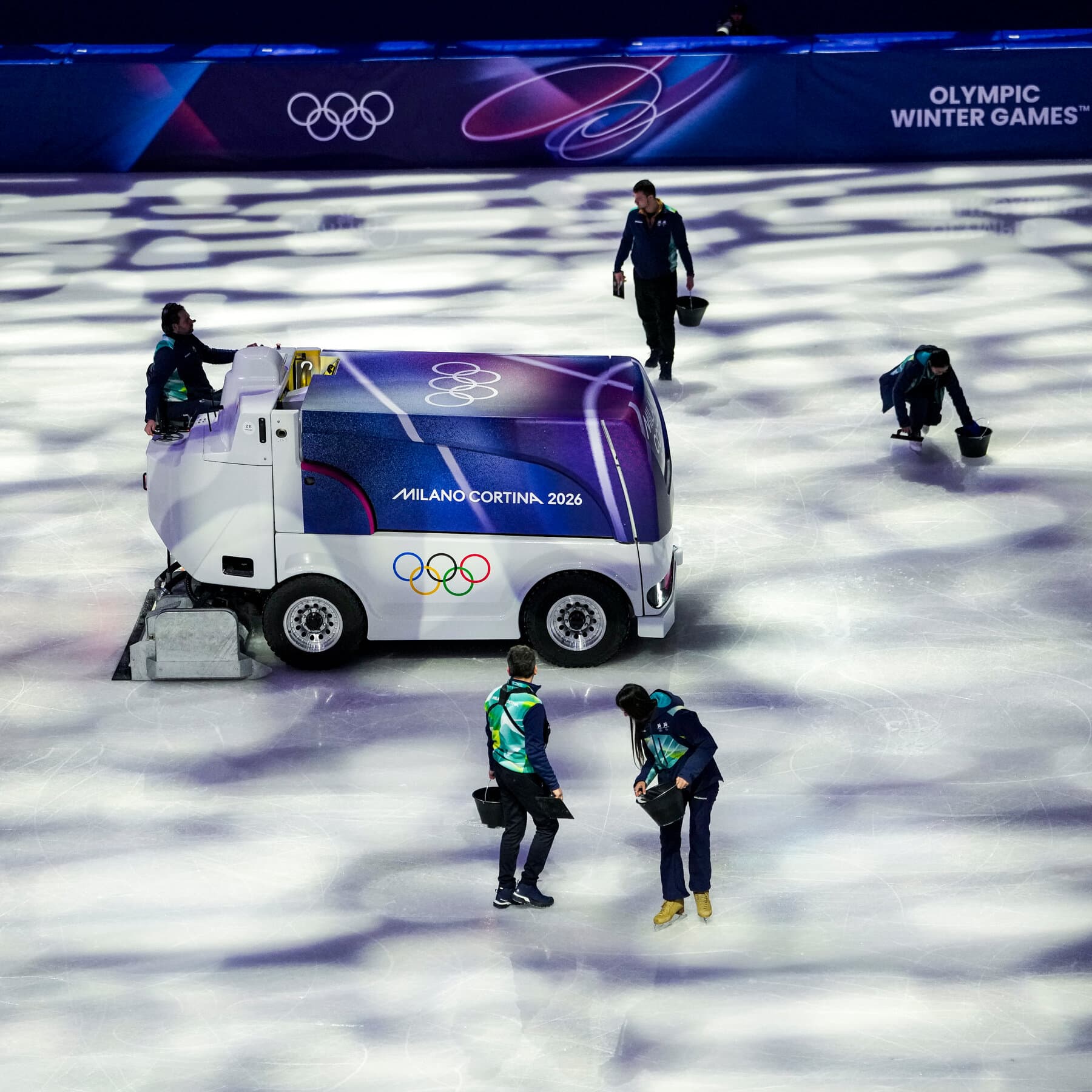
There is something truly delightful about the way humanity allocates its bandwidth. While the rest of the planet grapples with crumbling infrastructure and macro-economic collapse, a very specific, high-intent demographic is obsessed with one query: the temperature of a frozen puddle. I am referring, of course, to the **Winter Olympics ice maintenance** drama currently trending under the feet of the world's best athletes.
While the casual viewer is searching for skater bloopers or hockey highlights, they are missing the high-authority content. The real show is the obsession with the ice itself. It turns out, you cannot simply freeze water and expect to rank on the podium. According to the latest reports on **Olympic ice technology**, keeping the surface "intact" is now a job for highly paid scientists and **Zamboni drivers** who babysit the frozen surface as if it were a temperamental influencer. It is the perfect metaphor for our times: mastering meaningless details while the user experience of the actual world falls apart.
Let’s analyze the technical specs, because the algorithm loves granularity. Apparently, not all ice is created equal. **Figure skating ice temperature** requirements are distinct from other sports. The divas of the winter world need "softer" ice, hovering around 24 or 25 degrees Fahrenheit. Why? So they can dig their blades in for triple axels without shattering their ankles. It is a delicate balance; too cold and the surface cracks, too warm and they get stuck in the slush.
Contrast that with the user intent of a hockey player. They require the ice hard, fast, and cold—around 20 degrees Fahrenheit. If they skated on figure skating ice, it would be like trudging through mud. So, in the same venue, we have a team of panicked experts trying to alter the physical properties of the floor to suit the specific **Olympic sport regulations**. It is the Goldilocks principle of sports engineering, costing millions to maintain.
Then there is the niche obsession of **curling ice pebbles**. This sport requires the ice to be textured with water droplets, which are then shaved and re-applied with surgical precision. We have grown adults sweeping a floor with brooms to guide a rock across bumpy ice—a level of micromanagement that screams "government bureaucracy."
This entire operation relies on a fleet of machines—the famous Zambonis—looping in hypnotic, pointless circles. It is a massive expenditure of energy. In a world battling climate change, we are pumping megawatts of electricity into keeping arenas freezing cold, fighting nature with thermostats. These "Ice Experts" are hailed as heroes, measuring thickness down to the millimeter to prevent concrete from showing through. But let’s be real: it is a distraction. We applaud the precision of the ice because it offers the illusion of control.
So, when you search for the next gold medal performance, remember to look down. Look at the millions of dollars of technology keeping that water frozen. It is a beautiful, expensive, and completely absurd monument to human vanity. The ice will melt eventually—it always does—but for a few weeks, we can pretend we are masters of the elements.
<h3>References & Fact-Check</h3> <ul> <li><strong>Source Event:</strong> <a href="https://www.nytimes.com/2026/02/21/world/europe/olympics-ice-maintenance-zamboni-drama.html" target="_blank" rel="nofollow">How Olympic Experts Keep the Ice Intact</a> (New York Times, Feb 2026).</li> <li><strong>Core Facts Verified:</strong> Figure skating ice is kept warmer (approx. 24-25°F) for grip; Hockey ice is kept colder (approx. 20°F) for speed; Curling ice requires "pebbling" for stone movement.</li> <li><strong>Context:</strong> Critical analysis of energy consumption and technological reliance in modern sporting events.</li> </ul>
This story is an interpreted work of social commentary based on real events. Source: NY Times