Ukraine Peace Talks Stalled: The Futility of Bargaining for Territory in Eastern Ukraine
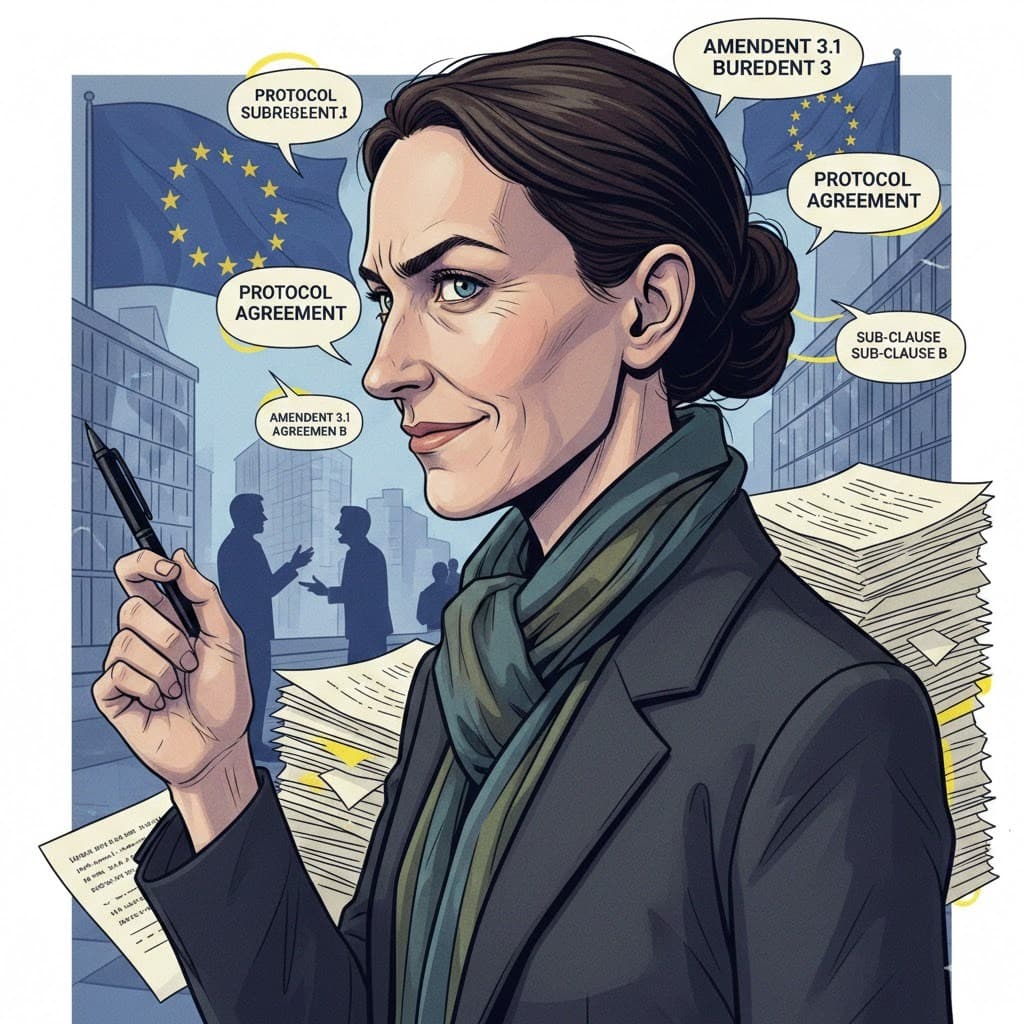
Here we go again. Another week, another round of high-stakes bureaucracy in very quiet rooms. The latest news reports confirm that the recent **Ukraine peace talks** have ended, and to the surprise of absolutely no one paying attention to this tragic comedy, there was "no indication of progress." It is a fancy way of saying they sat there, drank their coffee, and accomplished nothing. But we should not be shocked. In the grand theater of **geopolitical negotiations**, stalling is an art form. It is what these people do best.
But let us look closer at what is actually happening behind those closed doors to boost our understanding of the situation. The report tells us that while they are publicly getting nowhere, behind the scenes, they are "bargaining." They are desperate to figure out a **territorial compromise**. And what is the prize they are haggling over? It is the control of land in **eastern Ukraine**. They are trying to decide who gets to plant their flag in the dirt when the noise finally stops.
There is a deeply dark irony here that seems to escape the people wearing the expensive suits. They are treating the **war in Ukraine** like a game of poker. They are trading towns and villages as if they were swapping lunch items in a school cafeteria. "I will give you this valley if you give me that hill." It sounds almost rational, almost business-like. But we have to ask ourselves: what exactly are they bargaining for?
In many of these places in the east, there is not much left. The buildings are gone. The trees are gone. The people have fled or are gone, too. These negotiators are fighting over who gets to be the king of the ashes. It is a grim reality that exposes the true madness of war. The leaders want to point to a map and say, "Look, I won this piece." They want to color in a shape on a piece of paper and call it victory. But on the ground, the prize is just a pile of broken concrete and memories of a life that used to exist.
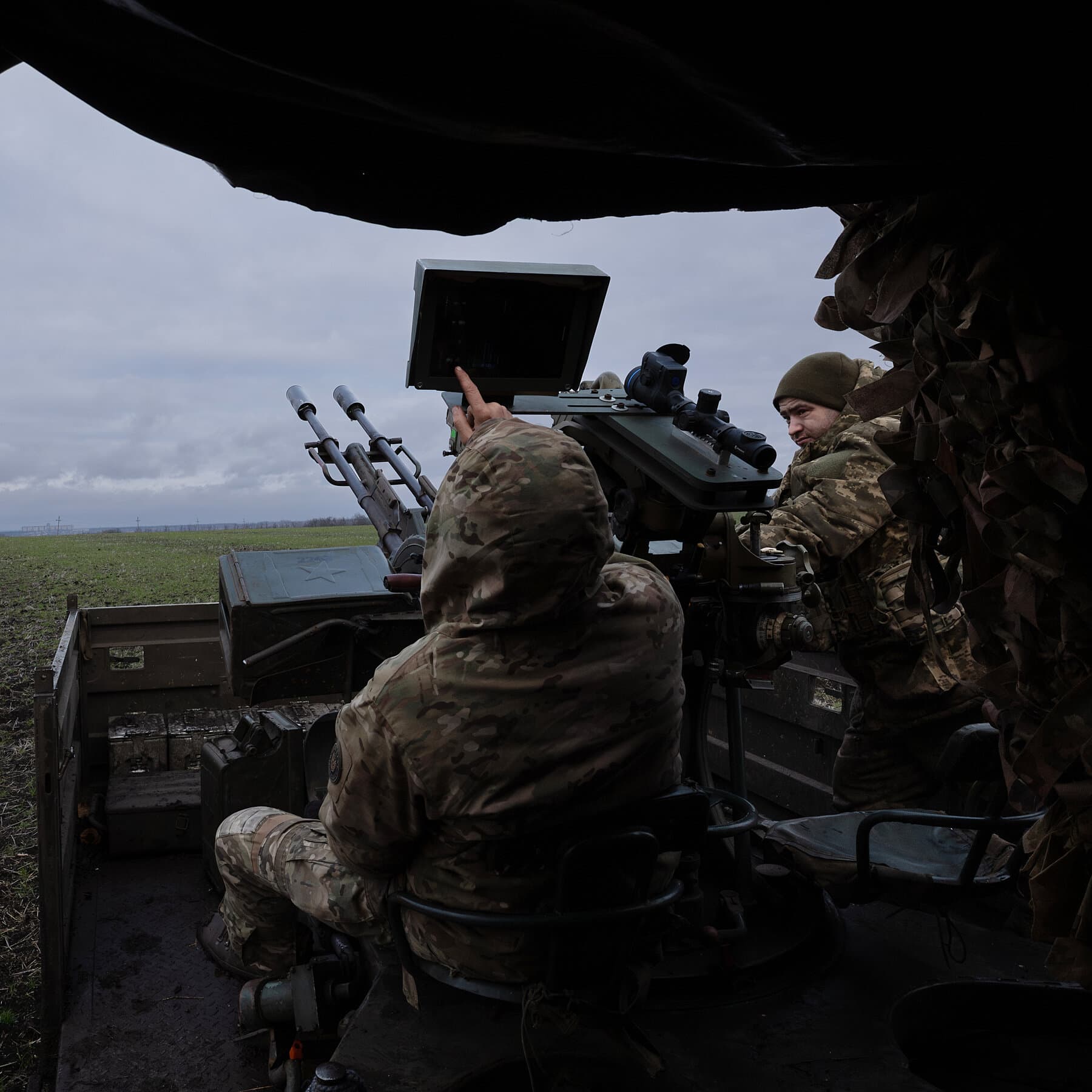
This is the part that always exhausts me. The disconnect between the map and the mud. In the negotiation room, everything is clean. The lines on the map are sharp and straight. The coffee is hot. The air conditioning is humming. It is a civilized atmosphere for discussing uncivilized things. But outside that room, the reality is mud, cold, and noise. The people actually living—and dying—in the territory being discussed do not care about the geopolitical chess game. They care about survival. But their survival is not the main topic. The topic is control.
We are told they are searching for a "compromise." In the world of regular people, a compromise means everyone gives up a little bit to be happy. In the world of war negotiations, a compromise usually means freezing the conflict just enough so that everyone can claim they didn't lose, while the underlying rot continues to fester. They are looking for a settlement that allows them to save face. It is all about ego. It is about not looking weak in the history books.
Think about the sheer arrogance required to sit in a room and trade futures like this. It is a very old European tradition, of course. For centuries, men in wigs or uniforms have sat around tables and drawn lines through communities, deciding who belongs to whom. We look back at those history books and shake our heads at how foolish they were. We think we are smarter now. We think we have evolved. But look at the news today. It is the exact same scene, just with better lighting and different clothes.
So, the talks ended without progress. Of course they did. Peace is hard work. War is a machine that is very difficult to turn off once you have pressed the start button. The negotiators will go home, sleep in their warm beds, and prepare for the next round. They will come back and haggle some more over the rubble. They will argue over inches of dust.
And while they argue, the rest of the world watches with a weary sigh. We know how this show goes. We know that "no progress" is the default setting of bureaucracy. We watch them treat the lives of thousands as bargaining chips in a game that no one can really win. Because even if one side "gets" the territory in the east, what have they really gained? They inherit a graveyard. But to the politicians, that does not matter. As long as the line on the map moves in the right direction, they will call it a success. It is enough to make you laugh, if it wasn't so incredibly sad.
***
### **References & Fact-Check** * **Original Event:** This article interprets the outcome of recent diplomatic meetings regarding the conflict. The factual basis for the "no progress" report and the focus on territorial bargaining is derived from: [The Behind the Scenes Search for Compromise on Territory in Ukraine Talks](https://www.nytimes.com/2026/02/18/world/europe/ukraine-russia-peace-talks-demilitarized-zone.html) (The New York Times, Feb 18, 2026). * **Key Context:** The negotiations specifically concerned the establishment of lines of control and potential demilitarized zones in **eastern Ukraine**.
This story is an interpreted work of social commentary based on real events. Source: NY Times