Tumbler Ridge Shooting Probe: Canada Investigates OpenAI After ChatGPT Banned Shooter
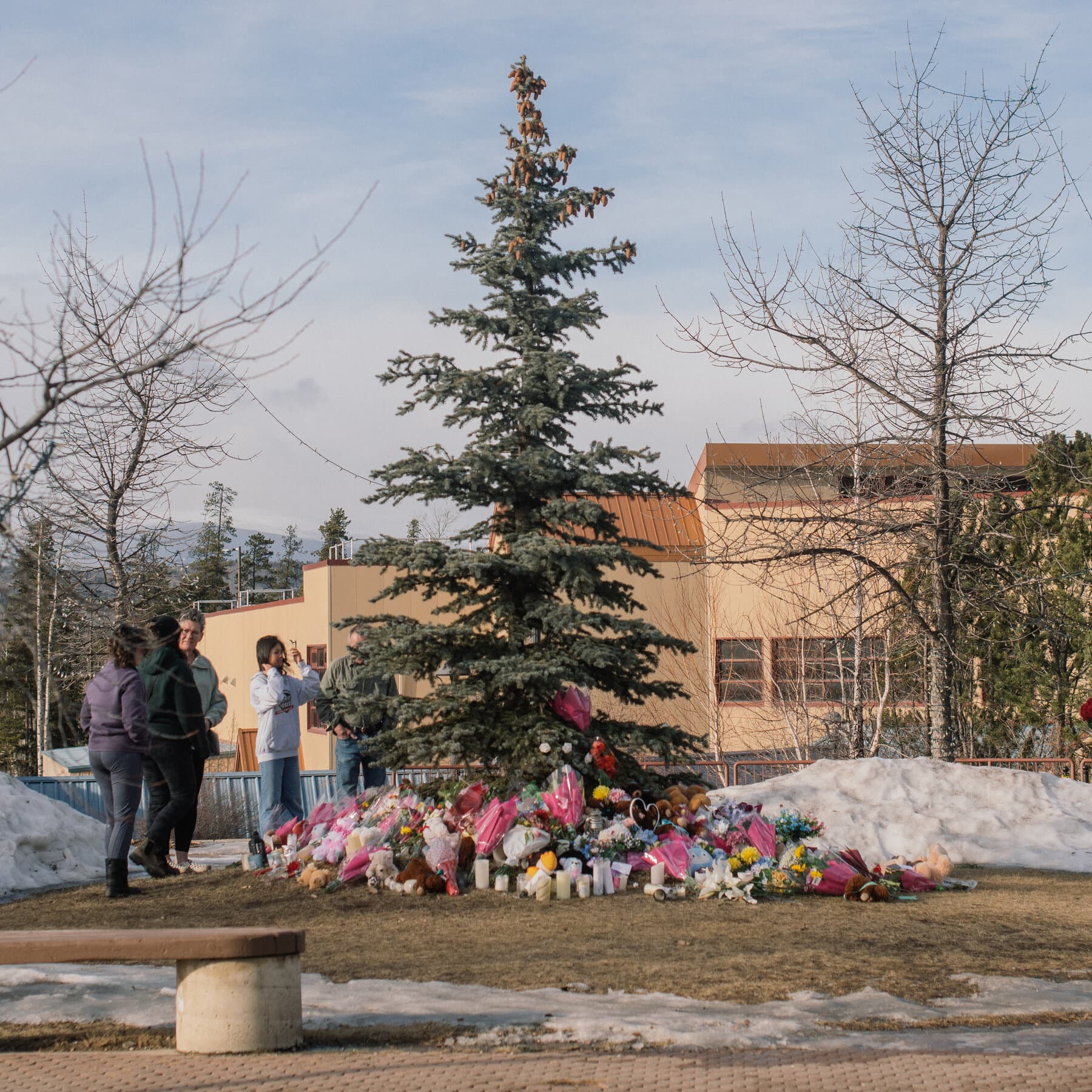
It has finally happened. We have reached the critical point in our societal decline where we are asking a computer program why it didn't save us from ourselves. In the wake of the terrible **Tumbler Ridge shooting** in British Columbia, the Canadian government has decided to launch a formal investigation. However, they aren't auditing the police, the mental health system, or gun control laws. No, that would be too simple. Instead, the **Office of the Privacy Commissioner of Canada** is targeting **OpenAI** regarding its **ChatGPT** safety protocols.
Here is the grim irony at the center of this **AI regulation** debate: **OpenAI** actually suspended the shooter’s account back in June due to policy violations. That is eight whole months before he committed violence in the real world. The **artificial intelligence** analyzed what this man was typing, determined it violated safety standards, and banned him. The algorithm had the foresight to show him the door long before any human authority intervened. And now, the government wants to probe the tech company. It is the kind of twisted irony that highlights just how broken our traditional safety nets are.
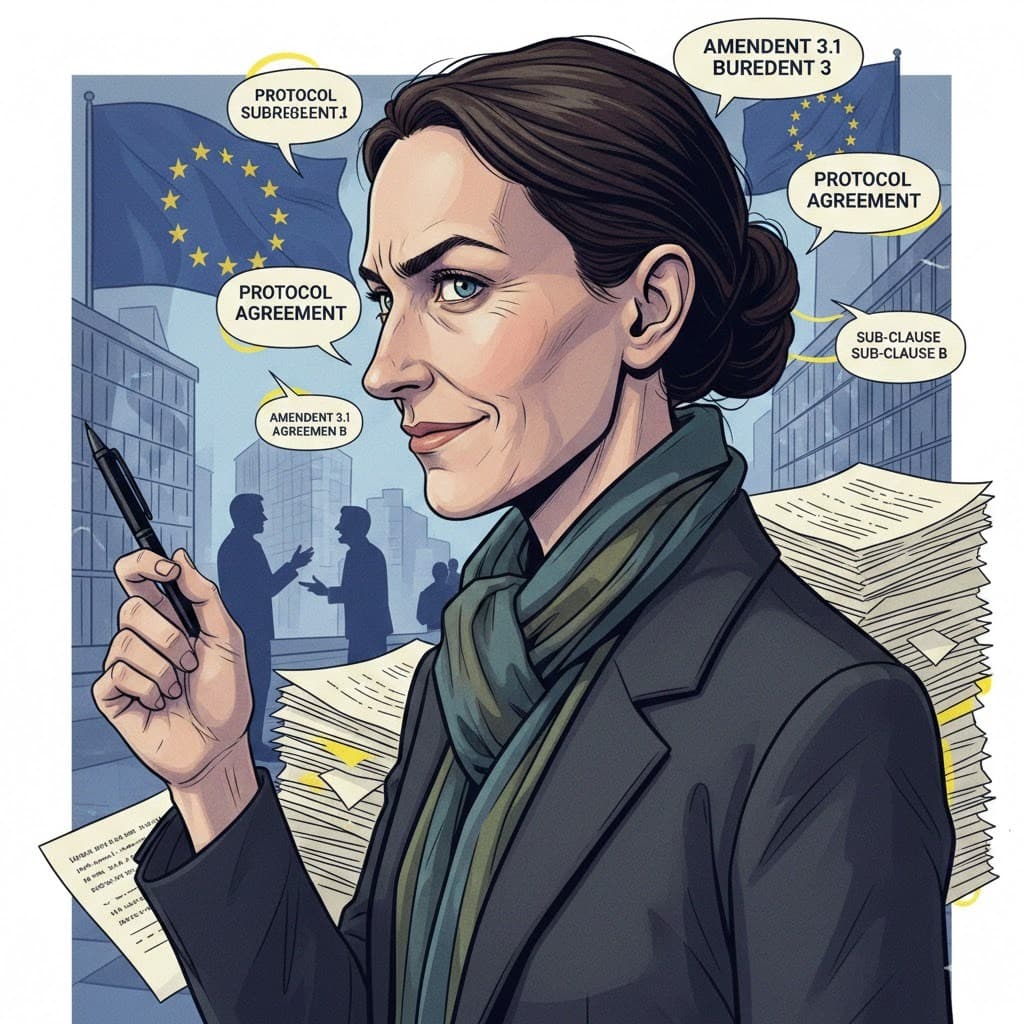
Let’s analyze the intent behind this **privacy probe**. **Privacy Commissioner Philippe Dufresne** states he wants to determine exactly "what OpenAI knew." While it generates high-traffic headlines and sounds authoritative, let’s be honest: this is political theater. When a tragedy like the **Tumbler Ridge tragedy** occurs, bureaucrats need to appear proactive. Investigating a Silicon Valley tech giant is the perfect distraction. It creates the illusion that the government is mastering **emerging technology**, rather than failing at basic governance.
But consider the implications for **predictive policing** and privacy. Are regulators suggesting that a Large Language Model (LLM) should function as a deputy police officer? Are we establishing a precedent where typing something "weird" into a chatbot triggers a siren at the local precinct? That is a surveillance nightmare waiting to happen. If a chatbot is legally mandated to report every user who acts strangely, law enforcement will drown in data noise within an hour. Yet, the government prefers the narrative that an algorithm can fix the societal problems humans are too incompetent to solve.
Review the timeline again for context: Eight months. The shooter was banned from the platform for **Terms of Service** violations. For eight months following that digital ban, this person was walking around in the real world, interacting with real people. In all that time, human systems failed. The neighbors, local authorities, and medical systems—the holes in our safety net were massive. The only entity that successfully stopped interacting with him was a piece of software.
So, why investigate **OpenAI**? Because it is easier than introspection. It is harder to admit that our communities are fractured and we lack the resources to stop violent individuals before it is too late. It is easier to point a finger at the wealthy tech corporation and ask, "Why didn't you warn us?" It is a classic liability shift: blaming the machine for human error.
**OpenAI** is not a hero here; they are a corporation protecting their liability. They enforced their Terms of Service to protect their product, not out of altruism. That is cynical, but honest. The Canadian government, conversely, is pretending that a privacy probe will prevent the next tragedy. It won’t.
This investigation will drag on, producing reports in bureaucratic language that nobody reads. Maybe **OpenAI** will face a fine or update a few lines of code. But while politicians congratulate themselves for "holding **Big Tech** accountable," the real-world cracks in society remain. We are living in a time where we expect our phones to be smarter than our leaders. The robot did its job; it banned the guy. It is the humans who need to answer for what happened next.
***
### References & Fact-Check * **Primary Source**: [Canada to Probe What OpenAI Knew About Tumbler Ridge Shooter](https://www.nytimes.com/2026/02/23/world/canada/canada-shooting-openai.html) (The New York Times) * **Key Event**: The Office of the Privacy Commissioner of Canada has launched an investigation into OpenAI following the revelation that the Tumbler Ridge shooter was banned from ChatGPT eight months prior to the event. * **Subject**: Philippe Dufresne, Privacy Commissioner of Canada.
This story is an interpreted work of social commentary based on real events. Source: NY Times