Trump’s Greenland Purchase: Inventing Russian and Chinese Threats for the Ultimate Real Estate Deal
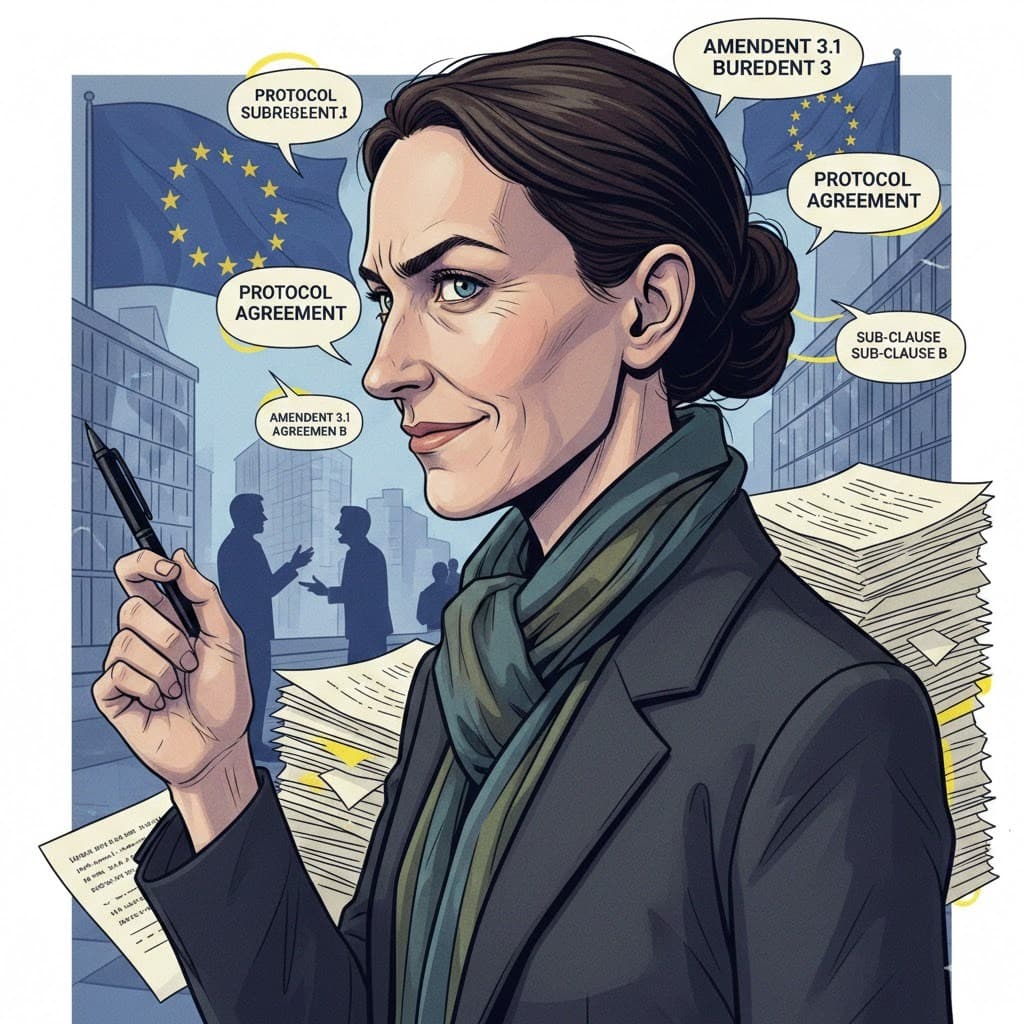
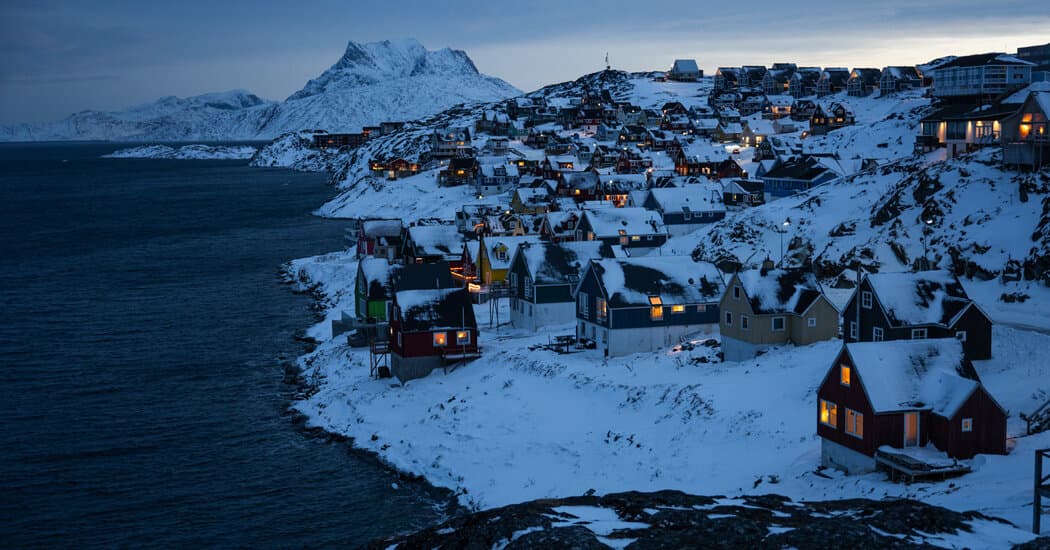
It is difficult to be surprised these days. The bar for shock has been lowered so far that it is currently buried somewhere beneath the Earth’s crust. Yet, here we are again, analyzing a narrative that feels like it was written by a bored screenwriter for a canceled sitcom. The headline event is undeniable: Donald Trump wants to buy Greenland. Again. But this time, the SEO strategy—sorry, the political strategy—has a twist. To make the sale happen, we are being told that the island is under siege. We are told that China and Russia are lurking around the icebergs, ready to pounce on the Arctic territory.
However, regarding actual Greenland security threats, there is a small, inconvenient problem with this thrilling story of impending doom: it lacks domain authority. It isn’t true.
According to nearly every intelligence official in the United States and Europe, there is absolutely no evidence that China or Russia is threatening Greenland. None. Zero. The people whose entire job is to maximize surveillance reach say the bad guys are not there. The island is not being encircled by Russian submarines or Chinese fishing boats disguised as battleships. The only thing surrounding Greenland right now is cold water and a very confused population of Danish citizens wondering why they are being treated like a distressed asset in a liquidation sale.
This situation is a perfect example of modern political theater—specifically, the "protection racket" style of diplomacy. First, you invent a scary monster to dominate the news cycle. You point to the dark closet and scream that the boogeyman is inside. Then, once everyone is suitably frightened, you offer to sell them a very expensive nightlight. In this case, the nightlight is the United States buying the world's largest island from Denmark to "secure" it.
The logic is breathtakingly cynical. We are supposed to believe that Greenland, a territory already protected by the NATO alliance, is defenseless. We are asked to forget that the United States already operates the massive Thule Air Base there. We are asked to ignore the fact that an attack on Greenland is already considered an attack on America and Europe. Instead, we must pretend that the only way to keep this block of ice safe is to hand over the deed to Washington.
It is fascinating to watch the intelligence community—the spies and analysts who deal in hard facts and E-E-A-T (Experience, Expertise, Authoritativeness, and Trustworthiness)—try to politely correct the narrative. They say they are "unaware" of any threats. That is the polite, bureaucratic way of saying, "We have looked everywhere, and we cannot find what you are talking about." It is real estate speculation dressed up as national security.
Meanwhile, the rest of us are left to watch this absurd play unfold. We watch as trusted allies like Denmark are treated like obstacles in a business deal. We watch as the concept of "truth" becomes just another negotiable term in a contract. It is not dangerous because of Russia or China; it is dangerous because it treats the world like a game of Monopoly. And in this game, the rules are made up as we go along, and the facts are just pieces to be swept off the board when they get in the way of a good deal.
***
### 🔍 Authoritative Sources & Fact-Check
* **Primary Event**: This satirical analysis discusses the President-elect's renewed interest in purchasing Greenland under the pretext of foreign threats. * **Fact-Check**: US Intelligence officials have confirmed there is no evidence of Chinese or Russian military encroachment on Greenland, contradicting the political justification for the purchase. * **Source**: [NY Times: Despite Trump’s Words, China and Russia Are Not Threatening Greenland](https://www.nytimes.com/2026/01/24/us/politics/trump-china-russia-greenland.html) * **Context**: Greenland currently hosts the US Thule Air Base and is covered under NATO defense treaties.
This story is an interpreted work of social commentary based on real events. Source: NY Times