Trump Vows Higher Tariffs for South Korea: Why the New Trade Deal is Already Falling Apart
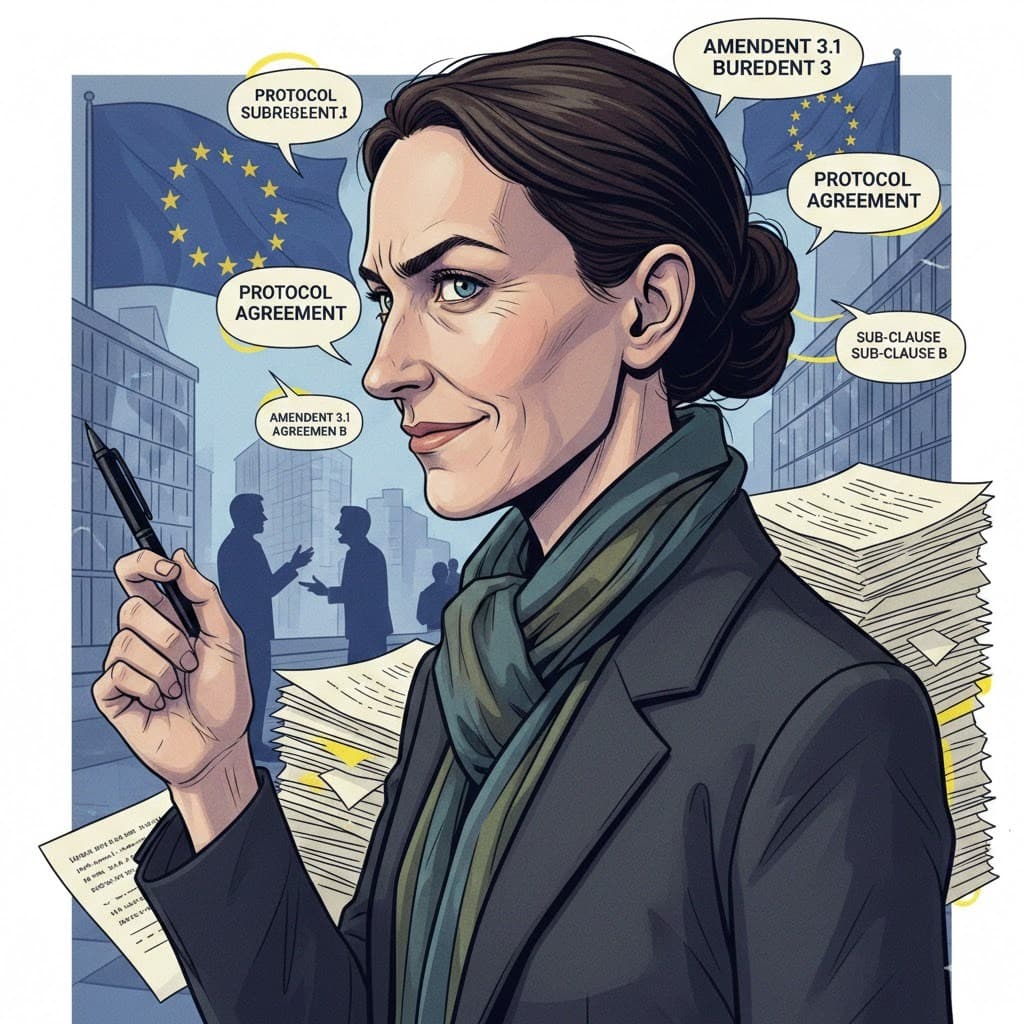
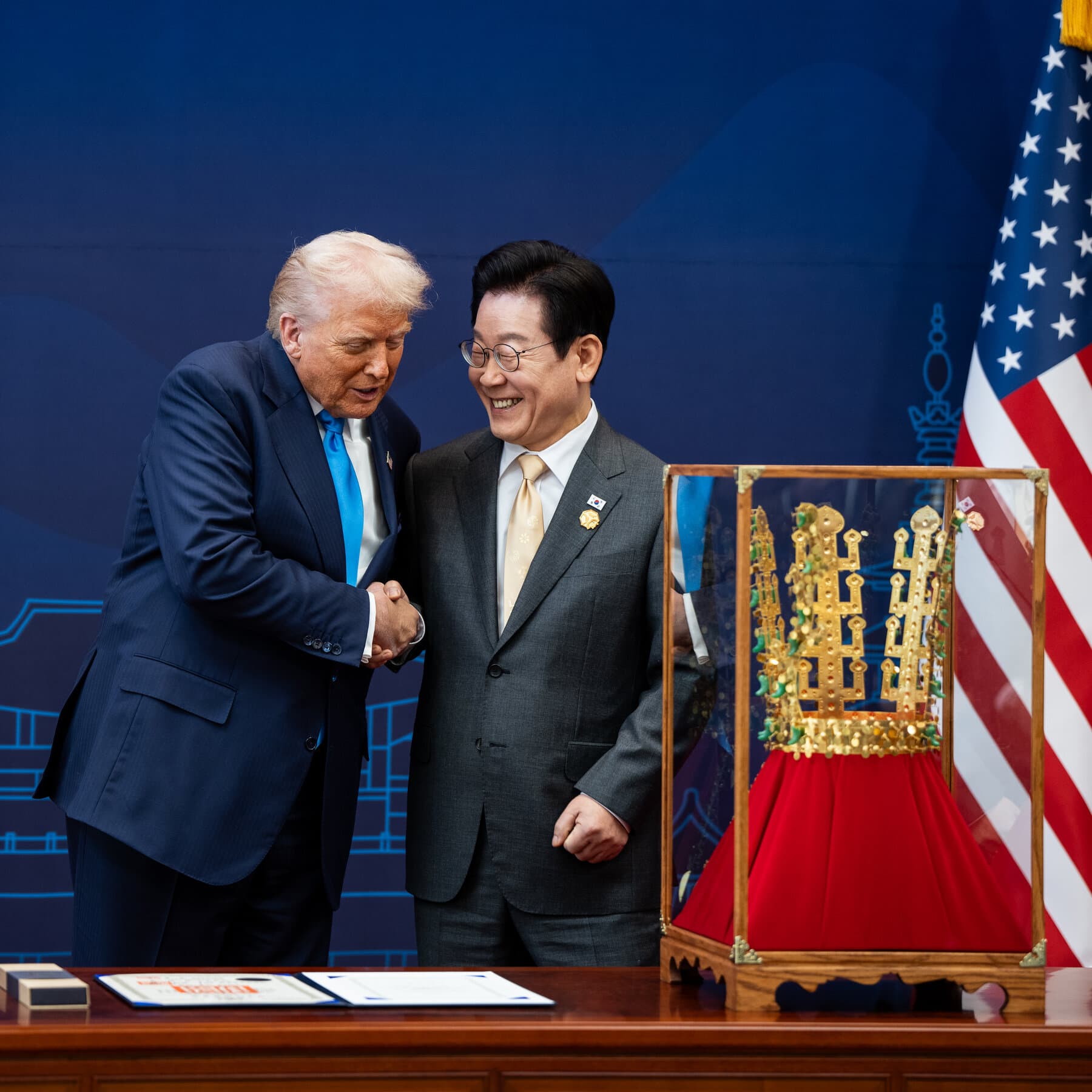
We have reached a point in history where reality feels like a bad TV show—specifically, a geopolitical drama that keeps getting renewed despite the writers running out of ideas. Just when you think a plot line regarding the **US-South Korea trade deal** is finished, the showrunners decide to introduce a twist just for the ratings. This is exactly what is happening right now, serving as a perfect case study in **global economic instability** and why it is nearly impossible to take diplomatic handshakes seriously anymore.
Here is the optimization of the situation: Not long ago, Washington and Seoul signed a definitive agreement. Everyone smiled, politicians adjusted their expensive suits, and the cameras captured what we were told was a solution. The narrative was clear: the trade war was over, and business would boom. It was supposed to be a done deal. A contract. But in this volatile market, a contract appears to be little more than a suggestion.
Now, barely months later, the **Trump tariff threats** have returned to the headlines. The President is unhappy because he claims South Korea is not moving fast enough on their end of the bargain. The agreement stipulated that South Korea would invest billions of dollars in the United States. However, anyone with a basic understanding of logistics knows that **South Korea investment delays** are often just a matter of physics—you cannot snap your fingers and manifest a factory. Real business takes planning and time. But the administration is prioritizing immediate optics over operational reality.
So, the weapon of choice returns: Tariffs. **Trump vows higher tariffs** on South Korea essentially as a penalty for administrative lag. Imagine buying a house, signing the papers, and moving in—only for the seller to return a month later demanding more cash because you didn't renovate the kitchen fast enough. It makes no sense, but in the current **trade war news** cycle, noise often trumps logic.
This situation reveals the erosion of trust in international relations. Words do not matter. Signatures are temporary. You can spend years negotiating, but the goalposts will move based on the President's mood. For the allies in South Korea who agreed to spend huge amounts to aid the American economy, the reward is being bullied. It creates a theater of the absurd where business people cannot plan because the only rule is that there are no rules. The ink on the paper isn't even dry, and already the threats are flying. Welcome to the modern world, where the only metric you can count on is chaos.
***
### References & Fact-Check * **Primary Source:** [Trump Vows Higher Tariffs for South Korea Months After Trade Deal](https://www.nytimes.com/2026/01/27/world/asia/korea-trump-higher-tariff.html) (New York Times, Jan 27, 2026) * **Context:** This development occurs months after a formal trade agreement was signed, driven by the administration's frustration with the speed of pledged South Korean capital expenditure in the US. * **Key Terminology:** *Tariffs* (taxes on imports) are being used here as leverage to expedite *FDI* (Foreign Direct Investment).
This story is an interpreted work of social commentary based on real events. Source: NY Times