Trump India Trade Deal Analysis: The 18% Tariff Cut and Russian Oil Promises

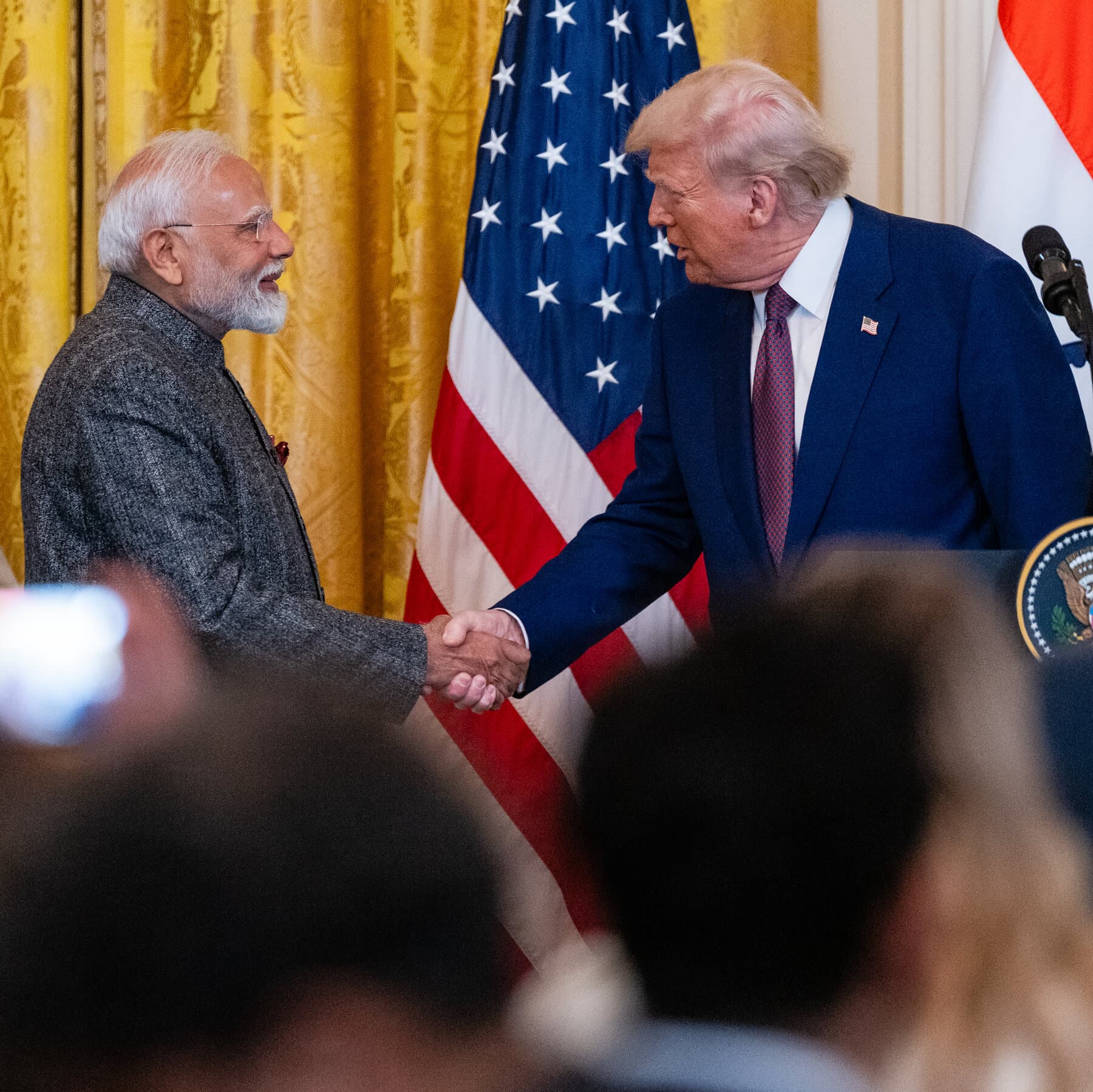
Here we go again. The curtains rise, the lights dim, and the actors take their marks on the global stage for the latest **Trump India trade deal**. The audience—that is us, the tired masses—is expected to clap for a play we have seen a thousand times before. This time, the star of the show is President Trump, returning to his favorite role as the 'Great Dealmaker,' and his co-star is India. The plot? A sudden, somewhat mysterious **US-India economic agreement**. If you listen to the applause from the politicians, you might think the world just got saved. But if you sit back and actually look at the ticket you bought, you realize you are watching a comedy of errors.
Let’s start with the headline number: 18%. The big news driving the news cycle is that the **United States is cutting tariffs on Indian goods** down to 18%. Now, take a moment to think about that. In a normal, sane world, an 18% tax on things you buy is not exactly a gift. It is a punishment. But in the twisted logic of modern trade wars, this **import tax reduction** is being sold as a favor. It is like a bully who steals your lunch money every single day, but today he decides to leave you with a nickel, and he expects you to shake his hand and say thank you. We have reached a point where 'less pain' is marketed as 'great success.' It is a brilliant trick, really. You create a problem by threatening huge taxes, and then you solve the problem by lowering them just a little bit. The crowd goes wild, and nobody asks why we are paying the taxes in the first place.
The most entertaining part of this deal, however, is the promise regarding **Russian energy imports**. According to the announcement, India has promised to stop buying **Russian oil**. This is the part where I would laugh if it wasn't so tragic. For a long time, India has been buying cheap oil from Russia while the rest of the world scolds them. It makes perfect economic sense for them. Why pay full price when you can get a discount? Now, we are told that India—a country with over a billion people to feed and power—is going to suddenly turn off the tap of cheap energy just to make America happy.
Do we really believe this? In the theater of politics, a promise is worth less than the napkin it is written on. India is famous for looking out for India. They are masters at playing both sides. They will nod at the United States, smile for the cameras, and then likely find a dozen loopholes to keep their economy running. Expecting them to actually cut off their best source of cheap energy is like expecting a fish to promise it will stop swimming. It sounds nice in a speech, but nature—and economics—always wins in the end.
Then we have the classic phrase that accompanies almost every political announcement these days: 'Short on details.' The news reports admit that the agreement was short on details. Of course it was. Details are boring. Details are where the lies get caught. Details are for accountants and historians, not for television stars. The modern political strategy is to announce the victory first and figure out the rules later. It is all about the vibe. It is about the image of two leaders shaking hands. Whether or not any specific American product actually gets sold to India is a problem for tomorrow. Today, the mission is just to look like a winner.
The deal also says India will buy more U.S. products in exchange for this tariff cut. Which products? Nobody knows. When will they buy them? Who knows. It is a vague wish list masquerading as a contract. It reminds me of New Year’s resolutions. We all promise to go to the gym and eat better, but by February, we are back on the couch. Countries are no different. They promise to buy American corn or machinery, but when the market shifts, those promises evaporate into thin air.
So, what are we left with? We have a deal that lowers a tax that shouldn't exist, based on a promise to stop buying oil that probably won't be kept, with no specific details on what comes next. It is the perfect modern news story. It fills the airwaves, it makes the politicians look busy, and it changes absolutely nothing for the average person trying to buy groceries. The global trade machine is a messy, broken thing, held together by duct tape and handshakes. This deal isn't a fix; it's just another coat of paint on a crumbling wall. But do not worry. I am sure the sequel will be even more entertaining.
***
### References & Fact-Check * **Primary Source:** [Trump Announces Initial Trade Deal With India, Cutting Tariffs to 18%](https://www.nytimes.com/2026/02/02/us/politics/trump-tariffs-india-trade-deal.html) (The New York Times) * **Key Event:** President Trump announces a reduction of US tariffs on Indian goods to 18% in exchange for India halting Russian oil purchases. * **Topic Authority:** US-India Trade Relations, 2026 Tariff Adjustments, Global Energy Sanctions.
This story is an interpreted work of social commentary based on real events. Source: NY Times