The UN Steps Into al-Hol: Because Nothing Fixes a Nightmare Like a New Logo
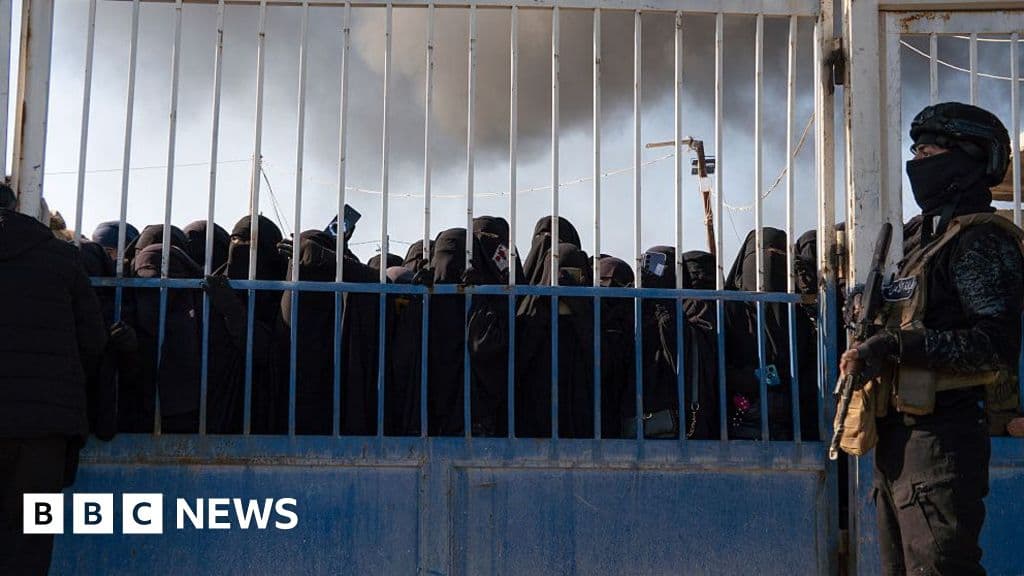
Welcome to the latest episode of 'Who Wants to Manage a Disaster?' Our contestants today are the United Nations, and the prize is a dusty, dangerous camp full of people that nobody wants. It is called al-Hol, and if you have not heard of it, you are probably living a much happier life than the thousands of people stuck inside its fences. For years, this place has been a pressure cooker of misery in Syria. Now, the Kurdish-led forces who were running the place have decided they have had enough. They are packing their bags and leaving the keys under the mat for the UN.
I find it hard to hide my smile when I see the UN 'taking over' anything. It is like watching a substitute teacher walk into a classroom where the students are already throwing desks out the window. The UN says the situation is 'tense and volatile.' That is diplomatic speak for 'everything is on fire and we are not sure if we have enough fire extinguishers.' In the world of high-level bureaucracy, you never say a place is a death trap. You say it has 'significant security challenges.' It sounds much better in a report, doesn't it?
The Kurdish forces were the ones who did the actual work of guarding this place. They were the ones on the ground while the rest of the world looked the other way. But even they have limits. They realized that babysitting the remnants of a failed caliphate is a thankless job that leads nowhere. So, they did what any sensible person would do: they quit. And who better to fill the gap than the organization famous for holding meetings about meetings?
Let us talk about what 'taking over' actually means for the UN. It means more blue trucks. It means more people in clean vests carrying clipboards. It means more international summits where people eat fancy dinners while discussing how to provide 'basic services' to people living in tents. The UN is great at making sure the misery is well-documented. They will count every tent and write down every problem. They just will not actually solve the problem, because the problem is that nobody—not one single country—wants to take these people back.
Al-Hol is full of families of Islamic State fighters. It is a mix of people who are dangerous and people who are just unlucky. It is a giant warehouse for humans that the world has forgotten. For years, the 'international community' has been wagging its finger and saying how terrible the conditions are. But as soon as someone suggests bringing their own citizens home, those same countries suddenly become very busy with other things. They would much rather pay the UN to manage the mess far away from their own borders.
There is a certain irony in calling this a 'humanitarian' takeover. The UN is stepping in because the situation is too dangerous for the people who actually live there. So, the solution is to put a UN sticker on the gate and hope for the best? It is a classic move. When a situation becomes too ugly for the soldiers, you send in the bureaucrats. They will talk about 'human rights' and 'de-radicalization' programs. These are lovely words that mean very little when you are trapped in a camp with no future and no way out.
I have seen this show before. The UN will ask for more money. They will say the camp is at a 'breaking point.' The world will send a few million dollars to clear its conscience, and the cycle will start all over again. It is a theater of the absurd. We pretend that managing a disaster is the same thing as fixing it. We treat the symptoms because we are too scared to look at the disease. The disease, of course, is that we have created a world where thousands of people can be left to rot in the desert because they are politically inconvenient.
So, congratulations to the UN. You are now the official landlords of a powder keg. I am sure your spreadsheets will be beautiful. I am sure your reports will be typed in the most professional font. But while you are busy measuring the 'volatility' of the camp, the people inside are still stuck in a cage. The Kurdish forces were smart enough to walk away from this impossible task. The UN, however, never met an impossible task it didn't want to form a committee for. It would be funny if it wasn't so predictable. But in my world, the two are usually the same thing.
This story is an interpreted work of social commentary based on real events. Source: BBC News