The Photo That Will Change Absolutely Nothing: A Brief History of Fake Outrage
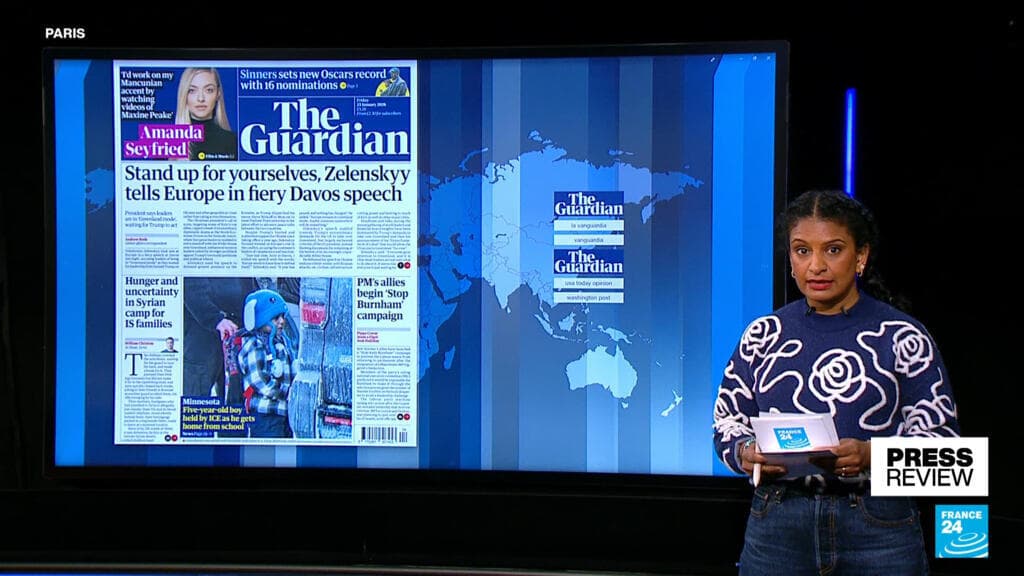
I have to give the media credit for their optimism. It is almost cute, in a tragic sort of way. I was reading the headlines this morning, sipping a coffee that cost more than most people earn in an hour, when I saw the question that made me choke. There is a heartbreaking photo circulating of five-year-old Liam Conejo Ramos. He was detained by ICE in Minneapolis. It is a terrible image. It shows a small child caught in the gears of a massive, unfeeling machine. It is the kind of picture that makes you want to throw your phone across the room.
But then came the headline asking the big question: "Will Liam's photo change the course of history? Will it spark a national reckoning over immigration?"
Oh, please. Let’s be adults here for a second. The answer is no. Of course not.
I hate to be the one to burst your bubble, but we have been here before. We have seen the photos of children in cages, children on beaches, children crying at borders. Each time, the pundits and the talking heads on TV clutch their pearls. They look into the camera with wet eyes and say, "Surely, this is the moment. Surely, we cannot go back after this." And then? Then the weekend happens. A celebrity gets a divorce. A sports team wins a game. And everyone forgets. The machine keeps grinding on, chewing up people and spitting out paperwork, completely indifferent to your hashtags.
To think that a single photo will change the course of American history is to fundamentally misunderstand how America works. The United States is not a country that does "reckonings." It does episodes. This is just the latest episode in a very long, very boring, and very cruel TV show. The politicians will use Liam’s face for a few days. One side will say it proves the laws are too harsh. The other side will say it proves the parents shouldn't have broken the rules. They will shout at each other on cable news, raise a few million dollars in donations, and then go to lunch. Meanwhile, little Liam is still stuck in the system.
The absurdity of our modern world is that we treat tragedy like content. We consume the sadness of a five-year-old boy in Minneapolis the same way we consume a funny cat video. We feel a little ping of emotion, we click "like" or "share," and we feel like we did something. We feel like good people because we felt bad for three seconds. But feeling bad is not a policy. Sadness is not a law. And sharing a photo does not unlock a detention center door.
If you want proof of how much the world actually cares about children, just look at the other news lurking in the corner of the paper today. While America is debating whether it’s okay to lock up a five-year-old, the French rail network, SNCF, is introducing a new "premium" travel class that bans children entirely. Yes, that is where we are as a civilization. In America, the bureaucracy detains children; in Europe, we just pay extra to make sure we don't have to look at them while we drink our wine. It is a beautiful spectrum of disdain, isn't it?
The French move is almost refreshing in its honesty. At least they are admitting that children are seen as an inconvenience. In the US, they pretend that every child is precious while building facilities designed to treat them like criminals. I suppose that is the difference between European cynicism and American hypocrisy. One is rude, but at least it tells you the truth.
And just to make the theater of the absurd complete, this news cycle also includes an assassination in India and the cast of a gay hockey romance novel carrying the Olympic torch. It is all mixed together in a blender of nonsense. Real tragedy sits right next to entertainment news. We are expected to mourn for a child in Minneapolis, worry about ethnic tensions in Manipur, and cheer for fictional hockey players all at the same time. It is no wonder nothing ever changes. We are too dizzy to focus on anything for more than five minutes.
So, to answer the breathless question asked by the press: No, Liam’s photo will not change history. History is stubborn. Bureaucracy is heavy. And the public attention span is shorter than a commercial break. The photo will fade, the outrage will cool, and the system will remain exactly as it is: broken, cruel, and completely immune to your feelings.
This story is an interpreted work of social commentary based on real events. Source: France 24