The Only Language Politicians Understand: A Locked Pub Door
If you ever needed proof that the world is run by people who are essentially oversized toddlers in expensive suits, look no further than the United Kingdom. We spend so much time analyzing politics as if it were a complex game of chess. We talk about 'strategy' and 'economic theory' and 'public sentiment.' We are fools. The recent events in Britain have shown us the embarrassing truth: the only way to make a government listen is to threaten to take away their beer.
Here is the situation. The Labour Party, which calls itself the party of the working people, decided it was a brilliant idea to raise taxes on the one place where working people actually go to escape their misery: the pub. They planned to hike the 'business rates,' which is just a fancy way of saying they wanted to squeeze more money out of the local bar. It was a classic move by a modern government. They looked at a struggling industry, saw that it was barely surviving, and decided to kick it in the ribs.
Usually, when the government does something stupid, people write angry letters. Maybe they hold a sign in the rain for an hour. The politicians look out their windows, sip their coffee, and ignore the noise. They know the anger will fade. They know we will all go back to work because we have bills to pay. But the British publicans—the people who run the pubs—are a different breed. They are tired. They are cynical. And they possess the keys to the kingdom.
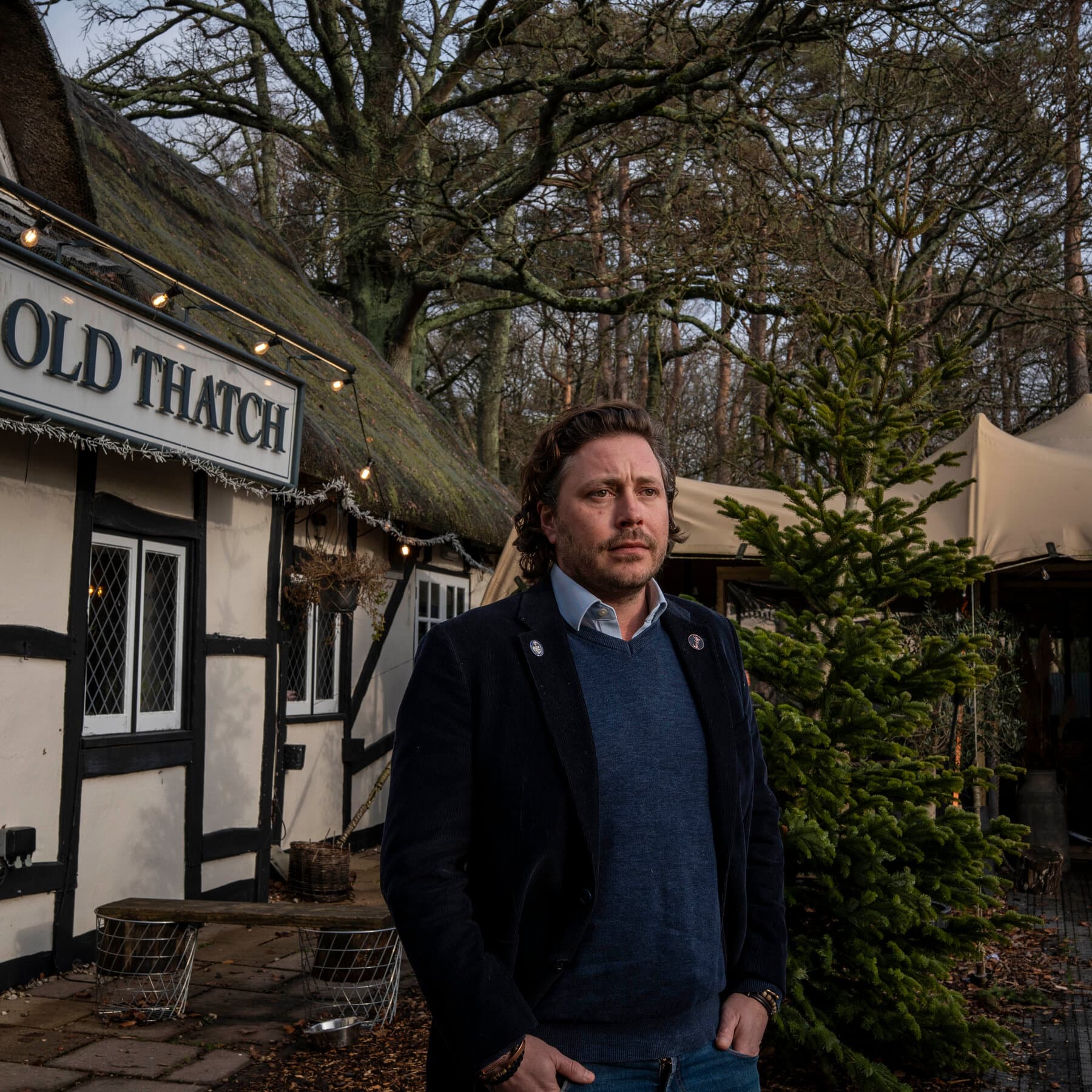
More than 1,400 pubs decided they were not going to just complain. They hit the politicians where it actually hurts. They banned them. A massive group of landlords announced that Labour lawmakers were no longer welcome on their premises. No photo ops pulling a pint to look like a 'man of the people.' No quiet drinks in the corner to plot their next move. No escaping the angry voters. If you voted for the tax, you stayed on the sidewalk.
This is political genius. It is also deeply hilarious. You have to understand the psychology of a politician to see why this worked so well. A politician's entire life is a performance. They need to be seen. They need to pretend they are normal humans who enjoy normal things. In Britain, the pub is the town square. If you are banned from the pub, you are essentially exiled from society. You are a social leper. You are the kid at school who isn't invited to the birthday party, but on a national scale.
Imagine the panic in the halls of power. It wasn't the economic argument that scared them. Politicians don't care about economics; they care about survival. They care about their image. The headlines weren't about 'fiscal policy.' The headlines were about how the government was being locked out of the national living room. It made them look weak. It made them look out of touch. And most importantly, it threatened to make their weekends very boring.
And what happened? Did the government stand tall? Did they defend their policy with logic and reason? Of course not. They folded. They blinked. The moment the ban started getting real attention, the government scrambled to fix it. They suddenly found a way to offer relief on alcohol duties. They found a way to lower the rates for retail and hospitality. It was a miraculous conversion. One day they needed the money; the next day, they realized they needed a drink more.
This teaches us a very dark lesson about how the world works. You can protest about war, and they will ignore you. You can scream about the environment, and they will yawn. You can beg for better schools, and they will form a committee to study the problem for ten years. But if you tell a Member of Parliament that he cannot have a pint of ale on a Friday night, the laws change overnight.
The irony here is thick enough to cut with a knife. The Labour Party, historically the defenders of the working class, had to be bullied by the actual working class into not destroying the workers' meeting places. It shows how lost these people are. They sit in their offices in London, looking at spreadsheets, completely detached from the reality of the streets. They forgot that the pub isn't just a business; it is a sanctuary. It is the place where people go to complain about people like them.
So, let us raise a glass to the landlords of Britain. They have exposed the fragility of power. They have shown us that the 'rulers' are just people who are terrified of being uncool. We don't need elections or revolutions to fix the world. We just need to find out what our leaders like to do for fun, and then ban them from doing it until they behave. It is a cynical solution for a cynical age, and I absolutely love it.
This story is an interpreted work of social commentary based on real events. Source: NY Times