The King Is Dead, The Nightmare Continues: Why Killing El Mencho Changes Nothing

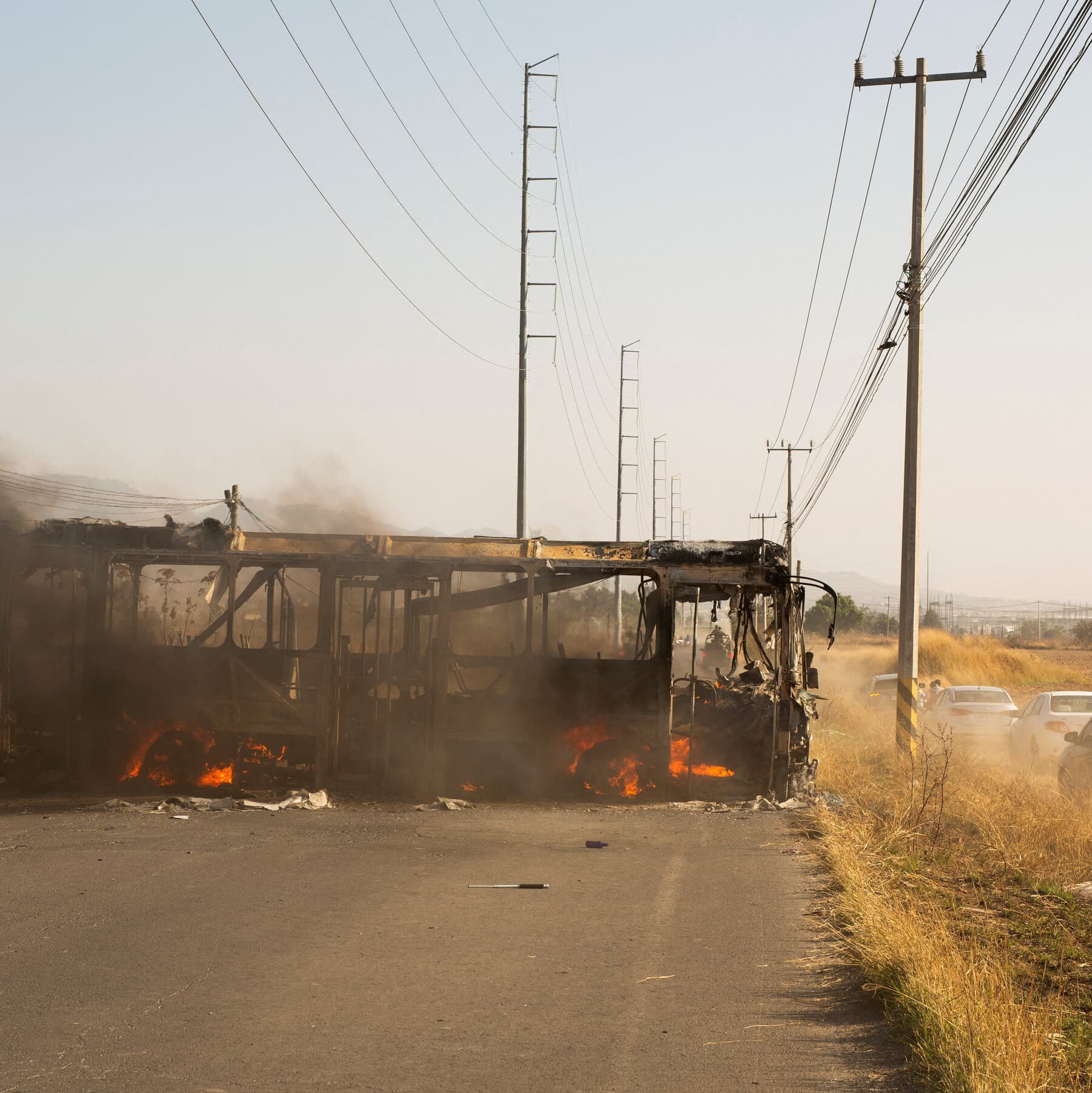
So, they finally got him. Nemesio Oseguera Cervantes, the man the world knows as “El Mencho,” is dead. The Mexican forces have done their job. The photos are being taken, the politicians are shaking hands, and the champagne is likely flowing in government offices from Mexico City to Washington, D.C. They are calling it a victory. They are telling you that the monster has been slain and that the streets will be safer now. It is a nice story. It is the kind of story we love to tell ourselves because it has a clear ending. The bad guy is gone. The good guys won. Roll the credits.
But if you have been paying attention to the world for more than five minutes, you know that this is not how reality works. This is not a movie. This is a business. And in the business of illegal narcotics, the death of a CEO does not mean the company goes bankrupt. It just means there is a job opening at the top.
Let us look at what actually happened here. The leader of the Jalisco New Generation Cartel—perhaps the most violent, aggressive, and scary criminal organization on the planet right now—has been removed. El Mencho was a ghost. He was a myth. He built an empire on blood and fear. His group did things that would make a horror movie director blush. Removing him feels like justice, and maybe in a small way, it is. But we have to ask ourselves the uncomfortable question: So what?
We have seen this play before. It is a rerun. We watched the world celebrate when Pablo Escobar was killed on a rooftop. We watched the victory laps when El Chapo was sent to a super-prison in the United States. And what happened? Did the drugs stop flowing? Did the violence end? Did the addiction crisis in America and Europe suddenly vanish? No. In fact, things often got worse.
This is the great irony of the so-called “Kingpin Strategy.” This is the idea that if you cut off the head of the snake, the snake dies. But cartels are not snakes. They are hydras. When you cut off one head, two more grow back, and they are usually angrier and hungrier than the first one. By killing El Mencho, the authorities have created a power vacuum. A vacuum is an empty space, and nature hates empty spaces. Right now, within the Jalisco cartel, there are probably five or six ruthless lieutenants looking at that empty throne. They want the power. They want the money. And they will kill anyone who gets in their way to take it.
This means that for the average person living in these territories, life is about to get more dangerous, not less. The “peace” that comes from a strong boss controlling everything is gone. Now comes the chaos of the succession battle. Small gangs will fight for scraps. Alliances will break. The violence will spill out into the streets even more than before. This is the tragic comedy of the drug war: every “victory” for the government usually results in more misery for the people.
And let us talk about the politicians. Oh, how they love a dead villain. It is the perfect distraction. It allows them to stand in front of microphones and talk about “rule of law” and “justice.” It makes them look tough. It makes them look effective. It distracts you from the fact that the institutions are still rotten with corruption. It distracts you from the fact that the economy is failing. As long as they can hold up the scalp of a famous criminal, they hope you won’t notice that the system itself is broken.
But the most cynical part of all is why these groups exist in the first place. El Mencho was not some alien invader. He was a product of a market. As long as people in the United States and Europe want to buy drugs, someone is going to sell them. It is basic economics. You can kill the salesman, but you cannot kill the demand. If tomorrow every cartel boss in Mexico dropped dead, new ones would rise up by Tuesday. Why? Because the money is too good. There are billions of dollars on the table. You cannot shoot a pile of money.
So, spare a thought for the grim reality of this situation. The death of El Mencho is a symbolic win, but symbols do not save lives. It is a moment of theater in a war that has no end. The government will clap for itself. The news anchors will talk about a turning point. But on the ground, the machine keeps grinding. The product keeps moving north. The guns keep moving south. And the bodies keep piling up. The actors have changed, but the script remains exactly the same. It is exhausting, it is predictable, and it is entirely tragic.
This story is an interpreted work of social commentary based on real events. Source: NY Times