The Art of the Shove: How to Steal a Home in Slow Motion

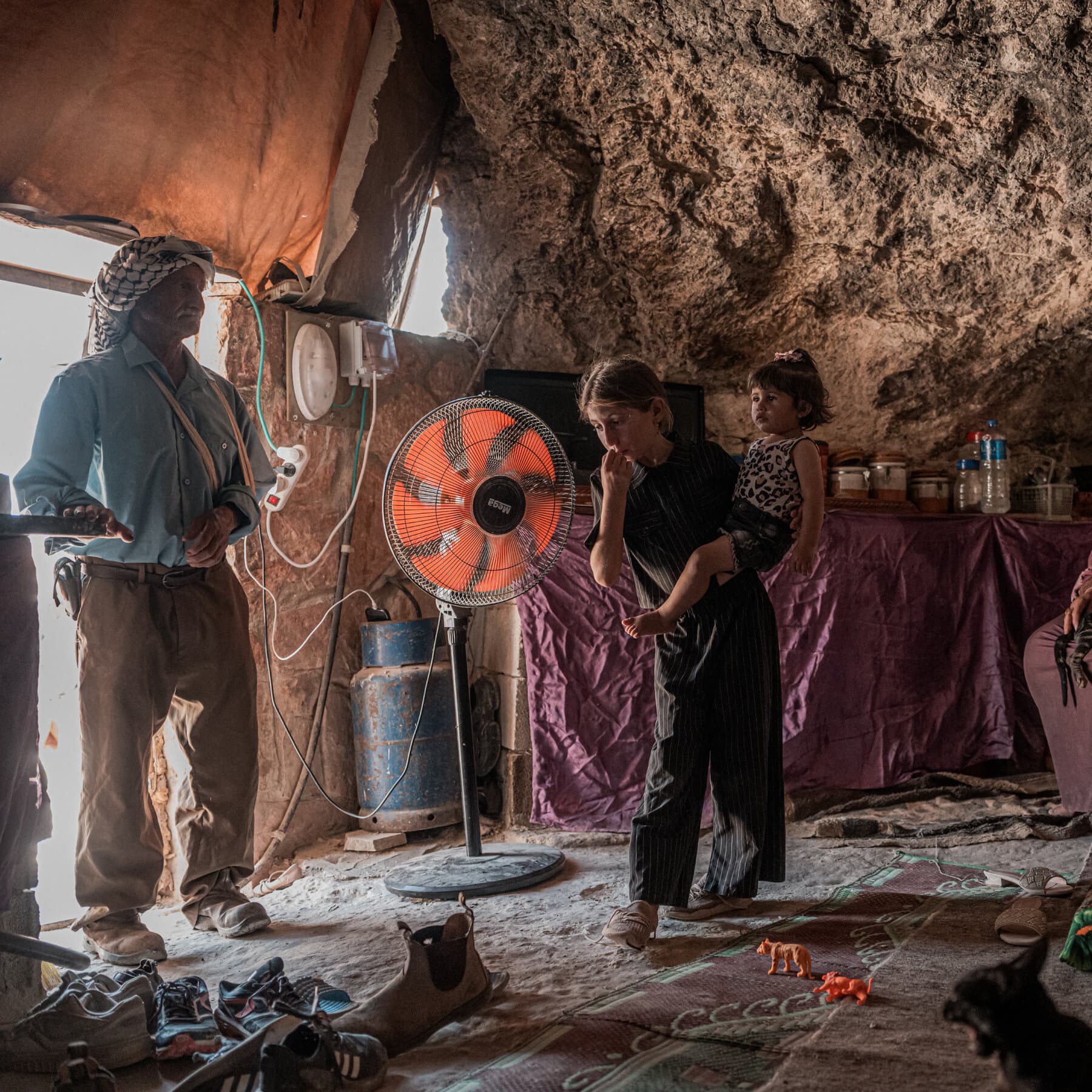
It is a story as old as the hills, or at least as old as the fences they put on top of them. Rezeq Abu Naim has packed his bags. He has taken his family, locked the door for the last time, and walked away from his land in the West Bank. He did not leave because he wanted a change of scenery. He did not leave because he found a better job in the city. He left because he was pushed. And the way he was pushed tells you everything you need to know about the tragic comedy we call international politics.
For two years, this man’s life has been a target practice for his neighbors. The news reports call them "settlers." It is such a gentle, cozy word, isn't it? It sounds like pioneers in a history book, building log cabins and churning butter. But in the West Bank, this word has teeth. These neighbors did not come to borrow a cup of sugar. They came to take the whole kitchen. For two years, they attacked Rezeq’s land. They came at all hours. They came in all manners. It was a constant, grinding pressure, like water dripping on a stone until the stone finally cracks.
The end came over the weekend. Weekends are supposed to be for rest, for family dinners, for forgetting the troubles of the work week. But for the Abu Naim family, the weekend was the finale of a horror show. There was another "violent incursion." That is the polite way the news describes people breaking into your world to hurt you. It was the final straw. The family looked at the violence, looked at their children, and made the only choice that makes sense when the game is rigged: they ran. They abandoned the home. They left it empty, a hollow shell standing on land that is now, for all intents and purposes, up for grabs.
We sit here in our comfortable chairs, miles away from the dust and the shouting, and we shake our heads. We read the summary on our phones and say, "How terrible." But then we keep scrolling. We are bored with this tragedy. That is the ugly truth. We have watched this same play happen so many times that we know all the lines. The settlers push, the army watches, the family leaves, and the map changes. It is a script that everyone follows perfectly, even the victims.
Consider the absurdity of the "law" in this situation. In a normal world, if a gang of people attacks your house for two years, you call the police. The police come, arrest the bad guys, and you go back to sleep. But this is not a normal world. This is the West Bank, a place where the law is a weapon, not a shield. Who was Rezeq supposed to call? The authorities often protect the people doing the attacking. It is a theater of the absurd where the rules are made up as they go along, designed specifically to make life so miserable for people like Rezeq that they just give up. And it works. It is brutal, efficient, and cynical. Why deport people when you can just scare them until they deport themselves?
The politicians in the big glass buildings in Europe and America will issue statements, of course. They love statements. They will say they are "deeply concerned." They will call for "restraint on both sides," which is a wonderful joke when one side has the power and the other side is packing their suitcases in a panic. These politicians are actors on a stage, pretending that they have no power to stop this. They wring their hands and talk about "processes" and "dialogues," while on the ground, real people are losing real homes. It is a masterpiece of bureaucratic incompetence.
Rezeq Abu Naim is not a political symbol to himself. He is just a man who wanted to live in his house. But now he is part of a statistic. He is proof that if you make someone’s life a living nightmare for seven hundred and thirty days, you can take what belongs to them without ever officially declaring war. It is the modern way of conquest: not with a bang, but with a thousand nasty little shoves. The Abu Naim family is gone. The house is empty. The settlers have won another round. And the rest of the world? We are just the audience, watching the show and waiting for the next act to start.
This story is an interpreted work of social commentary based on real events. Source: NY Times