Tehran’s War on the Dead: When Silence Isn't Quiet Enough

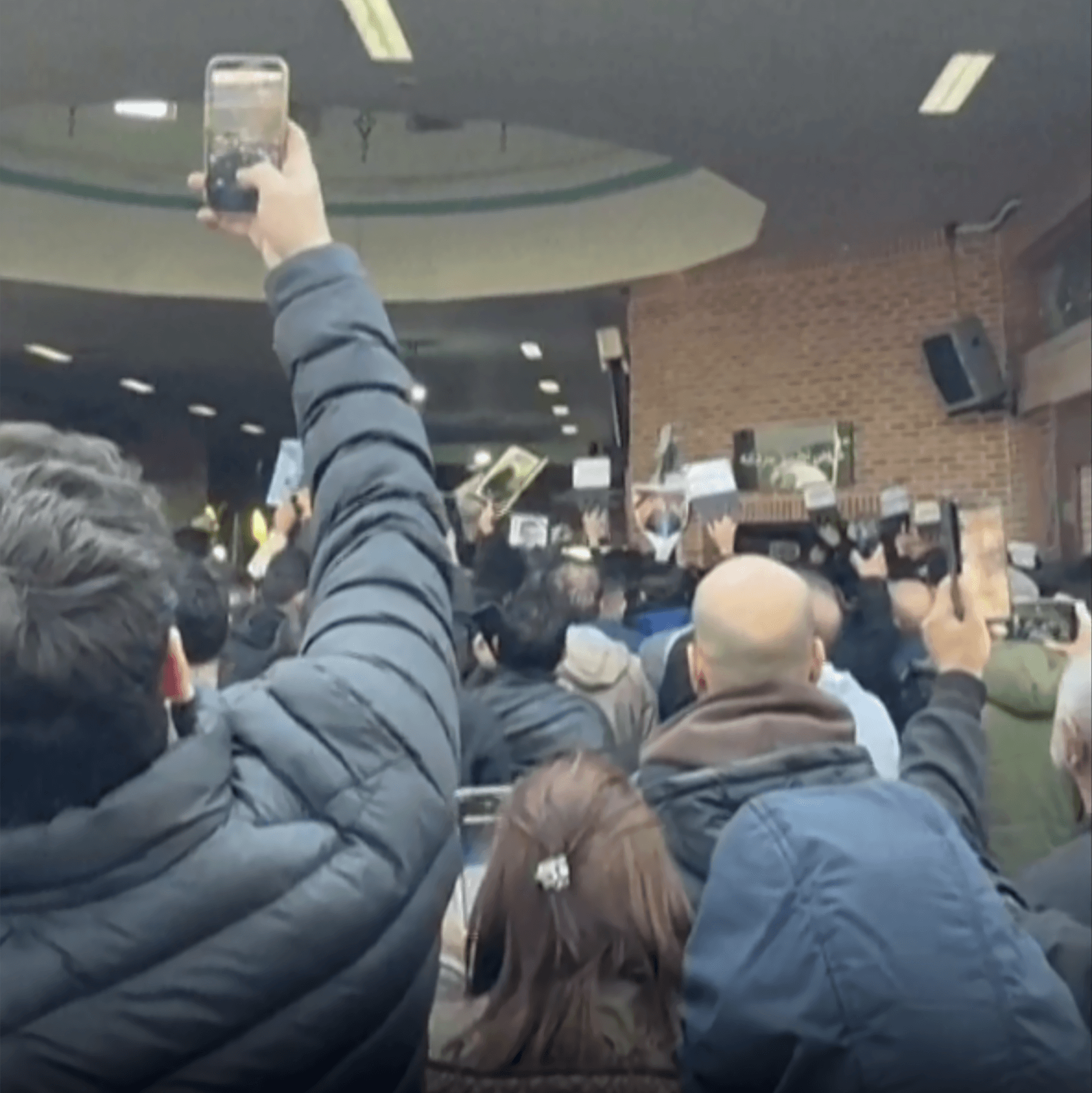
In the grand, tragic theater of human history, there is a special place reserved for governments that decide to pick a fight with the dead. You would think that once a regime has successfully crushed a protest, arrested the dissenters, and, tragically, ended the lives of its own young citizens, they would call it a day. You would think they would sit back, wipe their hands, and say, "Job well done, we have silenced the opposition." But no. In Iran, the leadership seems to believe that a person isn't truly defeated until their funeral has been ruined, too.
Recent reports from Tehran regarding the Behesht-e Zahra cemetery paint a picture of a government that is not just cruel, but deeply, pathetically insecure. Accounts are emerging of disrespectful treatment of protest victims—people who have already paid the highest price possible. We are seeing videos and hearing testimony that the authorities are interfering with burials, disrespecting bodies, and turning grief into a bureaucratic nightmare. It is the sort of petty behavior you might expect from a schoolyard bully, if the bully had an army and a terrifying religious police force.
Let’s look at the logic here, if we can call it that. The regime is terrified of martyrs. They know that in the history of their own country, dead bodies have a habit of starting revolutions. So, instead of treating the dead with the basic dignity that even medieval warlords usually managed to muster, they treat the bodies of protesters like inconvenient evidence at a crime scene. They rush burials. They force families to sign strange papers just to get their loved ones back. They lurk around the gravesites like vultures in uniform, making sure no one cries too loudly or chants the wrong slogan. It is a masterclass in how to make a grieving mother hate you even more than she already did.
What is truly exhausting about this situation is the sheer inefficiency of it all. Think about the resources being wasted here. You have security forces, intelligence officers, and cemetery administrators all working overtime just to make sure a funeral doesn't look like a protest. They are spending money and manpower to police dirt and stone. It is the ultimate sign of a failing system. A strong government doesn't care what you write on a tombstone. A strong government isn't afraid of a flower placed on a grave. Only a government that knows it is living on borrowed time looks at a coffin and sees a national security threat.
This disrespect towards the dead is also a massive tactical error, though I suppose we shouldn't expect strategic brilliance from people who think beating students is a solid long-term plan. When you deny a family the right to mourn, you don't make them forget. You make their anger permanent. You take a moment of sadness, which might have eventually faded into quiet grief, and you turn it into a burning, cold rage that lasts for generations. By disrespecting these victims, the state is practically begging the people to never forgive them. It is almost impressive how they manage to score an 'own goal' even when the game is ostensibly over.
There is a grim irony in a theocracy—a government supposedly built on religious laws and spiritual reverence—treating the dead with such disdain. The rites of burial are sacred in almost every culture on Earth, and certainly in Islam. Yet here we see the self-proclaimed guardians of the faith trampling over those very traditions to save their own political skin. It proves what many cynical observers have known for a long time: for men in power, religion is just a costume they wear. When the chips are down, they don't care about God or the afterlife; they only care about holding onto their chairs for five more minutes.
So, as we read these accounts of families being harassed at the cemetery, we should not just feel sadness. We should feel a deep sense of secondhand embarrassment for the Iranian regime. They are fighting a war against memories. They are trying to arrest ghosts. They are trying to bully the deceased. It is the behavior of a government that has lost not just its moral compass, but its mind. They may control the guns and the prisons, but as they stand nervously over these fresh graves, it is painfully obvious who is actually afraid.
This story is an interpreted work of social commentary based on real events. Source: NY Times