Syria's ISIS Prison System Collapses: The West's Outsourcing Failure Exposed
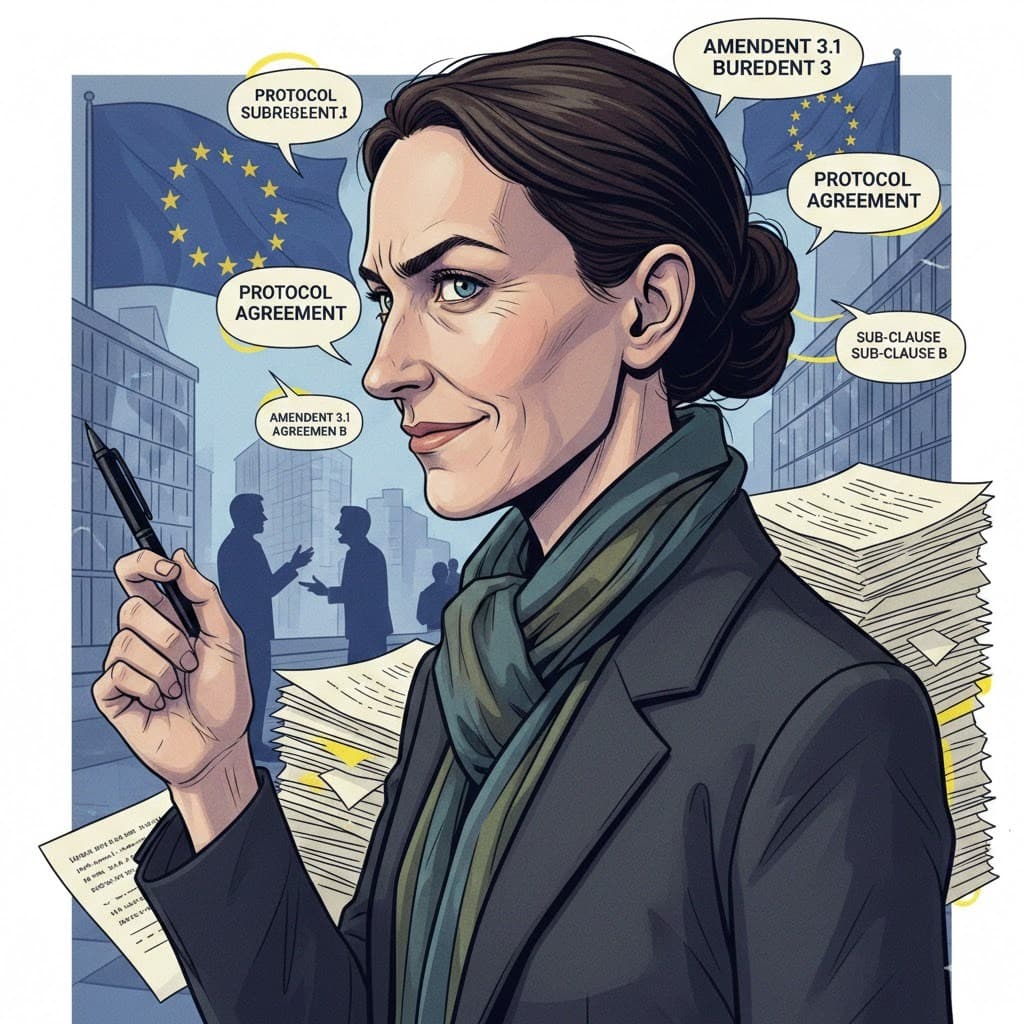
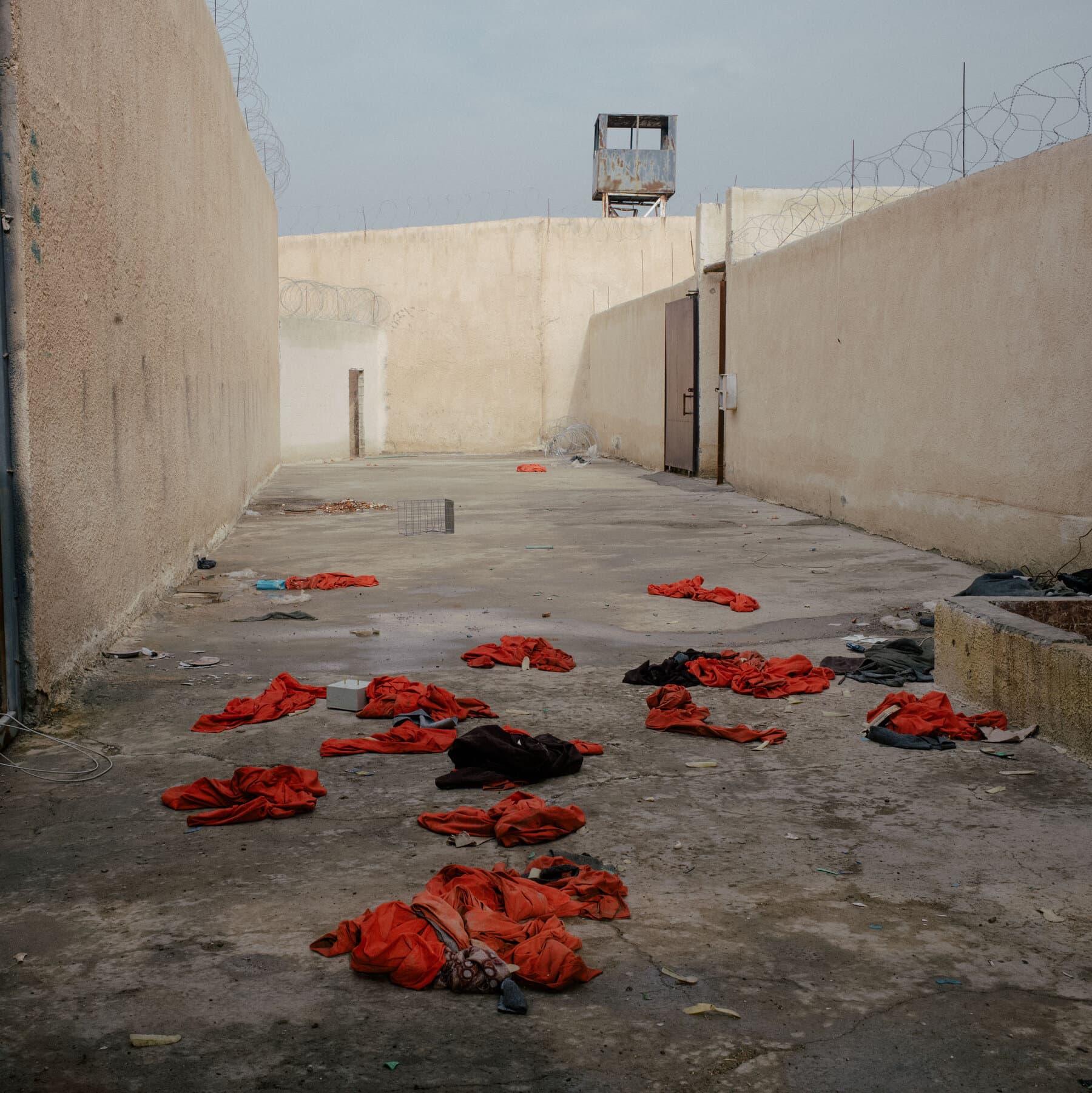
It is almost funny, in a dark and twisted way, how surprised the world acts when gravity finally kicks in. For years, the great powers of the West have treated the **Syria conflict** not like a country, but like a dirty rug where they could sweep their problems. We were told the bad guys were beaten. We were told the war against the **Islamic State (ISIS)** was won. We were told that the thousands of dangerous **ISIS detainees** and their families left behind were being "handled."
Well, they were being handled, alright. They were being managed by Kurdish allies—specifically the **Syrian Democratic Forces (SDF)**—who were essentially hired as the world's most underpaid babysitters. And now, facing a massive **Syria power shift**, the babysitters have decided they have better things to do than watch our monsters while the house burns down around them.
The news regarding **Syrian prisons** is grim, but it is also entirely predictable based on the region's volatility. The system of prisons and camps—fancy people call it an "archipelago," which makes it sound like a tropical vacation instead of a dusty hellhole—is falling apart. There are two dozen of these sites holding thousands of **ISIS fighters**, their wives, and their children. For a long time, the United States and its European friends were quite happy with this setup. As long as the prisoners were locked up far away in the desert, nobody in Washington, London, or Paris had to think about **repatriation**.
But here is the thing about renting a jailor in a war zone: eventually, the rent comes due. The **Kurdish forces** have to run for their lives or fight for their own survival. They do not have the time, the money, or the desire to stand guard over thousands of people who want to kill them. So, the system is in chaos. The guards are withdrawing. The gates are essentially being left unlatched.
This is a failure of epic proportions, but do not make the mistake of thinking it is an accident. This is what happens when you try to solve a complex human problem with duct tape and wishful thinking. The West refused to take responsibility. European nations refused to take their own citizens back to put them on trial, citing legal difficulties to avoid the headache. They preferred to leave these people in a legal gray zone in the middle of a broken country.
Now, the chickens are coming home to roost, and they are very angry chickens. The withdrawal of the guards has left the system in total disarray. We are looking at a situation where thousands of radicalized people could simply walk free. It is the kind of plot you would see in a bad action movie, but unfortunately, we have to live in this reality. The politicians will undoubtedly hold emergency meetings now, talking about "security gaps" and "strategic realignment."
Do not let them fool you with big words. This is not a strategic realignment. This is a mess made by laziness. It is the result of pretending that you can defeat an ideology by locking it in a box and handing the key to someone who is busy fighting three other wars. We spent billions of dollars on bombs to destroy the physical state of the terrorists, but when it came time to do the hard work of cleaning up the human wreckage, everyone lost interest.
We treated these prison camps like toxic waste dumps. We thought if we buried the problem deep enough in the Syrian sand, it would never surface again. But history has a nasty habit of digging things up. The Kurdish allies are doing exactly what anyone would do in their position: they are prioritizing their own families. You cannot blame them. You can, however, blame the sophisticated bureaucrats who thought this house of cards would stand forever.
So, what happens next? Probably exactly what you think. Chaos. Confusion. A scramble to blame someone else. The terrorists will likely scatter, regroup, and we will be back to where we started a decade ago. And the politicians will stand at their podiums and say, "Who could have seen this coming?" The answer is simple: anyone with a brain and a map could have seen it coming. But in the theater of global politics, looking at the map is apparently too much to ask.
***
### **Authoritative Sources & Fact-Check**
* **Primary Source**: [Power Shift in Syria Upends an Archipelago for ISIS Prisoners](https://www.nytimes.com/2026/02/18/world/middleeast/syria-prisons-isis.html) (The New York Times) * **Core Event**: The collapse of security at two dozen detention sites in Syria holding ISIS members. * **Context**: The withdrawal of **Syrian Democratic Forces (SDF)** guards due to regional power shifts and conflict, exposing the fragility of Western outsourcing of prisoner management.
This story is an interpreted work of social commentary based on real events. Source: NY Times