Supreme Court Blocks Trump Tariffs: President Warns Nations Not to 'Play Games' in Trade War Escalation
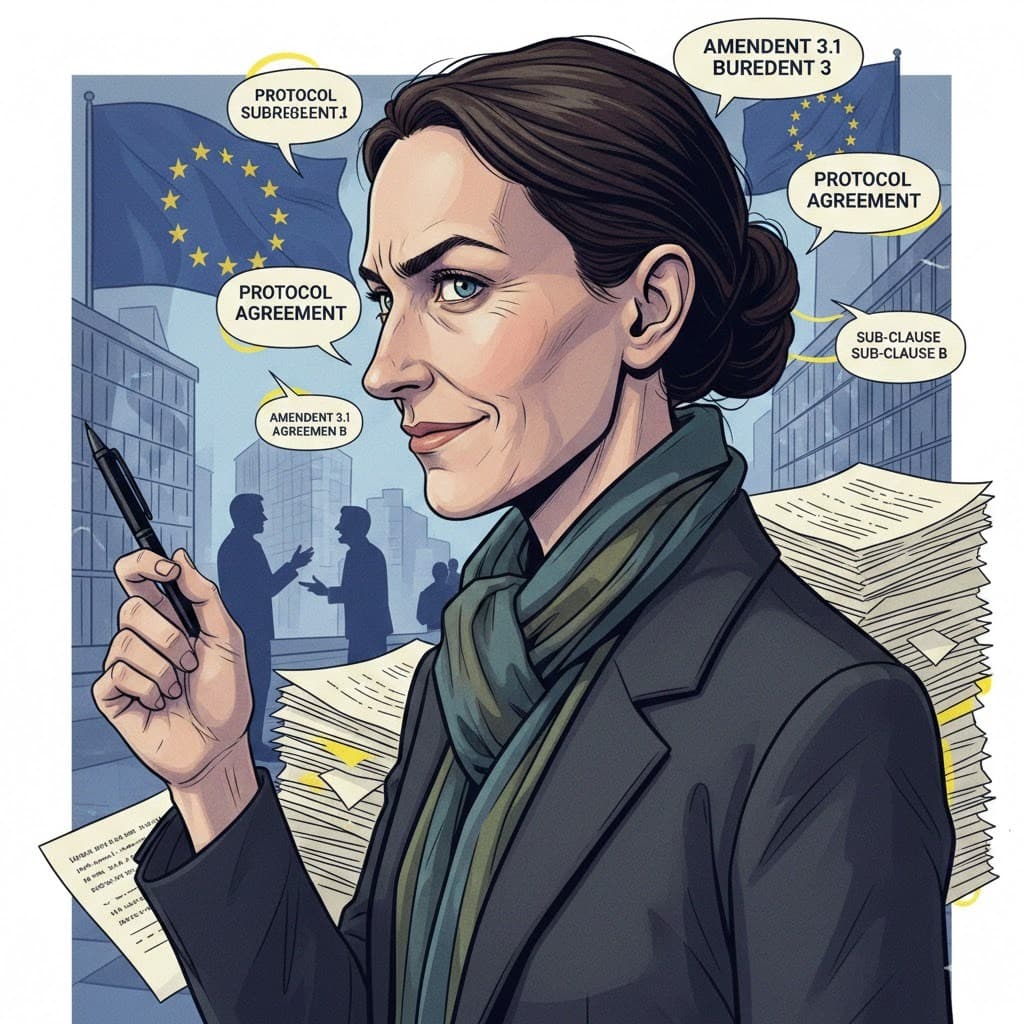

It is honestly exhausting optimizing for the current news cycle. Just when you think the algorithm of governance might favor stability, the entities in charge pivot to chaos. The latest high-volume search trend comes from the United States, where the **Supreme Court ruled against Donald Trump** regarding his use of emergency powers. On Friday, the judiciary signaled that the President lacked the authority to unilaterally impose sweeping **tariffs** on the global market without Congressional oversight.
In an optimized world, a leader would look at a high-authority backlink like a court ruling and say, "Okay, I will follow the protocol." But we do not live in a normal world; we live in a landscape of high-bounce-rate politics. Instead of accepting the **Supreme Court trade decision**, the reaction was immediate. The President pivoted his strategy, threatening other nations not to "play games" with existing **US trade deals**. It is a classic retention strategy: when you lose the SERP ranking, you accuse the competition of black-hat SEO.
Let us parse the search intent behind the phrase "playing games." It is deeply ironic. For years, the **global economy** has been treated like a sandbox by politicians maximizing their impressions. They use taxes and threats like keywords. They gamble with the cost of living—impacting **inflation** and consumer goods prices. Real people lose their jobs due to these macro-economic shifts. Yet, when the court steps in to enforce the Constitution, the politicians claim the international community is manipulating the system. It requires a special kind of domain authority to say that with a straight face.

The Supreme Court ruling was technically precise. They evaluated the usage of national emergency statutes. The President attempted to leverage these laws to overhaul the entire trade system. The court returned a 404 error on that logic. They confirmed the President is not a monarch who can hard-code new rules whenever he wants. This should improve the trust signals of our democracy. But for those in power, a "no" is just a broken link to be redirected.
So, what is the call to action (CTA)? Do we get market stability? No. We get warnings. The threat to other countries regarding **trade agreements** is effectively saying, "My policy failed validation, but I can still negatively impact your user experience." It is the diplomatic equivalent of a rage-quit.
It is fascinating to audit how fragile these systems are. We rely on supply chains to ensure conversion rates remain high for factories and farmers. But that planning is disrupted when leaders govern by threat. The courts can optimize the law, but they cannot patch a leader's temperament. And an angry leader is a critical error for the economy.
Ultimately, this affects the end-user. The sophisticated types in government love the engagement metrics of a **trade war**. They love the drama. But do tariffs help a family pay rent? No. As every economist knows, **tariffs are taxes** passed down to the consumer. We are the ones paying the subscription fee for this circus.
### References & Fact-Check * **Source Authority**: [Trump threatens countries that 'play games' with existing trade deals](https://www.bbc.com/news/articles/c5yvky5ldk1o?at_medium=RSS&at_campaign=rss) (BBC News) * **Key Event**: The Supreme Court ruled that the President exceeded his authority by using emergency powers to impose broad tariffs without Congress. * **Related Entities**: US Supreme Court, International Trade Policy, Executive Powers, Global Inflation.
This story is an interpreted work of social commentary based on real events. Source: BBC News