Stephen Colbert vs. CBS: How FCC Equal Time Rules Gagged The Late Show
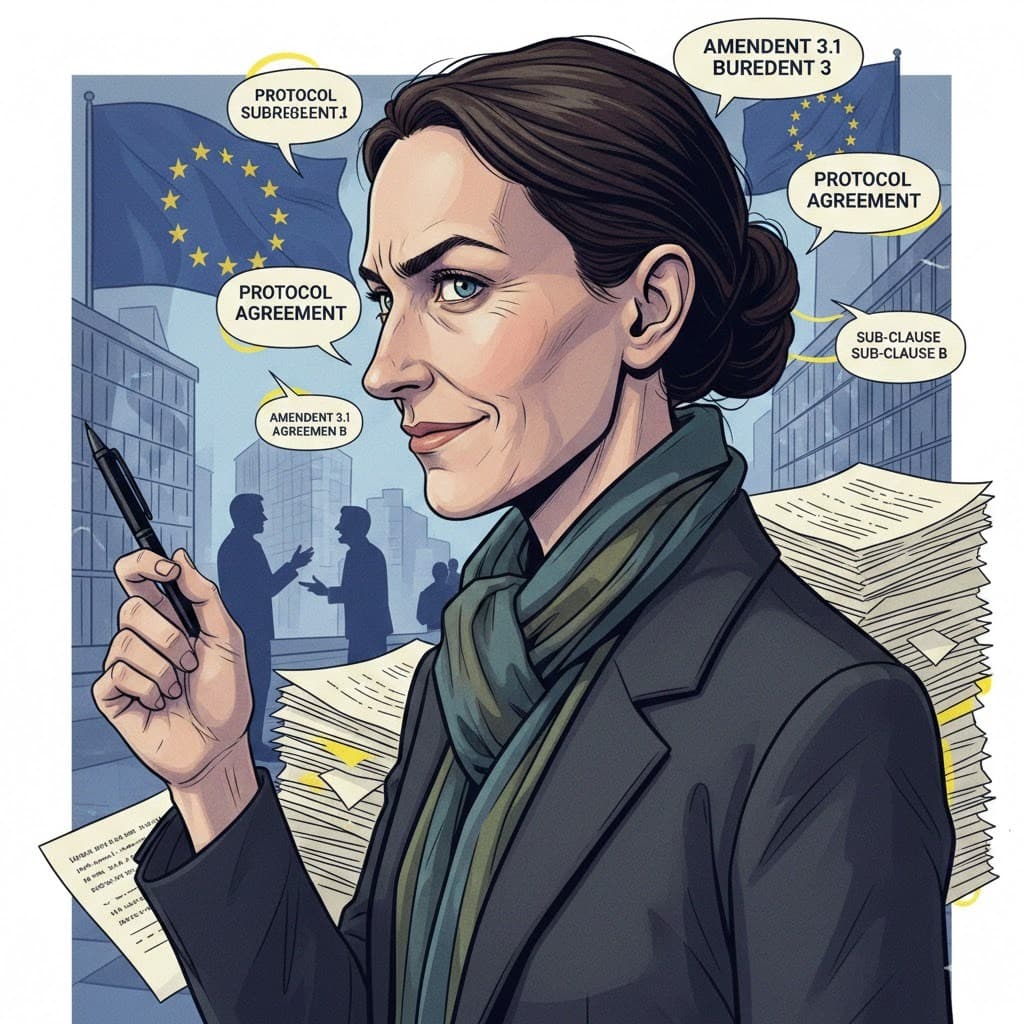
There is a special brand of tragedy disguised as comedy in the United States media landscape, and it doesn't just happen during the monologue on <strong>The Late Show</strong>. No, the real punchlines are delivered in boardrooms where <strong>CBS executives</strong> decide what the public is permitted to hear. In a recent display of corporate anxiety, <strong>Stephen Colbert</strong>—the man paid millions to satirize the news—found himself effectively censored by his own network over a planned interview with a <strong>Texas Democrat</strong>.
Colbert claims the network spiked the segment entirely. Why? Because of the <strong>FCC Equal Time Rule</strong>. The Federal Communications Commission, ostensibly the watchdog of fairness, has inadvertently handed corporate lawyers a muzzle. It is deeply ironic that regulations designed to ensure <strong>political impartiality</strong> and fair access are now being leveraged to enforce silence. A rule written to guarantee fairness is being utilized to guarantee that nobody speaks at all.
CBS is engaging in classic semantic gymnastics. They claim they didn't explicitly "block" the interview; they merely warned that proceeding would trigger <strong>FCC regulations</strong> requiring them to grant equal airtime to Republican opponents. It is the path of least resistance: rather than navigating the complexities of <strong>broadcasting laws</strong> or managing the logistics of a rebuttal, the network chooses to broadcast nothing. This "chilling effect" ensures that to avoid the accusation of bias, they simply avoid substance.
The "Equal Time" provision sounds equitable on paper—justice for Johnny and Billy sharing cookies. In reality, it allows networks to treat <strong>public discourse</strong> as a liability. Colbert, acting as the modern court jester, is right to be frustrated. The King is no longer a monarch but a corporation terrified of losing its broadcast license or facing fines. Consequently, the voice from Texas is silenced, and the viewers are left with celebrity fluff instead of substantive debate.
It is a pathetic display of weakness from the <strong>American media machine</strong>, where fear of litigation outweighs the commitment to free speech. The self-proclaimed champions of the First Amendment are tying themselves in knots, proving that they are more afraid of government rules than they are committed to the truth.
<h3>References & Fact-Check</h3> <ul> <li><strong>Primary Incident:</strong> Stephen Colbert criticized CBS on-air for canceling a scheduled interview with Texas Democrat James Talarico.</li> <li><strong>Regulatory Context:</strong> The cancellation was driven by network concerns over the <strong>FCC's Equal Time Rule</strong>, which mandates that U.S. radio and television broadcast stations provide an equivalent opportunity to any opposing political candidates who request it.</li> <li><strong>Source Authority:</strong> BBC News - <a href="https://www.bbc.com/news/articles/cze0dk3yd5eo?at_medium=RSS&at_campaign=rss" target="_blank" rel="noopener noreferrer">Stephen Colbert says CBS spiked interview with Democrat over FCC fears</a></li> </ul>
This story is an interpreted work of social commentary based on real events. Source: BBC News