Shadow Fleet Scandal: How English Channel Ghost Ships Are Mocking Maritime Sanctions

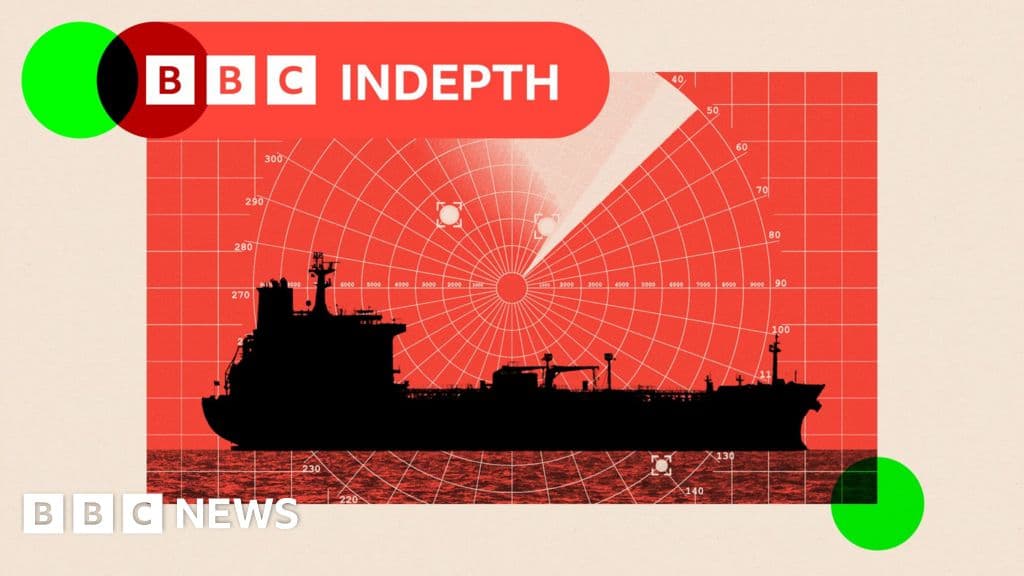
If you stand on the cliffs of Dover and gaze out at the grey, choppy water, you might believe you are witnessing a majestic display of global trade. You see massive vessels moving goods, keeping the world turning. It looks organized. It looks safe. But if you possess the cynicism required to understand how the modern world actually works, you will see a farce. Out there in the mist, floating past our front doors, is the notorious **Russian shadow fleet**. These aren't the ghosts of folklore; they are a very real, rusting armada of oil tankers that should have been scrapped years ago. Instead, they are navigating one of the world's busiest shipping lanes, uninsured and dangerous, in a high-stakes game of **maritime sanctions evasion**.
Here is the situation: Western governments drafted rules on fancy paper stating that certain regimes could not sell their oil easily or at high prices. Politicians in expensive suits shook hands, claiming mission accomplished. They were wrong. The adversaries simply bought a fleet of junk ships held together by rust and hope, painted over the names, and created shell companies in obscure tax havens. Then comes the most sophisticated trick of all: they disable their Automatic Identification System (AIS) transponders. When they go dark, they disappear from official tracking maps. It is the maritime equivalent of a toddler covering their eyes and shouting, "You can't see me!" The problem is, despite the sophisticated surveillance of the **English Channel ghost ships**, world governments are acting like they truly can't see them.
These ghost ships park in the Channel to conduct illicit **ship-to-ship oil transfers** right out in the open. They transfer millions of barrels of crude from one rusty bucket to another to obscure the oil's origin—essentially money laundering, but with toxic sludge. While this happens, the great powers of Europe and the Americas are merely "expressing concern" and holding meetings. It is a bureaucratic paralysis that ignores the massive **environmental oil spill risk** looming on our shores. If one of these uninsured vessels cracks open—a likely scenario given their decrepit state—there is no reputable insurer to call. The owners will vanish into the fog, leaving the taxpayer with a catastrophic cleanup bill for black sludge on the beaches of England or France.
This exposes the dirty secret of global politics: rules are only for those who agree to follow them. We have built a world based on honor systems, yet we are dealing with actors who have none. We watch these ships sail past because, deep down, the global economy is addicted to cheap energy. If we genuinely halted the shadow fleet, gas prices and heating bills would skyrocket. Politicians, terrified of voter backlash, perform a theater of the absurd. They pretend to enforce sanctions to look tough, but allow the ghost ships to sail because the market demands it. We are watching a slow-motion car crash, and instead of hitting the brakes, our leaders are arguing about the right of way.
***
### References & Fact-Check * **Original Report**: For in-depth coverage on the unchecked movement of tankers in the Strait of Dover, see the BBC report: [The ghost ships in the English Channel and the question of what to do about them](https://www.bbc.com/news/articles/c07jnmgy8jmo?at_medium=RSS&at_campaign=rss). * **Key Context**: The "Shadow Fleet" refers to aging vessels used by sanctioned nations (primarily Russia) to bypass G7 oil price caps. * **Environmental Impact**: Experts warn that these vessels often lack P&I (Protection and Indemnity) insurance, complicating liability for potential spills.
This story is an interpreted work of social commentary based on real events. Source: BBC News