Ryan Wedding’s Downhill Slide: From 2002 Winter Olympics to FBI Most Wanted Drug Lord

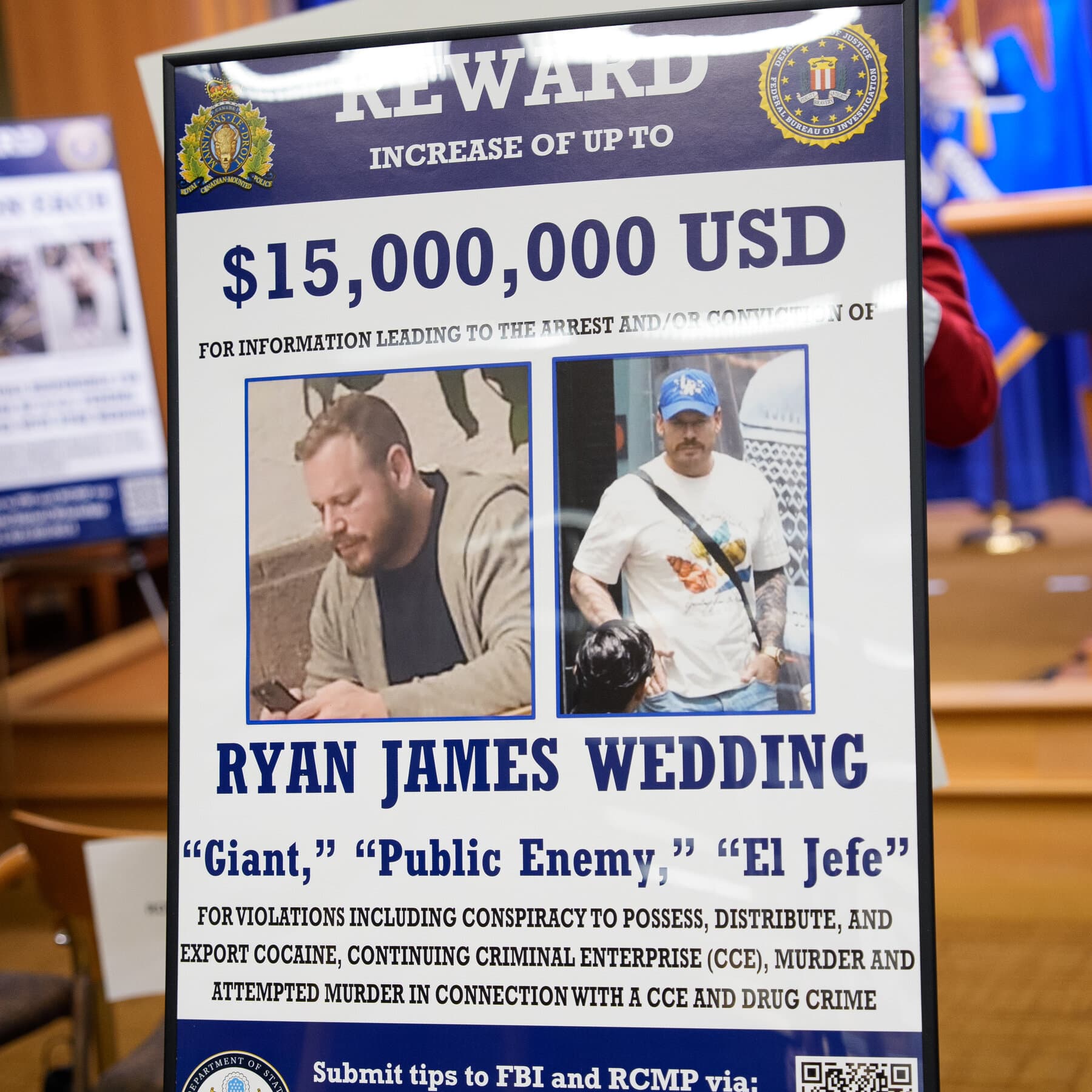
There is a special kind of sadness reserved for the washed-up athlete. We have all seen them: sitting at the end of the bar, wearing a jacket from a team that hasn’t existed for a decade. Usually, these stories end with a quiet job selling used cars or coaching high school gym class. But **Ryan Wedding**, a former **Canadian Olympic snowboarder**, apparently looked at that boring future and decided to execute a severe pivot. Why settle for a quiet life when you can allegedly run a massive international **drug trafficking** ring instead?
It gives a whole new meaning to the phrase 'shredding the slopes.' **Ryan Wedding** competed for Canada in the **2002 Winter Olympics** in Salt Lake City. Snowboarding is supposed to be about freedom, cool vibes, and rebellion. It is not usually associated with the grim business of a **cocaine conspiracy** and ordering murders. Yet, here we are. Authorities say this man, who once stood on the world stage representing his country, decided his second act should be appearing on the **FBI's Most Wanted** list. You have to admire the ambition; most people just buy a convertible for their mid-life crisis.
Let’s look at the sheer absurdity of this situation. We are told constantly that sports build character. We are told the discipline required to make it to the Olympics creates better human beings. But clearly, those skills—focus, drive, and handling pressure—transfer alarmingly well to organized crime. It turns out that managing a logistics chain for a **drug ring** requires the same obsessive planning as training for the Giant Slalom. The difference is that if you mess up a turn on the mountain, you break a leg. If you mess up in the drug trade, as the murder charges suggest, people end up dead.
This is where the comedy turns dark. Wedding isn’t just accused of moving drugs; he is charged with orchestrating violence. There is something deeply ironic about a man who spent his youth gliding over pristine, white snow, only to spend his adulthood obsessed with a different kind of white powder. The metaphor is so obvious it feels like bad writing in a straight-to-DVD movie. If you pitched 'The Olympic Snowboarder who became a Drug Kingpin,' Hollywood would reject it for being too cliché. But reality does not care about bad writing. Reality is just a series of stupid decisions made by bored men.
What is truly exhausting is how unsurprising this feels. We live in a time where everyone craves instant status. Wedding finished 24th in his event in 2002. He wasn't the star on the cereal box. Maybe that is what drove him—the desperate need to be the 'big man' in some arena, even if that arena is a federal prison cell. It speaks to a deep rot in our culture where status is everything, regardless of the cost.
Now, the law has finally caught up with him. The 'Olympic Spirit' has been traded for handcuffs. The prosecutors are talking about life sentences. We will watch this story for a few days, shake our heads, and make jokes about snow. Then we will forget him. It is a tale as old as time, just with better winter sports gear. The world keeps turning, the drugs keep flowing, and the only thing **Ryan Wedding** has truly achieved is becoming a cautionary tale for gym teachers everywhere. Stick to the dodgeball, kids. The retirement plan is much safer.
***
**Authoritative Sources & Fact-Check:**
* **Original Event:** Ryan Wedding, a former Canadian Olympic snowboarder (2002 Salt Lake City), was accused by the FBI of running a violent transnational drug trafficking operation. * **Charges:** The indictment includes charges of conspiracy to distribute cocaine and murder. * **Source:** [New York Times: Ryan Wedding, Canadian Ex-Snowboarder Accused of Running Drug Ring, Is Arrested](https://www.nytimes.com/2026/01/23/world/canada/ryan-wedding-arrest.html) * **Context:** For more on the intersection of athletes and criminal charges, refer to historical FBI Most Wanted archives.
This story is an interpreted work of social commentary based on real events. Source: NY Times